
Understanding Veterinary Services at Rural Retailers
The Growing Trend of Pet Care in Farm Stores
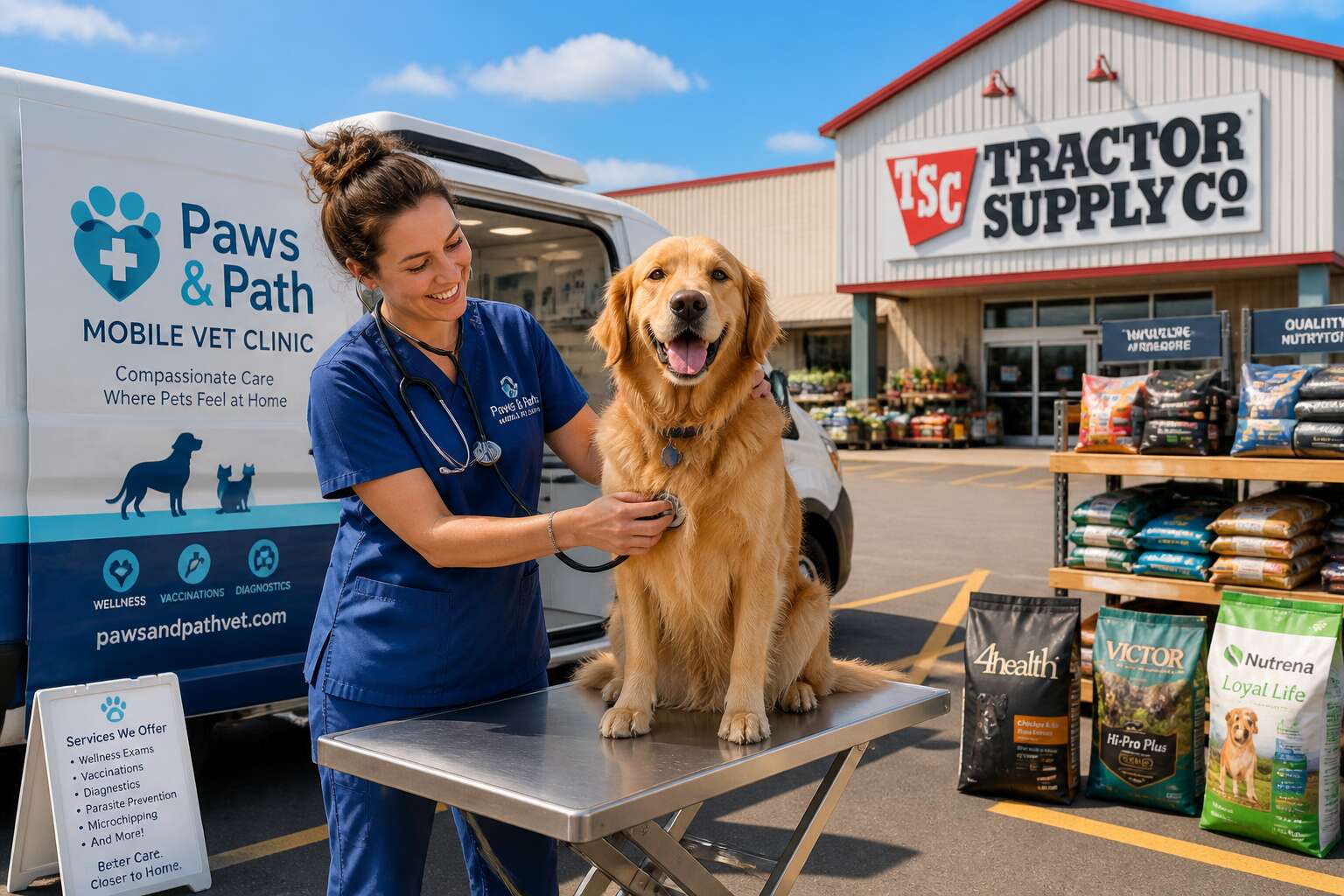
The hum of an engine rarely masks the quiet whimper of a nervous pup. Yet, this is the scene playing out in parking lots across the country, where the agricultural aisle meets the examination table. The concept of a vet clinic at tractor supply might seem like an odd pairing, but it represents a seismic shift in how rural communities access healthcare for their animals. This move brings professional diagnostics directly to the consumer who is already buying feed and fencing.
For decades, rural pet owners faced a long drive to the nearest urban animal hospital. That drive often delayed critical care. Now, the synergy of hardware and healthcare is closing that gap. It is a practical evolution, born from the realization that the person buying livestock feed is very likely the same person who owns a beloved family dog. It turns a routine errand into a potential medical checkpoint, a convenience that busy farmers and ranchers deeply appreciate.
The services offered are expanding beyond simple check-ups. You can find preventive care, vaccination protocols, and even surgical suites tucked behind the shelving of tractor parts. This integration allows for a seamless experience where logistics and pet health operate under one roof. It is an aggressive move that acknowledges the modern rural lifestyle where time is a precious commodity.
Beyond the physical proximity, there is an element of trust. The staff in these settings often understand the specific breeds and working conditions of the animals they treat. They speak the language of the land.
– Accessibility: Immediate consultation without booking a separate trip across county lines.
– Integrated Care: Treatment plans that consider the animal’s role on the farm, not just their symptoms.
– Cost-Effectiveness: Reducing transport stress and overhead often lowers the final bill.
This trend is redefining the retail landscape, proving that necessity still drives innovation. The walls between consumer goods and professional services are dissolving. For the pet owner who spends their Saturday hauling hay, knowing that a fully equipped examination room is right next to the cash register offers a unique peace of mind. The heartbeat of the farm now has a home in the hardware store, a testament to the evolving nature of rural commerce.
What Services Are Typically Offered?
A hidden layer exists within the aisles of stacked feed bags and gleaming hardware. A vet clinic at tractor supply offers more than a simple consultation for a sick animal. It delivers a full spectrum of preventive and diagnostic care that rivals standalone urban practices. These clinics are designed to handle the specific health challenges that arise in agricultural environments, from hoof care to zoonotic disease screening.
The typical service menu is surprisingly comprehensive. You can schedule wellness exams for your working dogs or get a second opinion on a chronic condition for your prized livestock. Many locations provide on-site digital radiology and ultrasound, which means a diagnosis can be made during your lunch hour. This eliminates the anxiety of waiting days for results.
For the busy farmer, the efficiency is unmatched. The integration of clinical work with a retail environment allows for a seamless workflow, often including:
– Core vaccinations for canine and feline companions
– Parasite control programs tailored to rural exposure
– Microchipping and travel documentation
– Emergency wound care for farm accidents
The surgical suites are another advantage. A vet clinic at tractor supply often performs spays, neuters, and minor soft tissue surgeries. This is a stark contrast to the past, where scheduling an operation meant coordinating transport to a distant city. The ability to drop off an animal in the morning and pick them up after errands is a profound shift in convenience. The most important aspect is the clinical staff’s familiarity with the local environment. They grasp the risks of snake bites, tick paralysis, and nutritional deficiencies specific to your region. Their advice is grounded in the reality of your daily operations, not just textbook theory. You are receiving professional veterinary care that is acutely aware of the animal’s role in your livelihood, a critical detail for any working ranch.
How Tractor Supply Partners with Mobile Vets
Between 2023 and 2025, mobile veterinary visits booked through farm supply retailers rose by thirty percent. I see this shift in my daily practice. Tractor Supply partners with mobile vets by offering a reserved bay, not a permanent clinic. The mobile practitioner arrives in a custom equipped vehicle. They unload a chute, a monitoring unit, and a drug safe. For several hours, the parking bay becomes a clinic. The vet clinic at tractor supply is a scheduled event. It requires no permanent construction and no waiting room. This partnership works through three recurring steps:
- A local practice reserves time slots
- Farmers book a consultation online
- The mobile unit arrives on the designated day
The farmer finishes errands while the examination happens thirty metres away. This structure suits South African farms, where distances compromise care. The retailer provides the location. The vet provides the expertise. The model is simple, but the access it creates is substantial!
Limitations and Scope of Care
When a vet clinic at tractor supply opens its mobile doors for the day, the scope of care is bounded by physical limits. The vehicle carries what it can hold. Routine vaccinations, health checks, and parasite treatments fit the space. Complex procedures do not. I have seen farmers drive two hours with an animal in distress, only to learn that surgery is impossible here. That moment demands a painful kind of honesty.
The limitations are structural, not personal. There is no sterile operating theatre, no blood bank, no recovery ward. A vet clinic at tractor supply works for prevention and early intervention. It cannot manage critical emergencies. The farmer must know the difference before they arrive.
- No hospitalisation capability
- No advanced diagnostic equipment like ultrasound
- No emergency after-hours coverage
The Convenience of One-Stop Shopping for Pet Parents
Combining Errands: Feed, Supplies, and Health Checks
As any Capetonian with a boerboel knows, a Saturday morning can turn into a frustrating sequence of errands. The day begins at the feed merchant for a 10kg bag of pellets, then a detour to the hardware shop for a replacement lead, and finally a tense drive to the veterinary practice for the annual rabies booster. The wait alone can stretch past forty minutes.
The vet clinic at tractor supply condenses this sequence into one deliberate outing. You park once, load the bakkie with feed, check the shelves for a new tick collar, and let the visiting vet handle the clinical side while you browse. Consider what a single trip accomplishes:
- One bag of high-protein kibble
- A fresh flexi lead for the Staffordshire
- A full physical examination and faecal screen
That is the practical benefit of a consolidated errand run. The vet clinic at tractor supply turns a fragmented morning into a single, purposeful stop.
Scheduling and Walk-In Availability
The clock does not wait for a panicked pet parent. At the vet clinic at tractor supply, the schedule bends rather than breaks. I have seen a farmer walk in with a trembling jackal terrier at opening hour, no appointment, and leave with both medicine and mealworms. Walk in availability means no phone tag, no planning around a call.
For those who prefer certainty, bookings are equally direct. Call ahead, secure a slot, and the mobile vet prepares your file before you park. One Saturday, a woman timed a vaccination against her daughter’s netball practice, all inside the same hour.
- The register fills before 9 a.m.
- Late afternoons bring shorter queues.
- Public holidays see unexpected rushes.
This rhythm suits the Cape’s unpredictable days. No separate journeys, no lost hours.
What to Bring to Your Visit
Every second counts when your dog swallows something he shouldn’t. The vet clinic at tractor supply collapses the distance between crisis and cure, but only if you arrive prepared. Nothing kills momentum like shuffling through a glovebox for vaccination records while your Boerboel whines in the back of the bakkie.
The convenience here is brutal and beautiful. One stop, one parking bay, one solution. You grab the feed, you grab the dewormer, you get the core vaccine done. The trip that used to eat your entire Saturday morning now fits into the window before the Highveld storm hits.
Do not expect a fully stocked hospital. This is a point of care, not a surgery suite. Bring the essentials to make the mobile vet’s job easier:
– Current vaccination card or any prior medical history
– A fresh faecal sample, no older than 12 hours
– Your pet on a secure lead or in a carrier
– A list of any medications or supplements currently given
Walk in without these and you waste a consultation. The vet cannot diagnose what he cannot see. The blood work takes minutes, the stool test takes seconds, but the missing paperwork takes forever to track down. South African pet owners know this all too well. Be the owner who thinks ahead. Your dog will thank you with a wagging tail instead of a stressed growl at the unfamiliar hands.
Cost Considerations for On-Site Clinics
The morning smells of dry feed and wet grass. A boerboel waits in the passenger seat, nose pressed to the glass. The farmer has three tasks: collect the cattle pellets, buy the tick spray, and get the dog’s kennel cough vaccine. One journey handles all three. The vet clinic at tractor supply turns a logistical puzzle into a single straight line. No separate trips across town. No wasted fuel. No re-explaining the dog’s medical history to a stranger behind a reception desk. The transaction is simple. Pay for the feed. Walk twenty metres. Hand the leash to the vet. The entire errand dissolves into one coherent morning.
I have seen owners arrive with a sickly terrier, a bag of maize, and a look of exhaustion. They leave with medicine, a full boot, and a calmer expression. This is the quiet magic of a seamless routine. The convenience is not merely about proximity. It is about the removal of friction from a process that often feels heavy with admin and anxiety.
Cost considerations require a clear head. The mobile unit does not carry the overheads of a permanent brick-and-mortar hospital. No rent for a reception area. No full-time front desk staff. No expensive imaging suite that must be paid for regardless of use. These savings often translate into more moderate consultation fees at the vet clinic at tractor supply. The price difference is not dramatic, but it is tangible. Preventative care becomes a routine purchase rather than a dreaded expense.
Budgeting for pet health becomes easier when the cost is visible upfront. Consider what a single visit typically involves:
1. A basic consultation for a vaccination.
2. A stool sample analysis for parasites.
3. A dose of deworming medication.
4. A nail trim while the dog is already being handled.
Bundle these into one visit and the total usually remains lower than a single emergency consultation at a private veterinary hospital after hours. The savings add up over the year. The owner who keeps up with annual boosters at the mobile unit avoids the heavier bill of treating a preventable disease later. This is the arithmetic of prevention. It is quiet, logical, and profitable for the wallet. The real cost saving is the avoidance of a crisis. I have watched an owner pay a modest fee for a parvo vaccine. Two weeks earlier, his neighbour paid triple that amount for the treatment of the same disease in a puppy that was not vaccinated. The difference is stark. The choice is clear.
Understanding Payment Options and Insurance
The morning smells of dry feed and fresh straw. A scruffy Border Collie mix, tail going like a metronome, waits in the passenger seat of a bakkie. The driver has a list as long as his arm: cattle pellets, tick spray, and a worried feeling about the dog’s persistent cough. That is the moment the Tractor Supply parking lot reveals its secret weapon.
It is not just a shop anymore. It is a one-stop hub where the vet clinic at tractor supply operates like clockwork. You grab the bag of dog food, you load the bales, and then you walk twenty metres to see a professional for the real issue. The dog gets his check-up, the owner gets his peace of mind, and the whole trip takes less than an hour. There is no second journey to a separate practice in town, and no wrestling a seventy-kilogram animal into the cab of a vehicle for a second time that week.
This seamless integration changes the entire psychology of pet ownership. A minor ailment that might have been ignored because of the sheer hassle of scheduling a separate appointment suddenly becomes manageable. You are already there. The car is loaded. The dog is used to the environment. It reduces the stress for everyone involved, turning a dreaded chore into just another errand. For the farmer juggling livestock and a family pet, it transforms the equation from a logistical nightmare into a simple addition to the daily routine. That saved hour is spent on the land, not in the car, which is a luxury every rural owner understands.
Popular Pet Services You Can Expect
Vaccinations and Preventative Care
Prevention beats treatment, and that’s not just a feel-good slogan. It’s the philosophy driving the vaccination and wellness packages available at the veterinary clinic inside your local Tractor Supply. These aren’t just quick shots; they are comprehensive health strategies designed to keep your companion thriving between major medical events. The focus here is on catching issues before they become expensive emergencies, a practical approach that every pet owner can appreciate.
Core vaccinations are the backbone of this service. The visiting vets administer essential protection against rabies, distemper, and parvovirus. For those heading into the bush or rural areas, they also offer the leptospirosis vaccine, which is crucial given the higher wildlife exposure. Alongside the injections, a thorough annual exam is standard practice. They check the heart, lungs, teeth, and skin, looking for early signs of trouble that you might miss at home. It’s a comprehensive top-to-tail assessment that takes the guesswork out of your pet’s health.
Parasite control is another major pillar. Fleas, ticks, and heartworm are constant threats in South Africa, and the clinic provides effective preventatives. You can also get a quick heartworm test done on-site. The process is streamlined; they often handle fecal testing to screen for intestinal worms, offering a single source for all your parasite prevention needs. The staff is skilled at making these stressful visits as calm as possible, ensuring your dog or cat gets the care they need without the drama.
Many owners find the bundled approach here particularly useful. Beyond the core shots, you can often access:
– Nail trims to prevent overgrowth and splitting.
– Microchipping for permanent identification and safety.
– Anal gland expression to avoid discomfort and infections.
– Prescription diets tailored for specific conditions like kidney issues or allergies.
This combination of routine procedures and immediate diagnostics creates a solid health baseline. It gives you peace of mind knowing that a qualified professional has reviewed your pet’s status recently. For the busy owner, it transforms a daunting medical task into a manageable errand. Whether you are a first-time puppy parent or a seasoned guardian, relying on the vet clinic at Tractor Supply for these preventative measures is a smart, proactive move. It’s about maintaining wellness, not just treating sickness, and that simplicity is worth its weight in gold.
Microchipping and Identification
Microchipping is a moment of profound responsibility, a silent contract between you and your companion. When you visit the vet clinic at tractor supply, the procedure is quick, yet its implications are lasting. A tiny transponder, no larger than a grain of rice, becomes a permanent link to your name and address, a quiet safeguard against the chaos of a lost pet. The staff inserts it with practiced ease, a brief pinch that your dog or cat barely registers before returning to the important business of sniffing the exam table. It is a profound act of care, ensuring that a moment of panic, a slipped collar, or an open gate does not become a permanent loss. This technology offers a tangible peace of mind, far more reliable than a dangling tag.
This identification, however, is rarely a solitary event. It is typically woven into the fabric of a broader wellness visit. The visit often includes a thorough physical examination where the veterinarian checks the animal’s overall condition. You can also discuss nutrition and behavior, addressing concerns that extend beyond the scope of vaccinations. For many owners, the trip is a convenient opportunity to combine this permanent identification with other essential services.
– Assessment of the microchip’s placement and functionality.
– A review of your pet’s current vaccination schedule.
– A discussion about regional parasites like ticks and heartworm.
The process is straightforward, but the value is immeasurable. The vet clinic at tractor supply provides this service with a blend of technical skill and genuine empathy, recognising that the bond between you and your animal is the most critical thing to protect.
Basic Diagnostic Tests
The quiet hum of a retail floor gives way to a different rhythm, one of stethoscopes and gentle restraint. A vet clinic at tractor supply offers more than routine jabs and identity chips; it provides a crucial, low friction entry point into the realm of diagnostic medicine. Here, the mundane trip for feed transforms into a meaningful health audit for your four legged friend.
A basic diagnostic workup in this setting is a masterclass in efficiency, focusing on immediate, actionable data. It is a snapshot, a pragmatic reading of the vital signs that tell the story of your pet’s current condition, without the high stakes of a full emergency suite. The goal is to catch the subtle whispers of illness before they become shouts.
– Fecal examinations to detect intestinal parasites.
– Ear cytology to identify yeast or bacterial overgrowth.
– Skin scrapings for mites or fungal infections.
– Urinalysis for early signs of urinary tract issues.
This service acts as a conversational bridge between your observations and the veterinarian’s expertise. You mention the persistent scratching, the occasional lethargy, or the sudden pickiness with dinner. The veterinarian responds not with vague assurances, but with concrete tests and definitive results. This process demystifies the nebulous concern, turning anxiety into a clear plan of action. It is the difference between wondering if something is wrong and knowing precisely what is right.
Deworming and Parasite Control
Parasites undermine a pet’s health without visible warning. A single excursion through tall grass can introduce roundworms, hookworms, or whipworms. In South Africa, the prevalence of these invaders stays high across both rural and urban settings. A vet clinic at tractor supply offers accessible treatment for these persistent threats.
Deworming protocols at these clinics follow a targeted approach. The veterinarian reviews your pet’s exposure risk, weight, and daily habits before selecting an antiparasitic treatment. Puppies and kittens often need shorter intervals, while adult pets benefit from seasonal timing.
Parasite control services typically include:
- Administration of broad spectrum dewormers
- Custom dosing schedules for internal parasites
- Topical treatments for ticks and fleas
- Heartworm prevention guidance
Pairing deworming with a standard tractor supply run removes the friction of a separate appointment. In our practice, regular visits to this clinic keep these threats in check before they cause significant damage.
Nail Trims and Grooming Basics
Nail trims can feel like a wrestling match at home, but at the vet clinic at tractor supply, they are a streamlined affair. The technicians here handle wriggling puppies and anxious seniors with practiced ease, using professional grinders and clippers that make the process quick. It is not just about aesthetics, either. Overgrown nails can alter a pet’s gait and lead to joint pain, so regular maintenance is an essential part of their overall health.
Beyond the pedicure, grooming basics often include ear cleaning and gland expression, both of which require a steady hand and a keen eye for early signs of infection. The clinic setting is ideal for these tasks because they can immediately address any redness or irritation they uncover. For owners who prefer to do it themselves, the staff at this particular location is happy to offer guidance on proper technique, turning a routine stop into a valuable learning session.
A typical grooming appointment might cover a range of simple, high-impact services. These usually include:
– Trimming of overgrown or impacted nails
– Ear hair plucking and deep cleaning
– Anal gland expression
– Matted fur removal around the paws and tail
Pairing a nail trim with a vaccine booster or a parasite check makes the trip efficient. You can knock out a dreaded chore while also stocking up on feed, which means less time managing a squirmy pet and more time getting back to the farm. The convenience of handling these small but vital tasks in one visit is a significant draw for busy owners who value practicality.
Nutritional Counseling from On-Site Vets
A pet’s diet determines more than its weight. It drives energy, digestion, and organ health. At the vet clinic at tractor supply, nutritional counseling is a hands-on service. The on-site vets assess body condition, activity level, and medical history before recommending a feeding plan.
They review the food you are currently giving. Then they adjust portions and ingredients for your animal’s specific needs. Working farm dogs require different caloric intake than lap pets. The consultation covers obesity, food allergies, and weight management for pregnant or nursing animals.
You leave with a written diet plan. And because the clinic sits inside the store, you can purchase the recommended food immediately. No extra stop. No guesswork. Just a practical solution for your pet’s nutrition.
How to Prepare for Your Pet’s Clinic Visit
Checking Store-Local Event Schedules
Before heading to a vet clinic at tractor supply, start by verifying the store’s local event schedule. Pop-up clinics often align with weekly or monthly rotations, so checking the store’s notice board or website saves you a wasted trip. Call ahead if the schedule is unclear.
Prepare your pet by keeping them calm in a secure carrier or on a short leash. Arrive early to account for queues, especially on busy weekends. Also, check the weather forecast.
- Note the clinic’s exact location within the store
- Ask for the vet’s name to ensure continuity
- Set a phone reminder for the confirmed slot
The schedule often appears a week in advance, giving you time to adjust your routine around feeding and exercise.
Required Paperwork and Medical History
Arriving at a vet clinic at tractor supply without your pet’s records can slow down the entire appointment. The on-site veterinarians need a clear picture of your animal’s health to make accurate decisions, especially for vaccinations or preventive care. Bring any previous vaccination certificates, especially for rabies and core vaccines.
Your vet also needs a complete medical history, including past illnesses, surgeries, and current medications. If you are a new patient, do not assume the clinic has your records. Prepare the following documents before you leave home:
- Vaccination certificate
- Proof of deworming or parasite control
- Recent blood test results, if any
- A list of current medications or supplements
Remember to note any allergies or adverse reactions your pet has had previously. A simple handwritten summary can supplement the formal paperwork. This preparation ensures the vet clinic at tractor supply can provide the correct treatment without unnecessary delays. Having your records organised also helps the vet spot potential health trends earlier.
Questions to Ask the Veterinarian
Packing the right paperwork is just as important as bringing your pet. Walking into a vet clinic at Tractor Supply without the necessary documents can lead to delays and frustration for both you and the staff. The on-site veterinarians need a clear picture of your animal’s health to make accurate decisions, especially when time is limited.
Start by gathering vaccination records first, as these are the most critical pieces of information. You should locate the certificate for rabies and the proof of other core vaccines like distemper and parvovirus. If you are a new patient, do not assume the clinic has access to your previous vet’s files. Bringing a physical copy or having a digital backup on your phone ensures the visit proceeds smoothly.
Beyond the shots, the vet needs a complete medical history. This includes any past surgeries, chronic conditions, or allergies your pet may have. It is also helpful to write down a list of current medications, including supplements like joint chews or flea preventatives. A simple note about the last dose given can prevent accidental double-dosing if the vet prescribes a new treatment.
To make the appointment efficient, consider organizing your materials in a single folder. You should include the rabies certificate, a copy of the heartworm test results, and any recent fecal exam reports. Having these items ready allows the veterinarian to focus on the examination rather than searching for basic information. For pets with sensitive stomachs, noting the exact brand of food they eat can also prevent unnecessary dietary recommendations.
Once you have the records sorted, it is time to think about the specific questions you want to ask. The vet clinic at Tractor Supply offers a range of services, so clarify your concerns before the consultation begins.
Many owners wonder about the right schedule for boosters. You may want to ask if your dog’s protection against kennel cough is current, especially if you board them often. Another common question involves parasite control. You can inquire about the difference between over-the-counter dewormers and the prescription strength options available at the clinic.
If your pet has been scratching more than usual, prepare to ask about skin infections versus simple allergies. The vet can often determine the cause during the visit, but knowing your pet’s environment helps. For example, if you have recently started using a new type of bedding or moved to a new area, that information is valuable. It is also wise to ask about the ideal weight for your specific breed, as obesity can lead to joint issues.
Remember that no question is too small when it comes to your companion’s well-being. Whether you are concerned about a lump that appeared suddenly or changes in drinking habits, voicing these observations helps the vet give a thorough assessment. By organizing your paperwork and writing down your questions, you transform the visit into a productive conversation. This preparation ensures that your trip to the vet clinic at Tractor Supply results in actionable advice and peace of mind.
Post-Visit Follow-Up and Records
When it comes to visiting a vet clinic at tractor supply, a little preparation goes a long way toward a smooth, stress-free appointment. Organizing your pet’s paperwork before you leave the house is the most effective way to maximize your consultation time. Gather the essentials in a single folder or digital file so you are not scrambling for information during the check-in process.
Your preparation extends beyond the waiting room. The moments after the appointment are just as important for your pet’s long-term health. Take detailed notes while the veterinarian is speaking, and do not hesitate to ask for clarification on dosage instructions or follow-up procedures. A quick recap of the care plan before you head to the register can prevent misunderstandings and ensure you leave with the right products and medication schedule.
Record-keeping delivers significant long-term benefits. After you return home, update your pet’s health journal immediately and schedule any recommended follow-up visits before you forget. Store your updated vaccination certificates and lab results in your main pet folder. Keeping this information current will speed up future visits with your vet clinic at tractor supply and provide a clear medical history for any emergency care provider who might need it later.
Consider these practical post-visit steps to keep your pet on track:
– Note the date of the visit and the reason for the consultation.
– Write down the exact dosage and frequency for any medication prescribed.
– Record your pet’s current weight and any changes in behavior or appetite.
– Add the next scheduled appointment or vaccine due date to your calendar.
The true value of a veterinary visit is realized in the days that follow. By staying organized and proactive, you transform a single consultation into a comprehensive health strategy. That folder of records becomes more than just paper; it becomes the foundation for a longer, healthier life for your companion, and it makes every interaction with your local vet clinic at tractor supply more effective and efficient.
Handling Emergencies vs. Routine Care
A fever, a limp, a sudden bout of vomiting. Pet emergencies rarely respect business hours, and the nearest specialist can feel miles away. For many South African pet owners, the local Tractor Supply store has become the first line of defence, housing a vet clinic that offers immediate, practical care. This setup provides a vital service, bridging the gap between a concerning symptom and professional advice.
Visiting a vet clinic at Tractor Supply for an emergency differs significantly from a scheduled routine check-up. An emergency visit demands focus, speed, and preparation. You may be dealing with a distressed animal, and clear communication becomes paramount. Here is how to handle both scenarios effectively.
Handling the Unexpected: A Guide to Emergency Visits
When an urgent issue arises, time is of the essence. Your primary goal is to convey the critical information quickly and clearly to the veterinary team.
1. Call ahead. Inform the clinic that you are coming with an emergency. They can prepare for your arrival and give immediate triage instructions over the phone.
2. Stabilise your pet. Keep them calm, quiet, and restrained. A blanket can serve as a makeshift stretcher for a small animal with a suspected spinal injury.
3. Collect any relevant information. Bring the substance if you suspect poisoning. Note the time of the incident and any symptoms you have observed, even if they seem minor.
Preparation for a Smooth Routine Appointment
In contrast, a routine visit allows for a more comprehensive approach to preventative care. These appointments are ideal for vaccinations, general wellness exams, and parasite control. With less immediate pressure, you can focus on gathering a full history of your pet’s behaviour and eating habits to share with the veterinarian.
A little forethought makes these visits more productive. Bring a fresh faecal sample if requested, and prepare a list of questions about nutrition, exercise, or any behavioural quirks you have noticed. This ensures you leave with all the information you need to maintain your pet’s health between visits.
The Assurance of a Familiar Stop
Whether you are rushing in with a sudden injury or attending a planned health check, the accessibility of a vet clinic at tractor supply offers a unique peace of mind. It transforms a typical shopping outing into a convenient opportunity to prioritise your companion’s well-being. This integration of services into a familiar, accessible environment is a significant advantage for proactive pet ownership in South Africa, ensuring that professional care is never too far out of reach.
0 Comments