
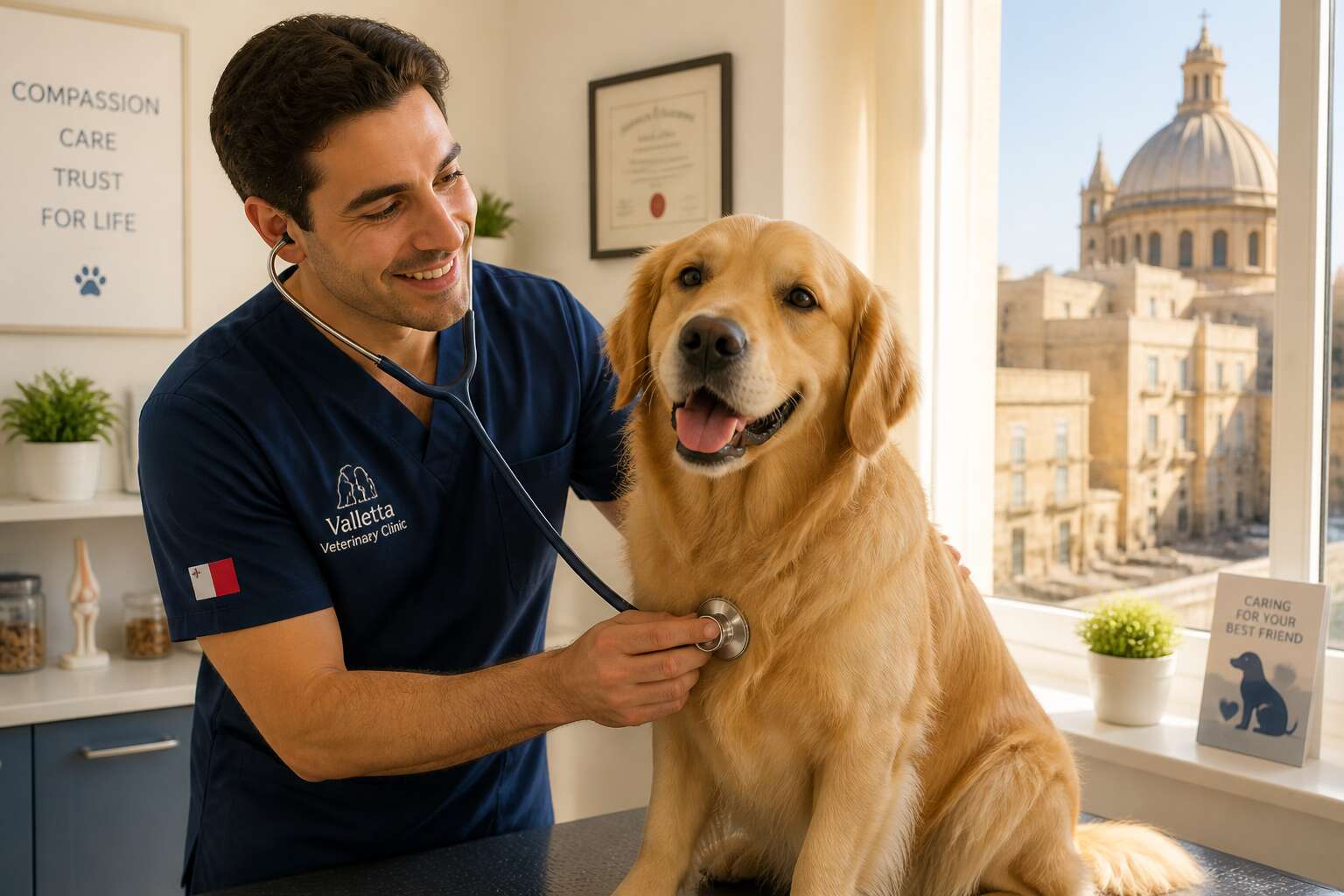
Choosing the Right Veterinary Clinic in Malta
Factors to Consider When Selecting a Clinic
Nearly 60% of Maltese households share their homes with a pet, yet choosing where to seek veterinary services Malta remains a decision many owners rush. The right clinic makes a difference in how quickly your animal recovers and how comfortable you feel asking questions.
Location matters. A clinic close to home helps during an emergency, but distance should not override competence. When comparing veterinary services Malta, check the facilities before you commit. Look for clean examination rooms, modern diagnostic tools, and a team willing to explain their findings without rushing.
- Are emergency slots available outside normal hours?
- Does the practice offer in-house blood work and imaging?
- Do vets have experience with your specific breed?
A clinic that values communication will follow up after treatment, which reduces your stress and improves outcomes. Trust what you observe during your first visit; it tells you more than any brochure.
Accreditation and Veterinarian Qualifications
Accreditation separates a dependable practice from a gamble. In Malta, the Veterinary Council maintains a public register of licensed professionals, and checking it takes two minutes. I have learned that a qualified veterinarian holds a recognised degree from an accredited institution and must complete continuing professional development to remain registered.
- Confirm the clinic’s registration with the Maltese Veterinary Council.
- Ask about the lead vet’s postgraduate training and special interests.
- Check whether support staff hold formal veterinary nursing qualifications.
When you compare veterinary services Malta, ask who performs surgery, who reads the radiographs, and who handles anaesthesia. The veterinary services Malta market spans older established clinics and newer practices, so accreditation offers a reliable baseline. A team that openly discusses its credentials signals genuine confidence in its work.
Location and Accessibility Across the Islands
Let me put it plainly: in an archipelago where a fifteen minute drive can feel like a cross country expedition, the geography of your vet’s door matters. Malta’s urban hubs like Sliema and Valletta create different access challenges than Gozo’s quieter roads. Comino has no permanent veterinary presence, so residents rely on ferry trips for everything, including veterinary services Malta.
Consider these practical points when mapping your route:
- Parking proximity in congested town centres
- Bus routes and ferry schedules if you don’t drive
- Weekend and after hours emergency access
I once drove from Rabat to Birkirkara during rush hour with an anxious cat, and those forty minutes felt eternal. A clinic near your workplace or usual errands can matter as much as its surgical suite. Some practices offer mobile visits, which changes the calculus for rural farm owners. The physical journey to a vet is part of the treatment itself.
Range of Services and Equipment
Step into a Maltese clinic and the first clue is the equipment. A practice that treats exotic birds alongside domestic cats reveals its versatility through the instruments on display. Ultrasound machines and digital radiography are no longer luxuries; they are baseline expectations for modern veterinary services Malta.
Some clinics specialise in orthopaedic surgery, others in dermatology, and a few offer physiotherapy for recovering pets. Ask about in-house laboratories, because sending samples abroad can delay treatment by days. The range of services often shows a clinic’s commitment to your animal’s comfort, and for veterinary services Malta, the gap between basic and comprehensive care is wide.
- Dental cleaning under anaesthesia
- On-site blood analysis
- Geriatric wellness programmes
Equipment tells you what a clinic can handle without referrals. The right choice depends on matching their capabilities to your pet’s particular needs.
Reading Reviews and Seeking Recommendations
The most reliable intelligence about a clinic rarely arrives through polished websites or glossy brochures. It surfaces in hushed conversations at dog parks, in the weary testimony of a neighbour whose cat survived a harrowing night, and in the candid reviews left by those who have stood exactly where you now stand. Word of mouth remains the oldest diagnostic tool we possess.
When I first moved to the island, I asked a retired breeder in Mellieħa where she took her aging spaniel. She did not mention surgical suites or laser therapy. She spoke of a vet who answered his phone at 2 AM, who remembered the dog’s name, and who did not flinch when the bill grew complicated. That is the kind of recommendation that cannot be manufactured. It is earned through years of quiet competence and genuine care, and it is worth more than any certification framed on a wall.
For the newcomer navigating veterinary services Malta, the search should begin with people whose judgment you already trust. Expatriate forums offer unfiltered perspectives, while local Facebook groups often contain threads where pet owners share their most brutal and most uplifting experiences. A clinic’s reputation among breeders carries particular weight, as these clients demand results and are rarely sentimental about inefficiency. You will find patterns in the praise and complaints, and those patterns will guide you better than any directory.
Online reviews deserve scrutiny of their own. A string of five-star ratings with generic phrasing should invite suspicion, while a scattering of critical voices offers texture. Look for reviews that mention specific diagnoses, specific treatments, and specific outcomes. These details reveal whether the clinic’s capabilities align with your pet’s needs. One heartfelt account of a difficult surgery performed with skill can outweigh a dozen vague endorsements.
Personal referrals remain the gold standard, but they require a certain boldness. Ask direct questions of those who have walked this path before you:
- How long did you wait for an appointment?
- Did the vet explain the options clearly, without condescension?
- What happened when complications arose?
- Did your pet seem calm in their presence?
- How transparent were they about costs upfront?
The answers will paint a portrait of daily reality, not just the curated image of a practice’s marketing. A clinic may excel in one area and falter in another, and only those who have lived through the experience can tell you where the cracks hide. Listen for hesitation in their voices, because silence often speaks louder than praise.
The decision ultimately rests on a combination of hard evidence and instinct. You can verify credentials, compare services, and assess facilities, but the true character of a practice reveals itself in the stories of those who have entrusted their companions to it. In a landscape as varied as veterinary services Malta, reputation functions as the final filter, the quiet verdict of the community that knows the terrain best.
Emergency Veterinary Care Across Malta
24/7 Emergency Clinics and Hospitals
A pet emergency at 2 AM demands immediate action! In Malta, 24/7 emergency clinics and hospitals are designed for these moments. They operate beyond standard hours, staffed by teams trained in critical care. Veterinary services Malta now includes overnight monitoring, blood transfusions, and emergency surgery. These facilities focus on stabilization and survival, not routine checkups.
Typical capabilities include:
– Continuous vital sign monitoring
– On-site diagnostic imaging
– Intensive care units for post-surgical recovery
When you call, a triage nurse assesses your pet’s condition and guides you over the phone. This immediate response can make the difference between life and death. Knowing that these options exist within veterinary services Malta brings a measure of calm to a chaotic night.
Common Pet Emergencies and Red Flags
Cats mask pain until it becomes unbearable, a survival instinct that can delay treatment by days. Dogs often display distress more openly, but subtle signs like excessive drooling or pacing can be missed entirely. Knowing when to seek veterinary services Malta is a skill every pet owner must develop.
Red flags that warrant immediate attention include:
– Pale or bluish gums, indicating poor oxygenation
– Repeated vomiting or retching with nothing produced, a sign of bloat
– Difficulty breathing, with or without coughing
– Seizures lasting more than two minutes
Toxin exposure, insect stings, and heatstroke are common summer emergencies on the island. When in doubt, call ahead; most veterinary services Malta will advise whether your pet needs to come in or can be monitored at home. Your instincts matter, act on them.
First Aid Tips Before Reaching the Vet
When an emergency strikes, the minutes before reaching a clinic feel like hours. A calm approach matters more than frantic action. If your pet is bleeding, apply firm pressure with a clean cloth, adding layers as it soaks. For suspected fractures, immobilize the limb only if your pet allows it.
First aid stabilizes, it does not treat. Keep your pet warm, quiet, and confined. Offer no food or water, as this can complicate anesthesia. If your pet collapses, check airway and breathing, but avoid tilting the head back.
- Use a towel as a stretcher for injured pets
- Never apply tourniquets unless bleeding is heavy
- Transport small pets in a sturdy carrier
Call ahead to your veterinary services Malta provider so they can prepare. Describe the situation and follow their instructions. Remain calm to help your pet stay stable.
Telemedicine and Remote Consultations
A single frantic phone call often separates a manageable emergency from a crisis. In Malta, that call now connects directly to a veterinary specialist through telemedicine. Remote consultations allow veterinary services Malta teams to hear a distressed animal’s breathing, view a swollen abdomen, and evaluate whether a fall warrants a midnight drive. Rural farmhouses and urban clinics share the same channel.
These digital sessions follow a clear rhythm:
- You share symptoms and the timeline of events.
- A veterinarian guides you through a physical assessment at home.
- You receive a recommendation, whether to observe or travel.
Veterinary services Malta providers use this tool for follow ups, medication adjustments, and urgent triage across Gozo, Comino, and the main island. A calm, structured conversation replaces guesswork, giving owners clarity before they move.
After-Hours Support and Contact Protocols
Hospitals have receptionists; emergency rooms have protocols. In Malta, the after-hours veterinary scene depends on preparation. Your clinic may close at eight, but the phone line hums with recorded instructions. These are the channels of veterinary services malta after nightfall.
Contact protocols demand good manners, not panic! When you call, speak in short sentences. State your location, your pet’s breathing status, and whether blood is involved. Follow the instructions. A common sequence:
- Leave a message with your name and number twice.
- Send a photo of the injury via WhatsApp if asked.
- Wait near your vehicle while the vet assesses the call.
- Keep vaccination records within arm’s reach.
These routines prevent confusion across Malta’s three islands. Veterinary services malta teams rely on clear communication during those first minutes. A calm voice and a visible address save time.
Specialized Veterinary Treatments and Diagnostics
Advanced Imaging and Radiology Services
At a small clinic in Mosta, a limping dog received a proper diagnosis only after a digital radiograph revealed a hidden fracture. That moment underscores how advanced imaging transforms veterinary services malta. Without these tools, many conditions remain speculative, and treatment often becomes guesswork. Advanced diagnostics have shifted that reality.
- CT scans for bone and soft tissue detail
- MRI for neurological conditions
- Ultrasound for organ and cardiac assessment
These modalities provide a level of clarity that physical exams alone cannot offer. Radiology services allow vets to catch tumours early, plan surgeries with accuracy, and monitor chronic diseases over time. For pet owners across the islands, this translates into fewer invasive procedures and clearer answers. The result is a more humane approach to care. Veterinary services malta have invested heavily in these technologies, making them accessible in both urban and rural clinics.
Surgical Procedures and Post-Operative Care
A pet’s recovery starts the moment anaesthesia wears off. Veterinary services Malta have responded by making post-operative care just as rigorous as the operation itself. Clinics now design surgical pathways that account for pain tolerance, breed-specific risks, and the home environment waiting for the animal.
Common procedures include:
- Soft tissue surgery for masses and wounds
- Orthopaedic repairs for fractures and ligaments
- Minimally invasive laparoscopy with faster healing times
Recovery wards offer continuous observation, targeted pain relief, and structured nutrition plans. Owners receive clear instructions on incision checks, movement limits, and medication timing. This close coordination reduces complications and shortens hospital stays. For the pet, it creates a smoother return to routine.
Veterinary Dentistry and Oral Health
Around 80% of pets show signs of dental disease by age three, yet most owners never notice! Veterinary services malta have responded with specialised dentistry that moves beyond simple cleanings. Oral health starts with a comprehensive assessment, including probing under the gumline and checking for hidden fractures.
Typical dental diagnostics include:
- Digital dental radiography to expose root issues
- Periodontal charting for early attachment loss
- Oral cytology to screen for infections
These steps uncover problems invisible during a basic exam. Clinics then build treatment plans around scaling, polishing, and targeted extractions. Pain management receives close attention, because dental pain can alter eating and behaviour. For many pets, a proper dental workup changes their quality of life entirely. Veterinary services malta are making this level of care more accessible every year.
Dermatology and Allergy Management
Skin issues are often the first signal of deeper immune dysfunction. Veterinary services malta offer dermatology clinics that pair clinical observation with laboratory confirmation. Allergies can stem from fleas, food proteins, or environmental particles. Common triggers include:
- Flea saliva
- Beef, chicken, dairy
- Pollen, mould spores
- Dust mites
Once the culprit is identified, management becomes a tailored protocol. I have seen pets regain their fur and comfort within weeks. Allergen-specific immunotherapy slowly desensitizes the immune system. This approach reduces reliance on steroids, which carry long term risks. It is precise, measurable, and increasingly accessible.
Chronic Disease Management for Pets
Chronic disease management in pets is less about heroic interventions and more about steady, unglamorous consistency. Veterinary services malta now offer specialized diagnostics that track conditions over months, not minutes. This means your diabetic cat gets more than a glance and a guess.
For example, a full endocrine panel can reveal fluctuations invisible to the naked eye. Treatments are then adjusted with surgical precision, or at least veterinary precision. Common chronic problems include:
- Kidney insufficiency
- Arthritis
- Hyperthyroidism
These conditions demand regular monitoring, not emergency drama. The result is a pet that remains comfortable, functional, and occasionally ungrateful, which is the true sign of a stable patient.
Physiotherapy and Rehabilitation Options
Rehabilitation is where veterinary medicine meets patience. In Malta, the demand for post-operative physiotherapy has grown, yet many pet owners overlook its value. A dog recovering from cruciate ligament surgery can regain mobility through structured exercises, rather than passive rest. Veterinary services malta now incorporate hydrotherapy and laser therapy into recovery plans, often shortening healing times by weeks.
Consider what physiotherapy actually involves:
- Therapeutic exercises to rebuild muscle mass
- Underwater treadmill sessions for reduced joint strain
- Electrical stimulation to manage nerve pain
These methods treat the whole animal, not the injury in isolation. I have seen cats with vestibular disease regain balance through daily balance board work. It is unglamorous, repetitive effort. That is precisely why it works.
Understanding Veterinary Costs and Pet Insurance in Malta
Typical Consultation Fees and Pricing
The price of a routine check-up in Malta hovers around €35. That fee covers the clinician’s time and a basic physical, but nothing of the diagnostic theatre that follows. Most owners are shocked when the bill for a simple lameness includes radiographs and a sedative, pushing the total past €150!
Clinical insurance is the only rational defence. Policies tailored to Maltese pets often start at €15 per month. They rarely cover pre-existing conditions, and their deductibles vary wildly by provider. To appreciate the true scale of exposure, consider these typical charges:
- Consultation fees generally range from €30 to €50.
- Blood panels and urinalysis add €60 to €120.
- Imaging and minor procedures typically start at €200.
For anyone navigating these numbers, a clear-eyed comparison of premiums against the actual costs of veterinary services malta is the best strategy. Insurance does not erase the expense, but it converts a catastrophic bill into a manageable monthly deduction.
Cost of Vaccinations and Preventive Medications
Annual vaccinations in Malta are the cheapest intervention a pet owner will buy! A core series for a puppy or kitten typically costs €40 to €70. The leptospirosis booster, which protects against a disease spread through rat urine, adds another €20 to the bill. Flea, tick, and heartworm preventives range from €8 to €25 per dose, depending on the product’s spectrum. Monthly prophylactics are where owners lose track. A full year of parasite control can easily surpass the price of the consultation itself. Veterinary services Malta providers often offer bundled preventive packages, and those bundles reward comparison. The standard schedule looks predictable:
- Core vaccines at 8, 12, and 16 weeks
- Rabies vaccination after 12 weeks
- Annual boosters and titre testing thereafter
For most owners, the total annual outlay sits between €150 and €250. That is the price of prevention, and veterinary services Malta clinics structure their fees around that reality.
Surgical and Dental Procedure Expenses
Hearing the words “your pet needs surgery” is rarely the moment anyone budgets for. In Malta, a routine dental cleaning with extractions can run between €150 and €400, while a fracture repair might land anywhere from €800 to €2,500. These figures surprise owners who have only ever paid consultation fees!
Pet insurance in Malta remains underutilized. A standard policy covering illness and accident costs €15 to €35 per month. That same policy can reimburse up to 80% of surgical costs, transforming an unexpected €2,000 procedure into a manageable €400. The mathematics favour the prepared.
Veterinary services Malta clinics will always provide written estimates before any surgical procedure. The written estimate covers:
- Pre-anaesthetic blood work
- Intravenous fluids and monitoring
- The procedure itself
- Post-operative medication
Dental disease deserves attention when comparing veterinary services Malta providers. Periodontal treatment under general anaesthetic is the most common surgical expense. Skipping it invites costlier extractions later.
Pet Insurance Plans and Coverage
A Maltese pet owner once told me their cat’s dental surgery cost more than their own flight to South Africa. That’s the reality when veterinary services Malta invoices arrive without insurance backing. Policies for illness and accident typically run €15 to €35 monthly, covering up to 80% of surgical costs. These plans often include:
– Annual wellness exams
– Prescription medication after accidents
– Hereditary condition coverage
– Third party liability for dogs
But here’s the catch: pre-existing conditions remain excluded. So insuring a healthy puppy beats warring with underwriters later. Comparing veterinary services Malta providers means scrutinising excess fees, annual limits, and waiting periods. Some plans cap reimbursements per condition, while others offer lifetime cover. Read the fine print like your wallet depends on it, because it genuinely does.
Payment Plans and Financial Assistance
When a Maltese vet hands you an estimate, the figure can be a shock. Payment plans exist, but they are not advertised. Ask directly. Some clinics offer instalment arrangements for major procedures, splitting the cost over several months without interest.
Financial assistance is thinner on the ground. Charitable organisations occasionally step in for genuine emergencies, but they are not a safety net. The practical route is a dedicated savings buffer, or a credit facility designed for healthcare. These options matter because veterinary services Malta operate on a fee for service model, and the bill arrives before the recovery begins.
Preventative Health and Wellness Programs for Pets
Vaccination Schedules and Core Vaccines
Preventative care begins in the quiet months before symptoms appear. A vaccination schedule is a documented promise, and core vaccines are its first line. Puppies and kittens receive their first injections at six to eight weeks, then boosters every three to four weeks until sixteen weeks. Rabies vaccination, legally required in Malta, follows at around twelve weeks.
Wellness programs extend beyond injections. Annual examinations and parasite control maintain vigilance. Veterinary services Malta provide customised schedules based on age, environment, and exposure. When comparing veterinary services Malta, ask how a clinic adjusts core vaccine protocols for your pet’s routine.
- Distemper
- Canine adenovirus
- Parvovirus
- Rabies
Titre testing verifies immunity without unnecessary boosters. A responsible calendar, kept with exactness, protects against diseases that arrive silently.
Parasite Control and Flea Prevention
Parasite control follows a different calendar, one set by climate and lifestyle. Fleas thrive in warmth, and Malta’s mild winters extend their season. A monthly preventive stops the cycle before it begins. Comprehensive wellness programs pair these treatments with fecal examinations and blood screening.
Veterinary services Malta tailor parasite protocols to urban apartments and countryside kennels alike. Heartworm, tick-borne diseases, and intestinal worms demand different defenses. Some clinics bundle flea prevention with deworming into a single subscription, simplifying adherence.
- Monthly flea and tick preventives
- Quarterly deworming for outdoor cats
- Annual fecal testing
- Seasonal heartworm screening
Nutrition and Weight Management Plans
Owners love giving food, and pets love eating it. That mutual affection is why weight management needs professional input. Preventative health programs treat nutrition as a clinical discipline, with targets and measurements.
Veterinary services Malta include body condition scoring and metabolic rate estimates. Feeding plans are updated at each visit based on progress. Weight data replaces anecdote.
- Prescription diets for diabetes and kidney disease
- Portion-controlled feeding schedules with slow feeders
- Routine weight check-ins for early detection of muscle loss
Wellness programs also address the gap between what owners feed and what pets require. These plans are reviewed regularly for changes in activity and age. Staying on schedule keeps veterinary services Malta responsive and care continuous.
Dental Hygiene and Regular Check-Ups
Pets hide discomfort in ways owners rarely notice. Regular check-ups reveal what is invisible at home: the slow accumulation of dental disease, the subtle irregularity in heart rhythm, the first signs of organ strain. Veterinary services malta anchor these wellness visits to a schedule rather than to visible symptoms.
Dental hygiene forms the foundation of preventative care. Tartar builds into gingivitis, gingivitis becomes periodontal infection, and infection allows bacteria into the bloodstream. Professional scaling and polishing under anaesthesia prevents this progression.
- Oral examinations at every wellness visit
- Ultrasonic scaling and polishing where indicated
- Home care guidance matched to each pet’s temperament
Routine examinations also track blood pressure, joint mobility, and vision. Consistent baseline measurements give veterinarians a reference point when something changes. These records turn subtle shifts into early warnings. The result is longer, more comfortable lives for companion animals across Malta.
Senior Pet Care and Routine Screenings
Preventative wellness programs shift vet visits from reaction to prediction. Routine screenings provide a numeric baseline for every organ system, making the slow decline of aging visible months before symptoms surface!
Senior pets need targeted surveillance. Thyroid panels and urinalysis reveal imbalances that alter behavior or appetite. Joint mobility scoring offers an objective measure of stiffness, separating normal aging from treatable osteoarthritis. In senior pets, cognitive function tests are now standard, flagging disorientation before it disrupts routine.
- Blood pressure monitoring to detect cardiovascular strain
- Kidney and liver enzyme checks to guide diet changes
These layers of data let veterinary services malta design a care roadmap. Catching a thyroid dip or early renal inefficiency means adjusting management immediately, buying years of comfort. By embedding these checks into an annual rhythm, veterinary services malta turns geriatric care into quiet maintenance.


0 Comments