
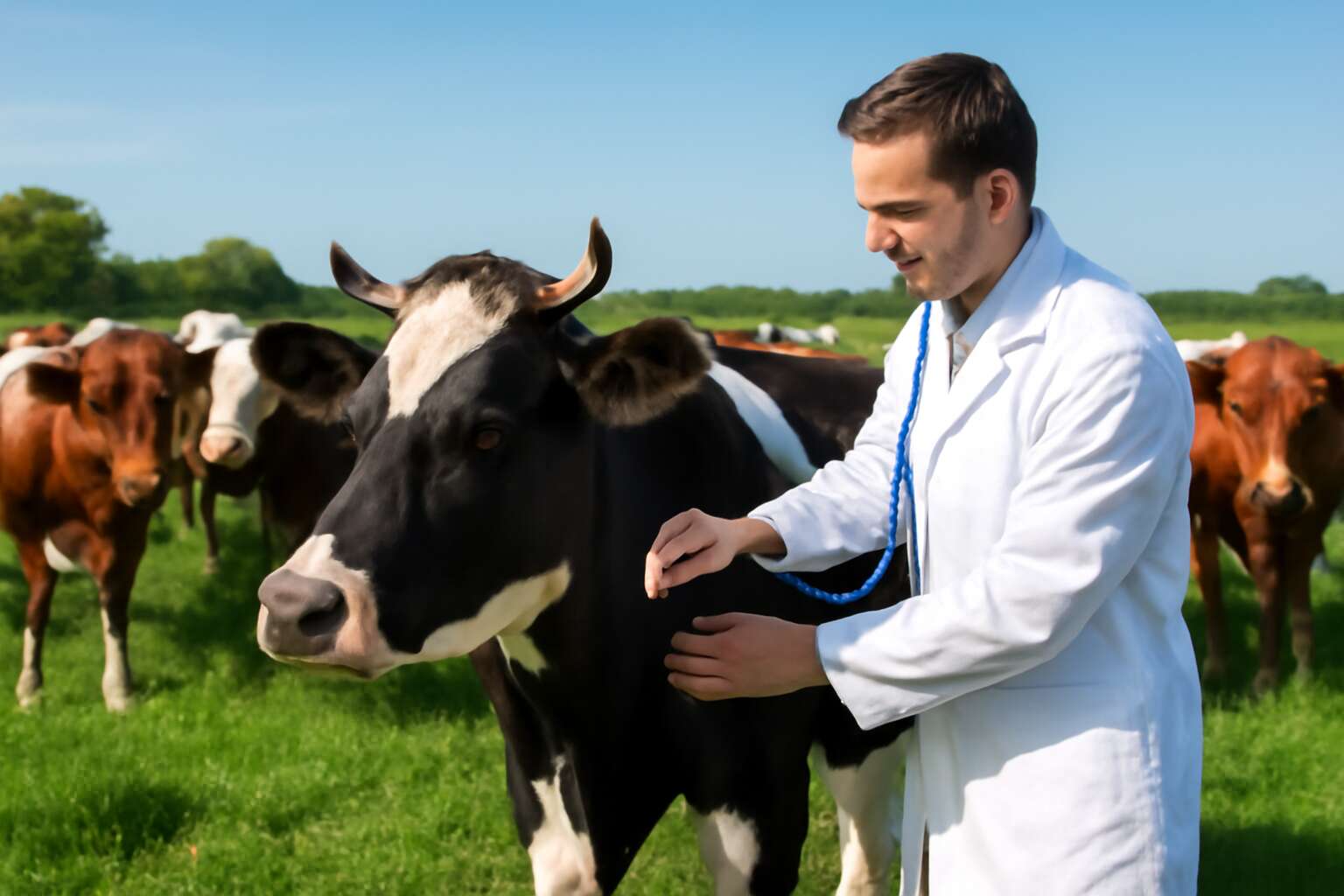
Comprehensive Livestock Health Management
Preventive Care and Routine Examinations – Importance of regular health check-ups for livestock health maintenance
In the rugged terrains of South Africa, livestock health is not just a matter of livelihood—it’s a lifeline. Regular health check-ups are the silent guardians, catching issues before they escalate into crises. This is where comprehensive livestock health management truly shines, transforming routine examinations into powerful tools for disease prevention and overall wellness.
Veterinary services for livestock are vital for maintaining productivity and ensuring animals remain resilient against the unpredictable challenges of their environment. Routine examinations help identify subtle signs of illness that might otherwise go unnoticed, allowing for early intervention and safeguarding your herd’s future. After all, in a landscape where every animal counts, proactive care isn’t just smart—it’s essential.
To truly safeguard your livestock, consider these key aspects of preventive care:
- Regular health check-ups tailored to seasonal risks
- Vaccination programs against common regional diseases
- Parasite control measures aligned with the local climate
In this high-stakes game of survival, routine examinations by expert veterinary services for livestock could very well be the difference between thriving herds and devastating losses. It’s the unseen armor that keeps your farm resilient against the supernatural unpredictability of nature.
Vaccination Programs – Implementing effective vaccination schedules to prevent common diseases
Vaccination programs are the unsung heroes of comprehensive livestock health management, especially in South Africa’s unpredictable climate. With diseases lurking like an uninvited guest, having an effective vaccination schedule can turn the tide in your favor. These programs aren’t just about popping a shot in the herd; they’re strategic, seasonally tailored efforts that protect your animals from regional diseases such as foot-and-mouth, brucellosis, and rabies.
Implementing an optimized vaccination timetable ensures that each animal receives the right protection at the right time. This proactive approach not only minimizes disease outbreaks but also boosts overall herd resilience. In fact, well-planned vaccination programs are often the difference between a thriving farm and one battling devastating losses. With expert veterinary services for livestock, you can rest assured your vaccination schedule is as precise as a Swiss watch—because in this game, every shot counts!
Nutritional Assessments and Dietary Guidance – Optimizing feed plans for productivity and health
In the intricate dance of livestock productivity, nutrition often remains an underestimated partner. A well-crafted dietary plan can unlock levels of health and yield that seem almost miraculous—yet, it’s often overlooked in the grand scheme of farm management. Veterinary services for livestock go far beyond vaccinations and routine check-ups; they delve deep into the essential realm of nutritional assessments and dietary guidance, ensuring each animal’s unique needs are met with precision.
Understanding an animal’s specific nutritional requirements is crucial, especially in South Africa’s diverse climate zones, which influence feed availability and quality. Proper assessment considers factors such as age, breed, reproductive status, and environmental stressors. With tailored feed plans, farmers can optimize productivity while minimizing health risks. Incorporating a balanced mix of energy, protein, vitamins, and minerals, these plans foster resilience and vitality, reducing susceptibility to disease and improving overall herd performance.
Veterinary services for livestock facilitate this process, offering expert guidance on selecting the right feed components and adjusting them seasonally. When nutritional needs are accurately met, the herd’s ability to withstand disease, adapt to climate fluctuations, and produce high-quality meat or milk dramatically improves. In this complex ecosystem, nutrition isn’t just a supplement; it’s the foundation of sustainable, ethical farming—an often overlooked, yet vital, pillar in livestock management.
Diagnostic and Treatment Services
Laboratory Testing and Diagnostics – Utilizing advanced diagnostic tools for accurate disease detection
In the realm of livestock management, precision is paramount. Diagnostic and treatment services offered by veterinary services for livestock harness cutting-edge laboratory testing and diagnostics to unveil the silent threats lurking within herds. Advanced diagnostic tools—such as PCR testing, blood analysis, and pathogen identification—allow veterinarians to detect diseases at their inception, often before clinical signs even emerge. This proactive approach not only saves animals from unnecessary suffering but also safeguards the livelihoods of farmers and communities alike.
Effective disease management hinges on the accurate interpretation of diagnostic results. Veterinarians utilize a combination of laboratory insights and clinical expertise to design targeted treatment protocols. From antimicrobial therapy to supportive care, each intervention is tailored to the specific pathogen and condition identified. Furthermore, the integration of diagnostic services enhances biosecurity measures, curbing the spread of contagious diseases and ensuring the overall health of livestock populations.
Emergency and Urgent Care – Rapid response services for livestock emergencies
When livestock face a sudden health crisis, every second counts. Emergency and urgent care from veterinary services for livestock can make the difference between a swift recovery and a devastating loss. These rapid response services are designed to be on call, ready to tackle everything from acute infections to traumatic injuries that threaten the herd’s well-being. Time is of the essence, and swift intervention can prevent minor issues from snowballing into major outbreaks.
Veterinary teams equipped with the latest tools and expertise arrive promptly, assessing the situation with precision and delivering targeted treatments. Whether it’s a sudden outbreak of foot-and-mouth disease or a calving complication, quick action helps contain the problem and minimizes economic impact. In the world of livestock management, having access to reliable emergency and urgent care isn’t just a luxury—it’s a necessity. After all, a herd in distress can quickly turn into a farmer’s nightmare, but with the right veterinary services for livestock, peace of mind is just a call away!
Disease Treatment and Management – Effective treatment protocols for infectious and non-infectious conditions
When it comes to safeguarding livestock health, precision in diagnosis and treatment can mean the difference between a thriving herd and catastrophic losses. Veterinary services for livestock employ cutting-edge diagnostic tools to uncover the root causes of both infectious and non-infectious conditions. These advanced methods — from blood tests to imaging — allow veterinarians to craft targeted, effective treatment protocols.
Effective disease management hinges on a combination of accurate detection and swift intervention. Whether dealing with a stubborn infection or a chronic ailment, veterinary teams develop tailored strategies to restore health and prevent recurrence. For infectious diseases, this often involves a combination of medication, isolation, and environmental adjustments. Non-infectious conditions, such as metabolic disorders or injuries, require meticulous management plans that address underlying causes and support recovery.
In the realm of livestock health, proactive disease treatment and management aren’t just critical; they are vital for maintaining productivity and economic stability. With the right veterinary services for livestock, farmers can rest assured that every health challenge is met with expertise, precision, and unwavering commitment to herd well-being.
Surgical and Advanced Medical Procedures
Common Surgical Interventions – Procedures such as cesarean sections, wound repairs, and more
In the realm of veterinary services for livestock, surgical and advanced medical procedures stand as vital pillars supporting animal health and farm productivity. When a ewe faces a complicated birthing process, a skilled veterinarian might perform a cesarean section—an intricate dance of precision and care that ensures both mother and lamb’s survival. Wound repairs, often necessary after injuries or accidents, require not only technical expertise but also a gentle touch that fosters healing.
Beyond these common interventions, cutting-edge veterinary services for livestock include procedures such as abscess drainage, joint surgeries, and even laparoscopic examinations. These advanced medical procedures unlock diagnostic clarity and therapeutic options previously thought unattainable, turning the tide against disease and injury. Every intervention is a testament to the veterinarian’s mastery—transforming moments of crisis into stories of recovery and resilience. In South Africa’s diverse agricultural landscape, such surgical expertise is indispensable for maintaining healthy herds and thriving farms.
Anesthesia and Pain Management – Ensuring animal comfort during procedures
In the world of veterinary services for livestock, ensuring animal comfort during surgical and advanced medical procedures is paramount. Anesthesia and pain management are not afterthoughts but core components of ethical and effective veterinary care. Proper anesthesia techniques minimize stress and discomfort, allowing for precise operations such as joint surgeries or laparoscopic examinations. When livestock undergo these procedures, the veterinarian’s expertise in administering safe and effective anesthesia is critical to a smooth recovery.
Advanced veterinary services often incorporate tailored pain management protocols that help animals recover swiftly and with minimal distress. This focus on animal welfare not only improves outcomes but also enhances farm productivity by reducing healing times. For operations like abscess drainage or wound repairs, the combination of skilled anesthesia and post-procedure pain control transforms what could be a traumatic experience into a controlled, humane intervention.
Choosing the right veterinary services for livestock means prioritizing veterinary practices that emphasize both surgical precision and compassionate pain management. After all, a healthy and comfortable herd is the backbone of a thriving farm in South Africa’s diverse agricultural landscape.
Advanced Medical Technologies – Use of ultrasound, endoscopy, and other modern techniques
When it comes to veterinary services for livestock, staying ahead of the curve with advanced medical technologies isn’t just a luxury — it’s a necessity. Modern tools like ultrasound and endoscopy have revolutionized how vets diagnose and treat farm animals, transforming what used to be guesswork into precise science. These innovations allow for non-invasive internal examinations, reducing stress and recovery times for your herd.
Ultrasound imaging, for instance, provides real-time insights into reproductive health, enabling early detection of issues like pregnancy complications or cystic ovaries. Meanwhile, endoscopy opens a window into the digestive tract, helping vets identify problems from choke to infections without the need for major surgery. Incorporating these advanced diagnostic techniques into veterinary services for livestock ensures swift, accurate interventions — saving time, money, and a lot of sleepless nights.
Beyond diagnostics, some veterinary practices are now utilizing minimally invasive surgical procedures, such as laparoscopy, which reduces recovery periods and improves outcomes. These cutting-edge approaches exemplify how veterinary services for livestock are evolving to meet the demands of modern farming. By embracing innovative technology, farms can maintain healthier herds, optimize productivity, and uphold the highest standards of animal welfare — all while keeping the herd’s well-being at the forefront.
Reproductive Services and Breeding Support
Artificial Insemination and Breeding Programs – Enhancing herd genetics through reproductive technology
Reproductive services and breeding support are the cornerstone of a thriving livestock operation, particularly in South Africa where genetic improvement can determine the difference between abundance and scarcity. Artificial insemination, a precise reproductive technology, allows farmers to access superior genetics without the logistical challenges of live bull management. This method not only accelerates genetic progress but also reduces the risk of disease transmission, safeguarding the herd’s health and productivity.
Comprehensive breeding programs harness these advances to enhance herd genetics, ensuring animals are better adapted to local conditions and more resilient against diseases. When paired with expert veterinary services for livestock, reproductive interventions become more successful, fostering healthier, more productive herds. From conception to calving, targeted reproductive support ensures that each breeding cycle is optimized for success, ultimately transforming herd quality and productivity.
Reproductive Health Examinations – Monitoring fertility and diagnosing reproductive issues
Reproductive health is the backbone of any successful livestock operation. Regular reproductive services and breeding support are essential to ensure that herds remain healthy, productive, and genetically sound. Monitoring fertility through comprehensive reproductive health examinations allows farmers to identify issues early, preventing costly delays in breeding cycles. These examinations include checking for signs of reproductive infections, hormonal imbalances, and other conditions that could compromise fertility.
Veterinary services for livestock play a pivotal role in diagnosing reproductive issues accurately and swiftly. Advanced diagnostics like ultrasound imaging provide detailed insights into reproductive organs, helping to pinpoint problems such as ovarian cysts or uterine infections. Early detection and treatment not only improve conception rates but also safeguard the herd’s overall health. When reproductive health is managed effectively, farmers can expect better calving intervals, healthier offspring, and enhanced herd resilience.
For livestock producers committed to excellence, partnering with veterinary services for livestock ensures that reproductive interventions—whether nutritional, medical, or surgical—are performed with precision. This holistic approach to reproductive health fosters herd vitality, turning reproductive management from a challenge into a strategic advantage!
Pregnancy Diagnosis and Care – Ensuring healthy gestation and delivery
In the intricate dance of livestock management, ensuring a successful pregnancy is nothing short of an art—one that hinges on expert veterinary services for livestock. Accurate pregnancy diagnosis and attentive care during gestation are vital to safeguarding the health of both dam and offspring. Modern veterinary clinics employ advanced tools such as ultrasound imaging, which not only confirms pregnancy but also monitors fetal development, detecting potential complications early. This proactive approach minimizes risks and maximizes the likelihood of healthy delivery.
During critical stages of gestation, tailored reproductive support—ranging from nutritional adjustments to medical interventions—is essential. Livestock producers benefit from comprehensive breeding programs that include artificial insemination, optimizing genetics while reducing reproductive downtime. Additionally, some herds may require specialized surgical procedures like cesarean sections or wound repairs, which demand precision and expertise from veterinary services for livestock. Ensuring that these interventions are performed with utmost care guarantees smoother deliveries and healthier calves, reinforcing the resilience of the herd.
Ultimately, partnering with trusted veterinary services for livestock transforms reproductive management from a gamble into a calculated strategy. It’s not just about pregnancy; it’s about nurturing life, securing future generations, and elevating productivity—turning every birth into a testament to excellence in livestock care.
Herd Health and Disease Prevention Programs
Biosecurity Measures – Strategies to prevent disease introduction and spread
In the realm of livestock management, a single breach in biosecurity can unleash a cascade of devastating consequences. Biosecurity measures are the fortress guarding herds from infectious threats, especially in regions like South Africa where livestock diseases can rapidly escalate. Implementing strategic barriers, such as controlled access points, disinfectant stations, and quarantine protocols, forms the backbone of disease prevention. These strategies are not just precautions—they are essential components of comprehensive veterinary services for livestock that safeguard economic stability and animal welfare.
Herd health and disease prevention programs extend beyond basic measures. They encompass rigorous biosecurity strategies designed to prevent disease introduction and curtail spread. For instance, ensuring strict sanitation practices and monitoring incoming animals can drastically reduce pathogen transmission. Additionally, regular training for farm personnel fosters a vigilant approach to biosecurity, making disease outbreaks a rare anomaly rather than an expected risk.
- Implement controlled movement of personnel and equipment
- Maintain disinfectant protocols at entry and exit points
- Isolate new or sick animals promptly
- Conduct routine health screenings and diagnostics
By integrating these tactics into daily operations, livestock owners reinforce the resilience of their herds. In South Africa’s dynamic agricultural landscape, these veterinary services for livestock are vital for sustainable productivity and long-term herd health. When every detail counts, a proactive stance on biosecurity becomes the cornerstone of effective disease prevention programs—protecting herds from unseen threats lurking at the margins of farm life.
Herd Health Monitoring – Regular health surveillance and record keeping
Effective herd health monitoring is the backbone of any successful livestock operation. Regular health surveillance helps identify potential issues before they escalate, saving farmers both time and money. Keeping detailed records of each animal’s health status, vaccination history, and treatment history creates a comprehensive picture that guides management decisions. This diligent record keeping ensures transparency and facilitates early detection of disease outbreaks.
Veterinary services for livestock play a critical role in implementing these monitoring programs. Routine inspections, combined with diagnostic testing, provide precise insights into herd health. These proactive measures allow for timely interventions and help maintain optimal productivity. When integrated into daily farm routines, herd health monitoring becomes a powerful tool for safeguarding animal welfare and supporting sustainable farming practices.
Outbreak Management and Quarantine Procedures – Effective response plans for livestock disease outbreaks
In the dynamic landscape of livestock management, the ability to respond swiftly and effectively to disease outbreaks can mean the difference between herd resilience and devastating losses. Veterinary services for livestock are integral to establishing robust outbreak management and quarantine procedures that uphold herd health and farm profitability. When an infectious disease appears, a well-structured response plan is paramount—one that includes immediate isolation of affected animals, thorough diagnostic testing, and strategic containment measures.
Quarantine procedures form the first line of defense, preventing the pathogen’s spread to healthy animals. This involves meticulous segregation, disinfection protocols, and close observation during the incubation period. To streamline outbreak management, many farms adopt an orderly, step-by-step approach:
- Identification of initial cases through routine health surveillance.
- Implementation of immediate quarantine measures.
- Deployment of diagnostic testing to confirm the disease.
- Development of a tailored response plan that includes treatment, vaccination, and biosecurity enhancements.
Veterinary services for livestock are essential in guiding farmers through these complex processes. Their expertise ensures that every step—be it outbreak containment or quarantine—aligns with national regulations and best practices, safeguarding both herd health and farm sustainability. When combined with proactive surveillance and biosecurity measures, these response strategies form an unassailable shield against infectious threats, reinforcing the farm’s resilience in a world where disease challenges are ever-present.
Consulting and Education for Livestock Owners
Farm Management and Best Practices – Guidance on optimizing farm operations
In the bustling tapestry of South African farms, knowledge is as vital as the rain that nurtures the veld. For livestock owners seeking to elevate their farm management, consulting and education from expert veterinary services for livestock can be a game-changer. These services don’t just treat ailments—they illuminate the path to sustainable farm practices that harmonize productivity with animal well-being.
Through personalized guidance, veterinarians help farmers understand the intricate dance of herd health, reproductive cycles, and nutrition. Education sessions often include workshops on best practices in biosecurity measures and disease prevention, empowering owners with the tools to safeguard their herds against emerging threats. By fostering a culture of continuous learning, veterinary services for livestock become an invaluable partner in achieving optimal farm management and longevity.
Training and Continuing Education – Workshops and resources for livestock caretakers
In the complex realm of South African livestock farming, ongoing education is the secret ingredient that transforms good farmers into industry pioneers. When livestock owners seek to expand their knowledge, consulting and education from expert veterinary services for livestock become an invaluable resource. These services go beyond simple treatment—they serve as a gateway to mastering sustainable farm practices that bolster productivity and animal welfare.
Through tailored workshops and resource-rich training sessions, veterinary services for livestock empower farmers with critical insights into herd management, reproductive health, and nutrition optimization. These educational initiatives often include interactive modules on biosecurity measures and disease prevention strategies—key elements in safeguarding herds against emerging threats. Engaging in continuous learning not only enhances farm efficiency but also fortifies the resilience of livestock operations in the face of unpredictable challenges.
To meet the diverse needs of livestock owners, many veterinary practices offer structured programs such as:
- Hands-on workshops on disease management and biosecurity protocols
- Access to comprehensive educational resources and manuals
- Ongoing mentorship for implementing best practices in farm management
By partnering with veterinary services for livestock, farmers unlock a wealth of knowledge that fuels innovation and sustainability—cornerstones of thriving South African farms. The journey of continuous education transforms routine farm routines into strategic triumphs, ensuring livestock health and farm longevity are preserved with expert precision.
Regulatory Compliance and Certification – Ensuring adherence to health and safety standards
In the ever-evolving landscape of South African livestock farming, regulatory compliance and certification are not merely bureaucratic hurdles—they are the pillars that uphold trust, safety, and sustainable growth. Navigating the labyrinth of health standards, safety protocols, and legal requirements demands expert guidance. Veterinary services for livestock play a crucial role in ensuring farmers meet these rigorous standards, safeguarding their operations from costly penalties and reputational damage.
Consulting with experienced veterinary professionals provides livestock owners with tailored advice on compliance procedures, documentation, and certification processes. These services help ensure that farms adhere to national and international health regulations, promoting credibility in local markets and export opportunities. Moreover, veterinary services for livestock often include training on biosecurity protocols and record-keeping, essential for demonstrating compliance during inspections.
To streamline certification efforts, many veterinary practices offer structured programs that include:
- Detailed audits of farm practices and records
- Guidance on meeting health and safety standards
- Assistance with certification applications and renewal processes
Partnering with veterinary services for livestock ensures that compliance becomes an integral part of daily farm management rather than a burdensome afterthought. This proactive approach not only minimizes risks but also elevates the farm’s reputation, fostering long-term sustainability within South Africa’s dynamic agricultural sector.
0 Comments