
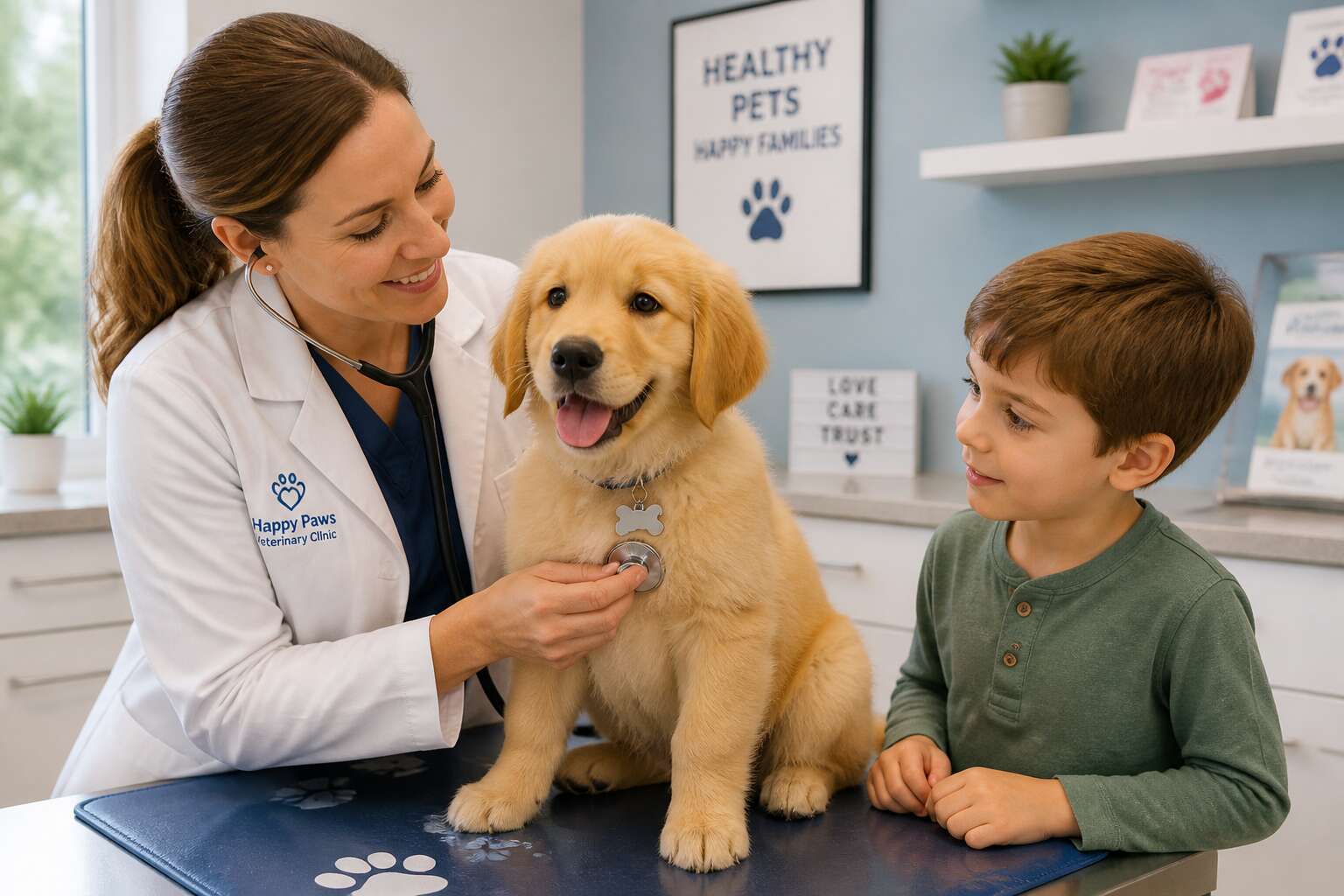
The Role of a Full-Service Veterinary Practice
Core Medical Services for Everyday Ailments
Every Tuesday morning, a farmer brings in a dog with tick bite fever that has weakened its hind legs. Such everyday ailments define a full-service veterinary practice. Our role is to handle routine problems before they disrupt a household or herd.
Core medical services are the essential tasks. At our family vet clinic, we rely on a set of procedures:
- vaccinations for distemper and parvo
- parasite control for fleas and worms
- wound cleaning and suturing
- treatment for diarrhoea and vomiting
A simple skin scrape can reveal mange before it spreads to children. A family vet clinic must be ready for these surprises. We have seen how a timely antibiotic injection saves a weekend. We have also seen how a missed deworming dose leads to a sleepless night. The daily rhythm of our work is unglamorous but necessary. For families in the Karoo and beyond, this consistency matters.
Wellness and Preventive Care Programs
An animal cannot tell us where it hurts. This silence makes preventive care essential. Wellness examinations at our family vet clinic look for early markers owners miss. A change in gum colour, a barely noticeable limp, a shift in appetite. These clues reveal conditions we can still reverse!
Wellness and preventive care programs include health screenings for pets of every age. Senior pets benefit from blood panels that track kidney and thyroid function. Young animals receive guidance on nutrition and behaviour. Dental assessments prevent oral infections that spread to the heart and joints.
We structure these programs around the individual animal:
- Weight and body condition scoring at every visit
- Dental health checks and professional cleanings
- Age appropriate laboratory screening
- Lifestyle based wellness planning
Prevention costs less than treatment, in money and worry. A family vet clinic that prioritises wellness keeps pets out of emergency rooms. That quiet work saves lives.
Diagnostic Imaging and In-House Laboratory Work
A single radiograph can tell us more than an hour of questions. When a pet limps, vomits, or stops eating, the cause usually hides inside the body. A full-service family vet clinic keeps diagnostic imaging and in-house laboratory work within the building. That arrangement changes how fast we can respond. Waiting for an external lab costs days. Internal diagnostics cost minutes.
In-house laboratory work measures blood counts, biochemistry panels, and clotting times while the owner sits in the waiting room. Diagnostic imaging adds visual proof:
- Digital X-rays for fractures and obstructions
- Ultrasound for the liver, spleen, and bladder
- Echocardiography for heart muscle movement
We combine laboratory results with these images to build a working diagnosis before the appointment ends.
Most practices that refer imaging to outside specialists introduce a delay of 24 to 48 hours. During that window, a twisted stomach or a ruptured bladder can turn fatal. The family vet clinic that runs its own equipment reduces the time between symptom and answer. We see it every week. The pet that arrives with a mystery illness often leaves with a clear plan the same afternoon.
Dental Cleaning and Oral Health Maintenance
More than eighty percent of dogs and cats show signs of dental disease by age three. That statistic hides a slow process. Tartar builds, gums recede, and bacteria enter the bloodstream.
A full-service family vet clinic handles dental cleaning under general anaesthesia. We scale above and below the gumline, then polish each tooth to slow future plaque. The veterinarian records pocket depths and checks for fractures or oral masses during every appointment.
- Ultrasonic scaling removes hardened tartar
- Subgingival curettage cleans hidden pockets
- Fluoride application strengthens enamel
Home brushing and dental diets extend the benefits between visits. A clean mouth supports the heart, liver, and kidneys.
Benefits of Choosing a Multi-Service Vet for Your Household
Catering to Dogs, Cats, and Exotic Pets
Inside one building, a family vet clinic knows your entire menagerie. The dog, the cat, the African grey parrot, and the gecko all breathe the same familiar air. A multi-service practice sees the household as a single system. When one resident changes, the others often follow. Your vet recognises the patterns that arise between species. The bulldog who guards the aviary, the kitten who stalks the rabbit hutch: their wellbeing is intertwined. One appointment covers everyone.
For your peace of mind, a unified practice offers:
- A single medical history that travels across species
- Coordinated parasite control when a cat and a parrot share a garden
- Nutritional guidance for each distinct palate under one roof
This is the quiet value of a true family vet clinic.
Streamlined Appointments for Busy Families
The hours between work and rest are unforgiving. A household with a dog, a cat, and a less ordinary companion knows this intimately. Separate visits to separate practices drain that time to nothing. A family vet clinic offers a single door for all of them.
One appointment slot becomes a coordinated event. You sit once, while each animal is examined in turn. The staff already know your names and your pets’ histories. There is no repetition, no translation of old records.
Consider what this consolidation provides:
- One check-in for the entire household
- One billing cycle instead of scattered invoices
- One schedule that respects your other commitments
This is the practical weight of a multi-service practice. It does not heal differently. It simply gives you the time to let healing happen.
Long-Term Continuity of Care
Continuity across years changes what a visit can achieve. When one family vet clinic tracks your animals from kittenhood through their senior years, subtle shifts in weight, appetite, or behaviour become meaningful signals, not first-time observations. The clinician sees the whole arc of an animal’s life. Patterns of illness and response to treatment are already charted in the practice’s institutional memory.
This context matters most when health problems become chronic or complex. A single medical record links each consultation to the last, so decisions rest on history rather than deduction. The staff also know your household’s routines and constraints. They can anticipate how a new diagnosis might fit into your daily life.
Over time, this consistent oversight produces a form of care that is difficult to replicate in a revolving-door clinic:
- A cumulative record that travels with your animal
- Earlier recognition of gradual decline
- Treatment plans that respect past reactions and future risks
A family vet clinic builds this kind of familiarity only through repeated contact. It is a quiet advantage, but a durable one.
Access to On-Site Emergency Support
Emergency care demands speed. In a multi-service practice, the team that knows your pet’s baseline is the same team that responds when the unexpected strikes. This proximity changes outcomes.
On-site emergency support means no handoff delays. Your family vet clinic already holds the bloodwork, drug sensitivities, and behavioural history. That data becomes instantly actionable during a crisis.
A single facility also reduces stress for the animal. Familiar scents and voices matter when every second counts.
- Immediate access to diagnostic tools
- No referral gap between night and day
- Continuous monitoring by known staff
This structure transforms a stressful event into a coordinated response. It is the difference between acting on known history and acting on assumption.
What to Look for When Selecting a Veterinary Home
Accreditations and Staff Credentials
In a recent survey, 78 percent of pet owners said staff expertise determines their choice of a veterinary home. A family vet clinic earns trust through visible accreditations, including registration with the South African Veterinary Council. Look for credentials that are current and specific to the care your pet needs. The team should include:
- Veterinarians with ongoing continuing education
- Certified veterinary nurses and technicians
- Membership in professional bodies like the South African Veterinary Association
Verify these details during an initial visit. Ask about the collective years of experience and any specialised training. A practice that regularly audits its protocols demonstrates accountability. Such transparency reflects a genuine commitment to animal welfare. When you find a veterinary home with these markers, you gain confidence for every member of your family.
Range of Services and Medical Equipment
I have always found that the true character of a family vet clinic reveals itself in the examination rooms and surgical suites. A practice that invests in modern medical equipment offers a wider spectrum of care, reducing the need for stressful referrals to distant specialists.
When evaluating the range of services, consider the physical infrastructure. Look beyond the reception area to the treatment spaces. A well equipped practice handles routine procedures and complex interventions with equal confidence.
The range of services typically includes the following:
- Soft tissue and orthopaedic surgical capabilities
- Hospitalisation facilities with dedicated monitoring equipment
- Anaesthesia protocols that adapt to each patient’s age and health status
A family vet clinic that maintains this infrastructure demonstrates a commitment to comprehensive care. The equipment itself signals preparation and foresight, qualities that matter when your companion needs urgent attention.
Experience with Your Pet’s Species or Breed
Most South African families choose their vet without considering breed specific needs. When you walk into a family vet clinic, watch how staff respond to your pet’s unique physiology. A shih tzu with a collapsed trachea needs different handling than a boerboel with hip dysplasia.
I look for a clinic that asks about your dog’s lineage and your cat’s known sensitivities. They will track patterns across similar breeds. That proactive curiosity prevents minor issues from becoming emergencies. Booking an initial consultation here is your chance to test their knowledge:
- Bring a photo or record of your pet’s parents if possible.
- Ask what health conditions they commonly see in your breed.
- Notice if they adjust their advice for your pet’s age.
Your family vet clinic should demonstrate this awareness in every interaction, from the waiting room to the final handshake!
Client Reviews and Community Reputation
Reputation is the only currency a family vet clinic cannot buy. It is built one difficult case at a time, and it follows you into the consulting room before you ever speak.
I do not trust star ratings alone. I read the reviews that mention specific vets by name, the ones describing a calmer pet after a visit, the ones thanking a nurse for a returned phone call. The community knows which clinic stays late for emergencies and which one rushes you out.
Here is what I scan for in every review:
- Names of the same vets or nurses appearing repeatedly, a sign of staff retention
- Complaints that receive a direct, accountable response from the practice
- Mentions of follow-up calls or check-ins after procedures
A single negative review means little. A pattern means everything. When local breeders and pet sitters recommend the same family vet clinic, pay attention. Their own reputations ride on that referral. That is the loudest endorsement in South Africa.
Facility Cleanliness and Appointment Flow
The first impression of a family vet clinic is often its smell. A clean facility does not smell of heavy disinfectant or mask anything. It smells of nothing at all. The floors, the waiting area, and the consultation rooms all reflect a practice that prepares for the next patient before the current one leaves. Observable hygiene is the baseline, but the flow matters too. Watch how the staff moves.
Notice how clients sit. Are they separated by species or temperaments? Calm waiting areas reduce stress for animals before examinations.
- Check the handling of waste and disposal bins beside examination tables.
- Observe whether staff sanitise surfaces between pets without being asked.
- See if cats have a separate entrance or waiting space from dogs.
Appointment flow speaks to respect for your time and your pet’s comfort. A reception desk that manages check-in without chaos, a schedule that allows for consultations that run longer than fifteen minutes, and a system for veterinary checkups in Krugersdorp that does not keep you waiting in the corridor. Time management at the front desk reflects the entire operational logic of the practice. You want a family vet clinic that values your presence, not one that merely processes you. Efficiency is sustainability, and sustainability is kindness.
How to Prepare for Your First Appointment
Gathering Previous Medical Records and Vaccination History
Your pet’s medical file is a biography written in vaccinations and past diagnoses. Arriving without it forces guesswork, and guesswork has no place in preventive care. Before your first visit, contact your previous veterinarian and request a complete history, including booster dates and any adverse reactions. This holds weight because your pet cannot narrate their own story.
I always tell owners to double check their records against the clinic’s requirements. Some vaccinations need boosters within specific windows. For a family vet clinic, those details shape the entire first consultation. An accurate timeline lets the team focus on your pet’s present rather than reconstructing their past.
Writing Down Questions for the Veterinarian
The most common phrase in my examination room is “I had a question, but now I can’t remember it.” Nerves do that. They erase the well rehearsed concern. I tell new clients to write questions down before the appointment. A notebook, a notes app, a scrap of paper. Committing concerns to text before the visit is what matters.
At a family vet clinic, the first consultation is a two-way conversation. You receive information, and you provide it. A written list keeps that exchange honest.
Consider what you need to know:
- How much exercise suits my pet’s breed and age?
- What subtle signs of pain should I watch for at home?
- How do I administer medication if my pet refuses to swallow it?
Some owners apologise for their lists. I wish they would not! A written question is evidence of attention. The best clients at any family vet clinic arrive with questions prepared.
Transport Tips to Reduce Pet Anxiety
The journey to the vet is where most anxiety begins. I have seen a calm, friendly dog turn into a trembling mess the moment the car door opens. For cats, the experience is worse. A carrier can feel like a cage to an animal that only associates it with confinement. The first appointment at a family vet clinic starts on your driveway, not in the examination room.
Set the carrier out two days early. Leave it open with a soft blanket and a familiar toy inside. Encourage your pet to explore it without pressure. On the day, spray synthetic pheromones into the lining and drape a thin towel over the carrier. This cuts visual stimulation and dulls the noise of passing traffic.
- Keep the cab temperature under 24°C.
- Accelerate gently and brake with care.
- Secure the carrier with a seatbelt so it does not slide.
Take a short practice drive around the block a few days prior. Reward quiet behaviour with a small treat. This builds a new association. When the real visit arrives, the ride feels familiar. A relaxed arrival gives the staff at your family vet clinic a clear baseline for your pet’s health, free from travel stress.
Understanding Typical Costs and Payment Options
Walking into a family vet clinic without a sense of expected costs can unsettle any owner. Preparation means knowing what the consultation covers and what it might not. Some clinics charge separately for vaccines, and that alters the final invoice.
- Cash or card
- Medical aid or pet insurance claims
- Deferred payment plans
Understanding these details before your visit removes guesswork. The receptionist can provide a breakdown over the phone. Ask about follow-up visits too, as some treatments require revisits that carry their own fees. A clear picture of costs helps you choose the right care without surprises.
Lifelong Services Your Pet May Need at a Veterinary Practice
Puppy and Kitten Care: Vaccines and Early Socialization
Puppies and kittens arrive with a certain entitlement, convinced the household revolves around their nap schedule. Yet their first months demand serious attention to health and character. At a family vet clinic, the initial consultations set the tone for a lifetime of wellbeing.
Vaccines protect against diseases like parvovirus and feline distemper, while your veterinarian maps out a safe schedule for boosters. Early socialization is equally critical; it teaches your young companion to interpret the world without fear. Your family vet clinic will recommend exposure to varied sights, sounds, and gentle handling.
- A proper introduction to car rides.
- Meetings with other vaccinated animals.
- Positive experiences with grooming tools.
These experiences shape a confident adult pet, avoiding the common pitfalls of timidity or aggression.
Adult Wellness Exams: Screening and Parasite Control
Most pet owners assume a healthy appetite means a healthy animal. Parasites disagree. Adult wellness exams at a family vet clinic go beyond a quick glance at teeth and gums; they are a systematic audit of your pet’s internal ecosystem. Annual screenings reveal subclinical organ changes before symptoms appear, while a fecal test confirms the presence of intestinal worms. South African heatwaves amplify tick and flea pressure, making parasite control a year-long commitment.
Your veterinarian customises prevention to your pet’s lifestyle. Consider what the annual exam covers:
- Blood panels for kidney and liver function
- Fecal analysis for worm burdens
- Heartworm and tick-borne disease screening
- Weight and body condition scoring
These checks form a strategy that evolves with age. The family vet clinic becomes a partner in catching problems early, when intervention is simpler and less costly!
Senior Pet Health Management: Chronic Condition Monitoring
As pets enter their senior years, chronic conditions become more common. The South African Veterinary Association notes that over a third of pets aged seven and above live with a long-term health issue. A family vet clinic provides the structured oversight that this stage demands.
Chronic condition monitoring goes beyond annual exams. Blood pressure readings, urinalysis, and joint mobility assessments are repeated at strategic intervals. Your veterinarian tracks trends and compares them against the pet’s baseline. Medication dosages shift as kidney, heart, or thyroid function evolves.
This sustained attention helps catch complications before they escalate. A family vet clinic maintains a clear historical record, so subtle changes in weight or lab values are never overlooked. For an aging companion, that continuity is the difference between reaction and prevention.
Soft Tissue and Orthopedic Surgical Procedures
Not every health issue resolves with medication. Some conditions require surgical intervention, and a family vet clinic should be equipped to handle both soft tissue and orthopedic procedures. Soft tissue surgery covers tumour removals, wound repairs, and abdominal operations. Orthopedic surgery addresses the skeleton, including fracture repairs, cruciate ligament stabilisation, and patella luxation correction.
A clinic with full surgical capabilities offers:
- Pre-operative blood work and pain management planning
- Sterile surgical suites with modern anaesthesia monitoring
- Post-operative care instructions and scheduled follow-ups
In my experience, recovery protocols matter as much as the operation itself. Pain relief, activity restrictions, and suture care are all part of the process. Knowing what to expect helps you support your pet through the healing phase. A family vet clinic that explains these details clearly makes the entire experience less stressful for both owner and animal.
Nutritional Counseling and Weight Management Plans
Your pet’s waistline tells a story long before the scale does. At a family vet clinic, we track body condition scores every visit, because obesity steals years from dogs and cats. One in three South African pets battles excess weight, yet owners rarely notice until mobility fades.
Nutritional counseling starts with what is on the bowl. But it goes deeper into metabolic rates, life stage requirements, and hidden sensitivities. Weight management plans are not generic restrictions. They involve:
- Precise calorie targets based on lean body mass
- Meal timing strategies for multi pet households
- Reassessment every four to six weeks
A dedicated family vet clinic treats weight loss as a medical intervention, not a diet fad. Chronic conditions like arthritis or diabetes demand tailored nutrition, and adjustments happen as your pet ages. This is lifelong service, quietly preventing the next emergency.
0 Comments