
Overview of Veterinary Services in Ghana
Background and Importance – Understanding the role of veterinary services in Ghana’s agriculture and pet care
In Ghana, veterinary services play a pivotal role in shaping the nation’s agricultural landscape and nurturing the bond between humans and their beloved pets. As the backbone of Ghana’s livestock industry, these services ensure the health and productivity of cattle, goats, and poultry—cornerstones of local livelihoods. The importance of veterinary services in Ghana extends beyond agriculture; it encompasses pet care, safeguarding public health, and controlling zoonotic diseases that threaten communities.
With a growing awareness of animal welfare, the demand for comprehensive veterinary services in Ghana has surged. From routine check-ups to advanced diagnostics, veterinary clinics are vital in maintaining the well-being of both farm animals and companion pets. Their expertise not only boosts food security but also promotes sustainable farming practices, making veterinary services in Ghana indispensable for economic resilience and community health.
Historical Development – Evolution of veterinary services in the country
Ghana’s journey into veterinary services is a tale woven through centuries of tradition and modern innovation. Once rooted solely in indigenous knowledge and local herbal remedies, veterinary services in Ghana have evolved into a sophisticated network of clinics, laboratories, and trained professionals dedicated to animal health. The colonial era marked a turning point, introducing formal veterinary practices and establishing government-led initiatives to combat livestock diseases. Over time, these efforts blossomed into a comprehensive system aiming to safeguard both agricultural productivity and public health.
Today, veterinary services in Ghana are characterized by a blend of traditional wisdom and cutting-edge technology. The Ghana Veterinary Service Directorate, a cornerstone of this evolution, oversees disease control, animal welfare, and food safety. As the sector progresses, it embraces innovations such as mobile clinics and digital diagnostics, transforming the landscape of animal healthcare across the nation. This historical development underscores a resilient commitment to animal well-being—an essential pillar supporting Ghana’s vibrant agricultural economy and thriving pet care community.
Current State of Veterinary Care – Overview of existing facilities, services, and challenges
Ghana’s landscape of veterinary services in Ghana has expanded remarkably over recent years, reflecting a steadfast commitment to animal health and agricultural resilience. Modern veterinary clinics dot the urban and rural tapestry, offering an array of services from routine vaccinations to complex surgical procedures. Yet, despite these advancements, challenges persist. Limited infrastructure in remote areas hampers access, and the shortage of specialized professionals remains a hurdle for comprehensive care.
Nevertheless, the sector continues to evolve through innovative approaches. Mobile veterinary clinics traverse rural communities, bringing essential services directly to farmers and pet owners. Digital diagnostics and telemedicine platforms are gradually transforming the delivery of care, making veterinary services in Ghana more accessible and efficient than ever before. The dedication of local veterinary practitioners, combined with government initiatives, underscores a resilient drive to elevate animal health standards across the country.
Types of Veterinary Services Available in Ghana
Pet and Companion Animal Care – Services for dogs, cats, and exotic pets
In Ghana, the realm of pet wellness has evolved into a sophisticated tapestry of specialized veterinary services, reflecting a growing recognition of the profound bond between humans and their animal companions. From the playful purr of a domestic cat to the loyal gaze of a canine friend, veterinary services in Ghana now encompass a broad spectrum of care tailored to diverse needs.
While traditional clinics focus on routine health checks and vaccinations, an increasing number of facilities now offer exotic pet care, catering to the unique requirements of reptiles, birds, and other non-conventional animals. These services often include specialized diagnostics, surgical interventions, and nutritional guidance that respect the intricate biology of these creatures. For pet owners seeking comprehensive support, the following services are pivotal:
- Preventive health examinations
- Emergency and surgical procedures
- Dental care and hygiene services
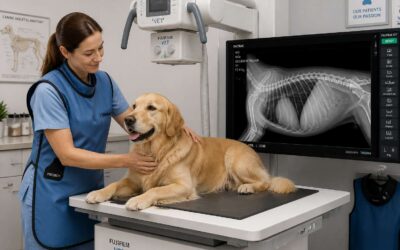
- Diagnostic imaging such as X-rays and ultrasounds
- Specialized exotic pet care
Indeed, veterinary services in Ghana are not merely about treatment but also about fostering a deeper understanding of animal health, ensuring that every pet receives the attentive, expert care they deserve. This expanding landscape underscores a commitment to elevating pet welfare to new heights, making Ghana a promising hub for pet owners seeking quality veterinary care.
Livestock and Agricultural Veterinary Services – Support for cattle, goats, poultry, and other farm animals
Ghana’s agricultural sector is the backbone of its economy, and veterinary services in Ghana play a crucial role in safeguarding this vital industry. Livestock health isn’t just about preventing disease; it’s about ensuring sustainable growth and food security. Support for cattle, goats, poultry, and other farm animals has become more sophisticated as veterinary services in Ghana expand to meet the demands of modern farming.
From routine health checks to complex disease management, veterinary clinics across Ghana now offer a comprehensive array of services tailored to the needs of farmers and herders. Specialized diagnostics, vaccination programs, and surgical interventions help keep farms productive and resilient. With the rise of industrialized farming, services such as parasite control and reproductive health management have become indispensable.
In addition, the support for farm animals often involves the following:
- Preventive health examinations
- Emergency treatment for injuries or sudden illnesses
- Nutrition and dietary guidance
- Reproductive health services
- Biosecurity protocols to prevent disease outbreaks
By ensuring the health and productivity of livestock, veterinary services in Ghana are cementing their position as key players in the nation’s agricultural prosperity. This robust support system not only sustains farmers but also enhances Ghana’s standing as a regional hub for livestock excellence.
Preventive and Public Health Services – Vaccinations, disease control, and zoonotic disease management
Veterinary services in Ghana are essential for safeguarding public health and maintaining the country’s agricultural productivity. One of the key components is preventive and public health services, which focus on vaccinations, disease control, and zoonotic disease management. These services protect both animals and humans from shared health threats, ensuring a safer environment for all.
Vaccination programs are widespread across Ghana, targeting common diseases such as foot-and-mouth disease, brucellosis, and avian influenza. Disease control measures are carefully implemented to prevent outbreaks that could devastate livestock populations and threaten food security. Additionally, zoonotic disease management is a top priority, helping to reduce the risk of illnesses transmitted from animals to people.
Veterinary clinics and government agencies often provide services such as:
- Routine health checks
- Emergency treatment for injuries or sudden illnesses
- Biosecurity protocols to prevent disease spread
These efforts make veterinary services in Ghana not just about individual animal care but a cornerstone of public health and sustainable farming. The integration of these services underscores Ghana’s commitment to a resilient and healthy agricultural sector.
Emergency and Surgical Services – Critical care, surgeries, and trauma treatment
In the realm of veterinary services in Ghana, emergency and surgical services stand as vital pillars supporting both animal welfare and public health. When animals face unexpected injuries or sudden illnesses, prompt and expert intervention can be the difference between life and death. Skilled veterinarians equipped with modern surgical tools and facilities are ready to tackle everything from traumatic injuries to complex procedures.
Critical care units within veterinary clinics provide round-the-clock attention, ensuring that animals receive the necessary treatment in their most vulnerable moments. These services often include trauma treatment, stabilization of critically ill animals, and life-saving surgeries. The commitment to rapid response underscores Ghana’s dedication to safeguarding its diverse array of companion and farm animals.
Veterinary clinics in Ghana are also equipped to perform a wide spectrum of surgeries, from routine spaying and neutering to intricate orthopedic repairs. In some instances, specialized procedures such as tumor removals or emergency cesarean sections are crucial for animal health and productivity. This comprehensive approach to emergency and surgical services cements the role of veterinary care as an indispensable component of Ghana’s animal management landscape.
- Trauma treatment
- Emergency surgeries
- Orthopedic repairs
- Critical care and stabilization
Access to these advanced veterinary services in Ghana not only elevates individual animal wellbeing but also fortifies the broader framework of zoonotic disease prevention and food security. The seamless integration of emergency and surgical care ensures that animals, whether pets or livestock, remain resilient amidst the challenges of disease and injury.
Leading Veterinary Clinics and Hospitals in Ghana
Accra’s Top Veterinary Centers – Highlights of reputable clinics in Accra
Accra, the vibrant heart of Ghana, boasts some of the most esteemed veterinary clinics and hospitals in the region. These centers are not merely places of treatment; they are sanctuaries where compassion meets cutting-edge innovation. Among the notable veterinary centers in Accra, the Ghana Veterinary Clinic stands out as a beacon of excellence, offering comprehensive pet care that spans from routine vaccinations to advanced surgical procedures. Their skilled veterinarians are renowned for their dedication to animal health and welfare, ensuring that every pet, whether feline, canine, or exotic, receives personalized attention.
For those seeking specialized livestock veterinary services in Ghana, clinics such as the Accra Livestock Veterinary Hospital provide vital support for farmers and agricultural enterprises. These facilities are equipped with state-of-the-art diagnostics and treatment options, essential for maintaining healthy herds and ensuring food security. The prominence of reputable veterinary centers in Accra not only underscores the growth of veterinary services in Ghana but also highlights the country’s commitment to animal health and public safety. Their integrated approach makes them indispensable allies for pet owners and farmers alike in this bustling metropolis.
Kumasi and Other Major Cities – Veterinary facilities across Ghana
Across Ghana’s sprawling urban landscapes and rural expanses, the vibrancy of veterinary services in Ghana reveals a tapestry woven with expertise, innovation, and unwavering dedication. In Kumasi, the Ashanti regional capital, veterinary clinics such as the Kumasi Veterinary Hospital exemplify this evolution, offering a spectrum of services that cater to both pet owners and livestock farmers. These facilities are the backbone of Ghana’s agricultural resilience, bridging the gap between traditional practices and modern veterinary medicine.
In other major cities like Takoradi, Tamale, and Cape Coast, the proliferation of veterinary clinics underscores a growing recognition of animal health’s pivotal role in societal well-being. These centers are equipped with advanced diagnostic tools, surgical suites, and preventive care programs, ensuring comprehensive treatment for animals and safeguarding public health. The widespread presence of veterinary services in Ghana not only enhances animal welfare but also fortifies the country’s food security and economic stability.
Specialized Veterinary Practices – Focus on internal medicine, dentistry, and exotic animals
Leading veterinary clinics and hospitals in Ghana are pushing the boundaries of animal healthcare, offering specialized services that go beyond the basics. These facilities are vital for addressing complex medical needs in both companion animals and exotic species. From internal medicine to dentistry, they provide comprehensive care that ensures animals not only live longer but also healthier lives.
Many of these clinics feature advanced diagnostic equipment such as digital radiography and ultrasound, allowing for precise disease detection. For pet owners, this means access to expert veterinary services in ghana that prioritize the well-being of their animals. Additionally, some clinics focus on exotic animal care, catering to unique species that require specialized knowledge and treatment approaches.
- Internal medicine specialists diagnose and manage chronic illness in pets and exotic animals.
- Veterinary dentists perform complex procedures, including teeth cleaning, extractions, and oral surgeries.
- Exotic animal practitioners provide dedicated care for reptiles, birds, and other uncommon pets.
Overall, these specialized veterinary practices exemplify Ghana’s commitment to advancing animal health, ensuring a holistic approach that benefits both animals and the communities that rely on them. As awareness grows, so does the demand for expert veterinary services in ghana, positioning these clinics at the forefront of veterinary medicine in West Africa.
Veterinary Education and Certification in Ghana
Training Institutions and Universities – Veterinary schools and colleges in Ghana
Ghana’s journey toward professional veterinary services has been marked by dedicated training institutions committed to excellence. These institutions offer comprehensive programs designed to equip aspiring veterinarians with the skills needed to serve both urban and rural communities. Recognized universities such as the University of Ghana and the Kwame Nkrumah University of Science and Technology provide specialized veterinary education that emphasizes practical skills and ethical practices.
To obtain certification, students must complete rigorous coursework and hands-on training, often including internships at reputable veterinary clinics and farms. The process ensures that graduates are well-prepared to deliver high-quality veterinary services in Ghana, addressing everything from pet health to livestock management. As the demand for veterinary services in Ghana continues to grow, these trained professionals are vital in safeguarding public health, supporting agriculture, and enhancing animal welfare across the country.
Professional Certification and Licensing – Requirements for practicing veterinarians
In the shadowed corridors of progress, Ghana’s veterinary services in Ghana have begun to shine with an eerie resilience, demanding rigorous standards of professional certification. The journey from raw talent to licensed veterinarian is paved with intense coursework, practical mastery, and a relentless pursuit of excellence. For those seeking to serve in this vital realm, the pathway is clear yet formidable.
To practice as a licensed veterinarian in Ghana, one must meet the stringent requirements set forth by the Veterinary and Medical Council of Ghana. This includes completing a recognized veterinary degree from institutions such as the University of Ghana or Kwame Nkrumah University of Science and Technology. After academic achievement, candidates undertake a compulsory internship, often shadowing seasoned professionals in clinics or farms, immersing themselves in the macabre ballet of animal healing.
- Obtain a veterinary degree from an accredited institution.
- Complete a mandatory internship in reputable veterinary facilities.
- Pass the licensing examination administered by the Veterinary and Medical Council of Ghana.
- Secure registration and licensing to legally practice veterinary services in Ghana.
This process ensures that every guardian of animal health bears the weight of responsibility, committed to upholding ethical standards and public health. The certification not only signifies competence but also instills confidence in pet owners, farmers, and communities, who rely on the unseen but vital work of Ghana’s veterinary professionals. As the demand for veterinary services in Ghana surges, these licensed practitioners become the custodians of animal welfare and the silent protectors of public health’s fragile facade.
Challenges Facing Veterinary Services in Ghana
Resource Limitations – Funding, equipment, and infrastructure issues
One of the most pressing challenges facing veterinary services in Ghana is resource limitations. Despite the growing demand for quality animal healthcare, many clinics struggle with inadequate funding that hampers their ability to acquire modern equipment or expand infrastructure. This scarcity often leaves veterinarians working with outdated tools, which can compromise the quality of care provided to both pets and livestock.
Funding constraints also affect the capacity to implement widespread disease control programs and preventive services crucial for public health. In rural areas, where livestock forms the backbone of local economies, the lack of proper facilities can be devastating. To address these issues, some initiatives have attempted to prioritize resource allocation, but persistent financial hurdles remain. The disparity between urban and rural veterinary services in Ghana highlights the urgent need for increased investment to ensure comprehensive animal health coverage across the country.
Access in Rural Areas – Availability and affordability of veterinary care outside urban centers
Access to veterinary services in Ghana remains a significant hurdle, especially in rural communities where animals are vital to livelihoods. Unlike urban centers like Accra and Kumasi, where state-of-the-art clinics and specialized practitioners are readily available, rural areas often suffer from a stark shortage of veterinary care. This disparity means that farmers and pet owners alike must contend with limited availability and soaring costs, making essential treatments elusive for many.
For livestock owners, the scarcity of veterinary services in Ghana directly impacts herd health, productivity, and ultimately, economic stability. To bridge this gap, some initiatives have attempted to deploy mobile clinics and community-based animal health workers, but these efforts are often hampered by inadequate funding and logistical challenges. Ensuring widespread access to affordable veterinary care outside urban centers is paramount to safeguarding both public health and the agricultural economy.
Awareness and Education – Public understanding of animal health and welfare
In the shadowed corridors of Ghana’s rural heartlands, a silent crisis unfolds—one that whispers of ignorance and shadows the future of countless animals. Despite the vital role that veterinary services in Ghana play in safeguarding livelihoods, a thick veil of unawareness clouds the significance of animal health and welfare. Many farmers and pet owners remain oblivious to the critical importance of regular veterinary care, often perceiving it as a luxury rather than a necessity.
This lack of awareness fuels a cycle of neglect, where preventable diseases spread unchecked, and animals suffer in silence. The absence of widespread education hampers efforts to elevate veterinary care standards, making it a daunting task to elevate the health of animals and, by extension, the communities that depend on them. The darkness of this ignorance underscores a haunting reality: knowledge is as vital as the medicine that could save these lives.
Future of Veterinary Services in Ghana
Innovations and Technology – Telemedicine, mobile clinics, and digital record-keeping
As the shadows of innovation lengthen across Ghana, the future of veterinary services in Ghana emerges from the gloom with a whisper of technological renaissance. Telemedicine, once a distant dream, now weaves through rural landscapes, bringing distant clinics into the palm of every farmer’s hand. These digital portals transcend geographical barriers, allowing veterinarians to diagnose, advise, and even prescribe without the need for physical presence. Such advancements illuminate a path toward more accessible, efficient animal healthcare, especially vital in a nation where vast rural expanses often hinder timely intervention.
Mobile clinics, like ghostly apparitions on wheels, traverse treacherous terrains, offering critical veterinary services in the most forsaken corners of Ghana. Coupled with digital record-keeping that stores a wealth of animal health data securely in the cloud, these innovations forge a new era. The integration of these technologies promises not only improved animal welfare but also a more resilient agricultural economy. The horizon shimmers with possibilities—where connectivity and compassion breathe new life into veterinary services in Ghana, transforming the way humans and animals coexist in this enigmatic land.
Government Initiatives and Partnerships – Efforts to improve veterinary infrastructure
Ghana’s journey toward revitalizing veterinary services is gaining remarkable momentum, driven by proactive government initiatives and strategic partnerships. Recognizing the critical role that animal health plays in both food security and public health, the government is investing heavily in expanding veterinary infrastructure across the nation. These efforts aim to equip local clinics, improve access in underserved rural communities, and modernize existing facilities to meet international standards.
Partnerships with international organizations, non-governmental agencies, and private sector stakeholders are fueling this transformation. Such collaborations facilitate the transfer of knowledge, technology, and resources—paving the way for innovative solutions to longstanding challenges. For instance, the integration of advanced diagnostic tools and mobile veterinary clinics exemplifies this forward-thinking approach, ensuring that even the most remote farmers receive timely care for their livestock and pets.
- Strengthening veterinary training programs to cultivate a new generation of skilled veterinarians.
- Enhancing disease surveillance and control systems to safeguard both animal and human populations.
- Developing sustainable funding models to ensure consistent improvement of veterinary infrastructure.
As Ghana continues to forge ahead, these initiatives will undoubtedly shape a future where veterinary services are more accessible, efficient, and resilient. The collective effort underscores a shared commitment—ensuring that every animal, whether a treasured pet or a vital farm asset, receives the care it deserves amidst Ghana’s vibrant landscape.
Community-Based Animal Health Programs – Local initiatives to boost animal health in rural communities
The future of veterinary services in Ghana is unfolding through inspiring community-based animal health programs that are transforming rural landscapes. These initiatives are tailored to meet the unique needs of local farmers and pet owners, fostering a culture of proactive animal care. By empowering communities with knowledge and resources, Ghana is paving the way for a more resilient and sustainable veterinary ecosystem.
Local initiatives often involve mobile veterinary clinics that traverse remote villages, ensuring that livestock and pets receive timely vaccinations, deworming, and health inspections. These clinics serve as lifelines, bridging the gap between underserved communities and essential veterinary services in Ghana. Such efforts not only promote animal welfare but also bolster local economies by reducing disease transmission and improving productivity.
To further bolster these efforts, some programs incorporate structured training for community animal health workers, who act as frontline guardians of livestock health. This grassroots approach enhances disease surveillance and early detection, creating a ripple effect that safeguards both human and animal populations. The integration of innovative digital tools and data collection systems promises to revolutionize rural veterinary care, making it more accessible and efficient than ever before.
- Community engagement and education
- Mobile clinics and outreach programs
- Training of local animal health workers
As Ghana continues its march toward comprehensive veterinary care, these community-driven programs exemplify a future where veterinary services in Ghana are more inclusive, personalized, and sustainable. They reflect a heartfelt commitment to ensuring that every animal, whether cherished pet or essential farm asset, receives the care it deserves amidst Ghana’s vibrant and diverse landscape.


0 Comments