
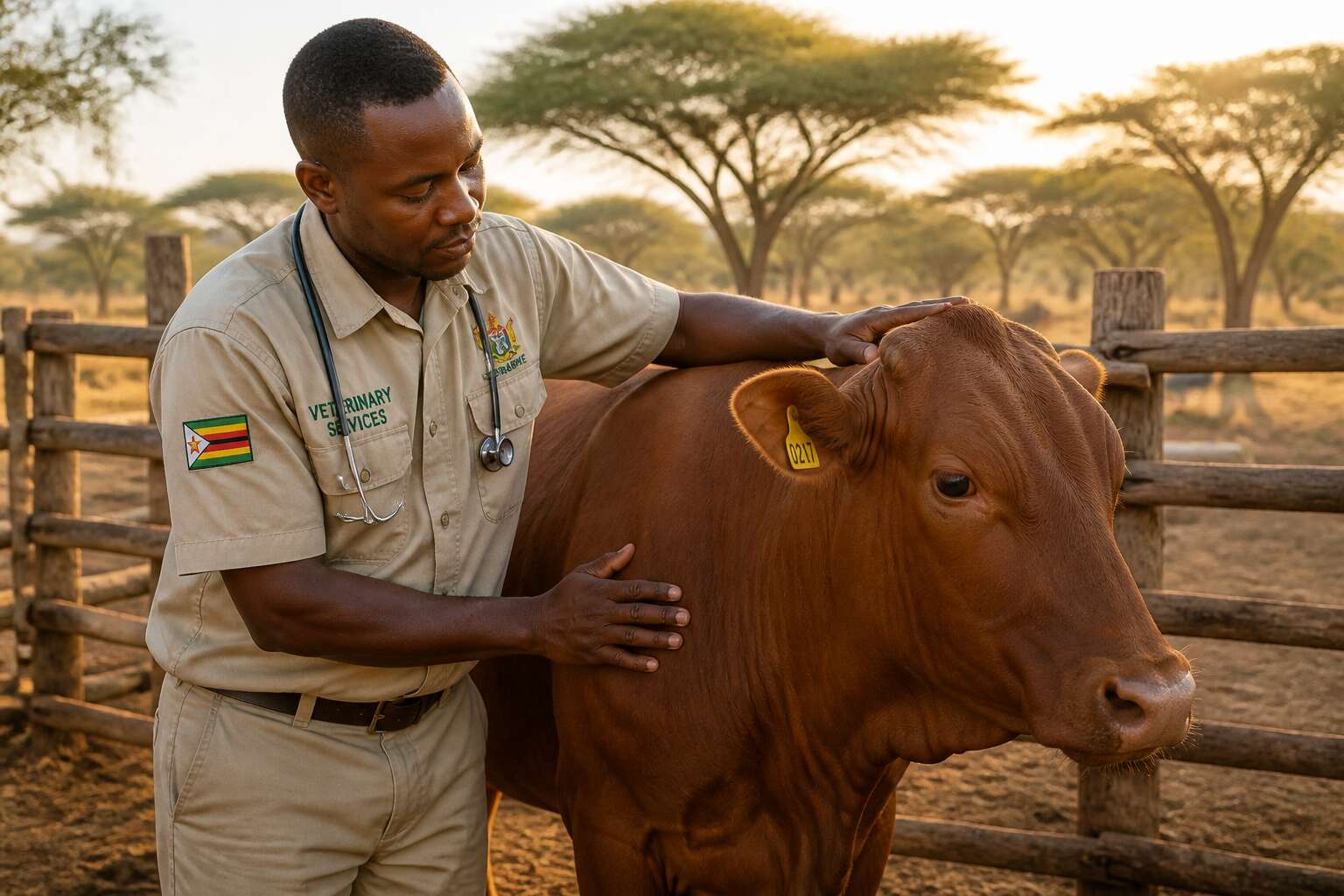
The Landscape of Animal Healthcare in Zimbabwe
Urban vs Rural Access to Pet Care
Harare’s pet owners enjoy a spectrum of choices, from corporate clinics in Borrowdale to independent practitioners in Msasa. Walk into any of these facilities and you will find digital radiography and surgical suites. The capital alone supports dozens of registered practices with round-the-clock emergency care.
Rural Zimbabwe tells a different story. In my experience, veterinary services zimbabwe reach far beyond the cities, but infrastructure thins considerably once you leave major urban centres. Mobile vaccination clinics operate seasonally, yet routine consultations remain scarce in provinces like Matabeleland North. Livestock owners receive more attention than pet guardians, since cattle drive the rural economy.
The disparity shapes how animals are cared for:
– Urban pets benefit from annual wellness exams
– Rural pets receive treatment only when illness becomes obvious
– Rural veterinarians work as generalists covering vast territories
A farmer in Binga may drive four hours each way for a consultation a Harare resident reaches in fifteen minutes. This geographical split creates two distinct standards of animal healthcare within one nation.
Major Private Practice Networks
In Zimbabwe, the private veterinary sector is a constellation of established players and independent visionaries. Corporate groups have expanded their footprint across Harare and Bulawayo, standardising care protocols and investing heavily in advanced diagnostic imaging. These networks operate with a business precision that guarantees consistent service quality for their clientele. One major group alone employs over forty veterinarians nationwide, a number that transforms the accessibility of specialised care within city limits.
The services offered by these major networks typically include:
– 24/7 emergency and critical care units
– Specialist referral pathways for orthopaedics and ophthalmology
– In-house laboratories for rapid pathology results
Beyond the corporates, the landscape is dotted with legacy practices that have served communities for decades. These independent clinics often hold the trust of multi-generational pet families and focus on a highly personalised approach. For those seeking comprehensive veterinary services zimbabwe, the private sector remains the primary engine of innovation and capacity. The concentration of specialists in Harare’s northern suburbs is particularly notable, though satellite branches are slowly extending their reach towards growing towns like Chinhoyi and Marondera.
Public Veterinary Institutions and Rescue Centres
The state’s hand in animal welfare is a quieter, more shadowed presence. Public veterinary services Zimbabwe institutions, often operating from ageing colonial-era buildings, grapple with limited budgets against vast, porous borders. Their primary task is not the pampered house pet, but the great herds that feed a nation.
– Disease surveillance for foot and mouth and other transmissible plagues
– Rabies control in peri-urban districts, where stray populations surge
– Quarantine and certification for cross-border livestock trade
These government vets are frequently the last line of defence for rural farmers who cannot afford private clinics. Yet their resources are threadbare and their reach is stretched thin.
The rescue centres, by contrast, operate on a desperate kind of alchemy, transforming donated scraps and volunteer hours into second chances. They are the true underworld of veterinary services Zimbabwe, where the abandoned, the broken and the wild find a brief respite from their suffering. One can find the whole range of creatures, from a discarded pup to a captured reptile, each awaiting a verdict on their fate. These sanctuaries rely on the quiet persistence of their staff, who work tirelessly to mend bodies and spirits before another is brought to the door.
Specialized Veterinary Services for Different Animals
Companion Animal Medicine for Dogs and Cats
A schnauzer with a heart murmur and a rescue cat with a fractured jaw. These patients need more than a general checkup. Companion animal medicine in Zimbabwe has moved beyond basic vaccinations, offering advanced diagnostics and surgical care tailored specifically to dogs and cats.
Specialist veterinarians now manage complex conditions, from oncology to orthopedics. They use ultrasound, endoscopy, and modern anesthetic protocols. This matters because pets live longer, and owners expect better outcomes. The depth of care available rivals that of many regional centres.
When searching for veterinary services zimbabwe, you will find practices that separate canine and feline wards. This reduces stress and improves recovery. Some clinics offer:
- Dental prophylaxis and root canal therapy
- Chemotherapy protocols for lymphoma
- Advanced fracture repair using locking plates
These specialized options change what is possible for a beloved pet.
Large Animal and Livestock Health Management
In Zimbabwe, the rhythm of the farm often dictates the rhythm of life. Caring for a herd of cattle or a flock of goats is a different undertaking than treating a household pet. The stakes are higher, as the health of these animals directly impacts livelihoods and food security. Veterinary services zimbabwe are essential for managing the complex health needs of livestock, ensuring both productivity and animal welfare.
Large animal practice extends far beyond treating a single sick animal. It involves understanding herd dynamics, nutrition, and the economic realities of farming. The focus is on preventative care and managing the health of an entire population. This approach helps to control disease outbreaks before they take hold. A farmer’s call for help is often a call to safeguard their entire investment.
Key elements of a robust livestock health program include:
1. Routine vaccination schedules for endemic diseases like blackleg and anthrax.
2. Strategic deworming protocols tailored to the specific season and pasture conditions.
3. Herd health planning for optimal reproductive efficiency.
4. Nutritional advice and mineral supplementation to prevent metabolic disorders.
Herd health management also requires regular monitoring for signs of disease. A sudden drop in milk yield or a change in feeding behavior can be the first indications of a systemic problem. I have seen how a quick diagnosis can save a prized dairy cow, protecting a family’s primary source of income. This level of attention demands a veterinarian who is willing to travel and who understands the unique pressures of Zimbabwean agriculture, including the need for reliable veterinary services zimbabwe that reach beyond the city limits. It is a partnership built on trust, where the vet’s knowledge becomes the farmer’s greatest asset in navigating the challenges of the season.
Equine Veterinary Care and Performance Medicine
An equine athlete is a being of muscle, breath, and will. In Zimbabwe, where polocrosse and racing stir the dust, performance medicine demands more from a veterinarian than a steady hand. It requires reading biomechanics, airway dynamics, and the quiet signals of lameness. I have watched a thoroughbred find its stride again after weeks of assessment. That moment holds a particular magic.
Specialized care often includes:
- Gastric ulcer diagnostics and treatment
- Dynamic respiratory endoscopy
- Joint therapy and regenerative medicine
- Dental equilibration
These services, part of the broader veterinary services zimbabwe, can reshape a horse’s entire career. Every equine patient is an individual, and the art lies in hearing what the body cannot say. In the highveld, a lame polo pony can mean a lost season.
Wildlife Veterinary Services and Conservation
Wildlife medicine in Zimbabwe demands a different vocabulary. A vet here must read dung for parasites, measure cortisol from a single dart, and detect the signs of a poisoned waterhole. My work with orphaned antelope and rehabilitated raptors has shown me that veterinary services zimbabwe reach beyond the clinic door.
Conservation practice involves:
- Chemical immobilization for translocation
- Disease surveillance at habitat boundaries
- Postmortem diagnostics for mortality events
Each procedure affects entire ecosystems. When a collared lioness succumbs to canine distemper, the loss alters prey dynamics. That is why precision matters. That is why we train local rangers in field response. The wild is not a patient we can cage. It is a system we must serve.
Exotic Pet and Avian Veterinary Support
Avian and exotic pet cases in Zimbabwe rarely follow textbook trajectories. A Senegal parrot with self-mutilating behaviour, a green iguana with renal gout, a hedgehog with mite infestation. Each species presents a distinct metabolic physiology, and veterinary services zimbabwe must adapt diagnostic reasoning accordingly.
I observed this first-hand during a consultation where a cockatoo’s lethologica, its inability to recall a learned phrase, proved to be the earliest sign of lead toxicity. That level of clinical intimacy demands equipment which is slowly infiltrating Harare and Bulawayo practices. Endoscopic sexing, RIT fractionation, and targeted antiparasitic regimens are no longer foreign concepts.
- Anaesthetic circuits designed for birds
- Digital radiography with magnification
- In-house microbiology for zoonotic pathogens
The field’s growth mirrors a broader shift in this sector, moving from agrarian utility toward species-specific medicine.
Selecting the Right Veterinary Provider in Zimbabwe
Credentials, Licensing, and Professional Accreditation
In a country where animal care ranges from urban clinics to remote conservancies, the distinction between qualified and unqualified providers can mean the difference between recovery and tragedy. When evaluating veterinary services Zimbabwe, the first step is verifying professional standing rather than comparing prices.
The Veterinary Medical Council of Zimbabwe regulates all practising veterinarians. Every legitimate provider must hold current registration with this body. Without it, a practitioner operates illegally, regardless of experience or reputation. Ask to see the registration certificate. A reputable clinic displays it prominently or provides it upon request.
Professional accreditation extends beyond individual vets. Well-established practices maintain membership with the Zimbabwe Veterinary Association, which requires adherence to a strict code of conduct and continuous professional development. These affiliations signal a commitment to standards that informal operators simply cannot match.
When assessing a provider, look for these indicators:
– Current Veterinary Medical Council registration
– Zimbabwe Veterinary Association membership
– A physical practice address that matches official records
– Willingness to discuss qualifications openly
A provider who hesitates when asked about credentials raises immediate concerns. The verification process takes minutes and protects both you and your animal from substandard care. For reliable veterinary services Zimbabwe, credential checks should always precede treatment decisions.
Facility Capabilities and Diagnostic Equipment
The gap between a basic consult and a genuine diagnosis often lies in the equipment a facility has invested in. Many practices in Zimbabwe offer excellent clinical judgement, but without the tools to confirm it, they rely on guesswork. For veterinary services Zimbabwe, the presence of in-house diagnostic technology is a strong signal of a practice’s commitment to accuracy. Ultrasound machines, digital radiography, and haematology analysers are not merely status symbols. They are essential for detecting conditions that present with vague symptoms, such as pancreatitis or early kidney disease.
When you visit a clinic, take note of the physical space. A facility that separates its waiting room from its treatment area shows an understanding of infection control. Look for a dedicated prep area for surgical procedures. Observe whether the staff handles animals with patience or with haste. These operational details reveal more about the standard of care than any brochure ever could. The best facilities actively use their technology, which means faster results and fewer repeat visits for your animal.
A useful checklist for assessing facility readiness includes:
– On-site laboratory capabilities for blood work and parasite screening.
– Availability of portable imaging for horses or large animals.
– A sterile theatre suite reserved exclusively for surgical operations.
– Proper anaesthetic monitoring equipment, such as pulse oximeters.
A practice cannot manage an emergency if its diagnostic tools are outdated or non-existent. For critical cases involving bloat or a foreign body obstruction, time is the most valuable resource. A clinic that must send samples to another city for analysis introduces a dangerous delay. The most effective veterinary services Zimbabwe providers invest in their infrastructure to offer complete care under one roof. Ultimately, the building and its contents reflect the standard of medicine you can expect. Choose a provider whose physical capabilities match the quality of its reputation.
Telemedicine and Remote Consultations
Distance has always complicated animal care in Zimbabwe. A farmer in Matabeleland North may drive six hours to reach a specialist. Telemedicine addresses this directly. Video consultations let a veterinarian assess visible symptoms, guide an owner through a physical examination, and decide whether a farm visit is urgent. For veterinary services zimbabwe, this technology extends professional reach into areas where full time veterinary presence remains scarce.
Remote consultations work best when paired with local support. A community health worker can perform basic checks under direction. We have seen this layered approach reduce unnecessary travel while ensuring emergencies still get prompt attention. Providers offer structured telemedicine triage, where you send photos and a history, then receive a callback with a care plan.
Remote monitoring matters for chronic conditions like epilepsy or arthritis. Medication adjustments require observation over time, and a structured online review offers this without a stressful clinic visit.
Client Reviews and Referral Networks
Client reviews and referral networks determine who actually gets your call. In Zimbabwe, a review from a neighbour often outperforms any advertisement. But reviews can mislead. A single bad day becomes a permanent verdict. A competitor’s spite becomes a one star smear. So treat each review as a data point, not a conclusion.
Referral networks ground you in reality. Ask a livestock extension officer which vet handles dystocia calmly. Ask a groom about a farrier’s punctuality. These voices matter because they have no incentive to flatter.
When evaluating veterinary services Zimbabwe, apply this checklist:
- Check whether the reviewer owns the species you treat
- Look for patterns across multiple platforms
- Validate referrals with the Veterinary Council of Zimbabwe
The most honest signal remains a quiet conversation over a fence line. Reviews open the door; referrals walk you through it.
Common Health Challenges Addressed by Local Veterinarians
Endemic Parasites and Tick-Borne Diseases
The summer rains in Zimbabwe bring a specific dread to every stable and kennel. It is not the mud or the humidity that worries a seasoned practitioner, but the invisible tide of parasites that awakens with the moisture. Tick-borne diseases remain the most formidable adversaries in this landscape, with theileriosis and babesiosis posing a constant threat to both livestock and companion animals. Ehrlichiosis, transmitted with a silent, swift precision by the brown ear tick, frequently presents in veterinary clinics with symptoms that mimic many other ailments, demanding a sharp clinical eye. The mortality rate is unforgiving if treatment is delayed, particularly for canines with no prior exposure.
Beyond the tick, a host of endemic parasites lies in wait to compromise animal health.
– Heartworm, carried by mosquitoes, is a growing concern in the wetter, warmer regions of the country.
– Hookworms and roundworms exploit the soil, particularly in peri urban areas where dogs roam freely.
– The elusive bilharzia parasite can affect animals that drink from untreated water sources along the Zambezi basin.
This parasitic pressure creates a cycle where routine prevention is not merely a recommendation, but a lifeline. Local veterinarians have become adept at navigating these threats, utilising acaricide dips and strategic deworming protocols tailored to the specific seasonal peaks of each region. As climate patterns shift, the vector populations are expanding their reach, making the knowledge of local practitioners essential. The best veterinary services Zimbabwe can offer are those that understand this shifting geography of disease, anticipating outbreaks before they arrive on the examination table. The careful, consistent management of these ecological threats is the quiet, unglamorous work that sustains the health of the nation’s herds and households.
Viral Outbreaks and Vaccination Protocols
A single unvaccinated dog can ignite a distemper outbreak that ripples through a community within weeks. That brutal reality keeps vaccination protocols at the forefront of practice. Veterinary services Zimbabwe rely on these protocols to stop viral spread before it reaches the examination table. Local veterinarians balance maternal antibody interference with the urgency of early protection, concentrating on parvovirus, adenovirus, and rabies. The schedules are not generic; they are calibrated against regional disease pressure.
- Canine distemper virus targets the respiratory and nervous systems.
- Parvovirus strikes young puppies with alarming speed.
- Rabies remains a zoonotic threat requiring strict annual boosters.
The shift towards herd immunity is gaining ground. Instead of waiting for individual cases, clinics now coordinate mass vaccination drives in high density suburbs and farming communities. Cold chain logistics, a fragile element in hot climates, determine vaccine efficacy. The best veterinary services Zimbabwe offers track each animal’s timeline, because a vaccine given late becomes a calculated risk.
Nutritional and Reproductive Management Issues
Nutritional imbalances and reproductive inefficiency account for a large portion of routine consultations. A show dog on table scraps and a stud bull carrying excess condition end up in the same examination room. Local veterinarians assess body condition scores, ration formulations, and breeding histories to pin down the root cause.
- Obesity masking early joint disease in companion animals
- Mineral deficiencies lowering conception rates in beef herds
- Silent heats or mismating in bitches and queens
Reproductive management goes further than natural service. Progesterone assays, artificial insemination timing, and pregnancy diagnosis are standard tools. Veterinary services Zimbabwe rely on these measures to protect herd genetics and reduce dystocia cases. The approach stays practical and outcome focused.
Surgical and Orthopedic Procedures
A torn cruciate ligament in a boerboel and a fractured metatarsal in a working horse often share the same theatre. Surgical caseloads across the region reveal a steady pattern of trauma repairs, wound debridement, and foreign body removals.
Local surgeons frequently perform osteosynthesis for long bone fractures, especially in livestock and companion animals. They also address chronic conditions:
- Patellar luxation in small breeds
- Coxofemoral luxation following road accidents
- Osteoarthritis management with joint lavage
These orthopedic procedures demand precise imaging and preoperative planning. Veterinary services Zimbabwe have evolved to handle such complexity, although referral networks remain concentrated in major cities.
Emergency and Trauma Care Protocols
Road accidents rank among the most frequent reasons for emergency presentations in Zimbabwe. The call usually comes late afternoon, a driver reporting a dog hit near the industrial site or a goat struck on the rural feeder road. Triage begins over the phone in many cases. The attending veterinarian must assess whether the animal can be moved safely or if a farm visit is more prudent. Time is a scarce commodity in these moments, and the decision to stabilise on site versus transport to a clinic can determine the outcome.
Emergency protocols extend beyond the obvious trauma cases. Snakebite envenomation, bloat in large breed dogs, and acute gastric torsion require immediate, decisive action. The challenge in the Zimbabwean context is often the distance to a fully equipped facility. Rural practitioners carry field kits for fluid therapy and initial stabilisation before referral becomes necessary. Many veterinary services zimbabwe now provide clear emergency contact channels, yet the reality remains that after hours cover depends heavily on the individual practitioner’s willingness to respond.
A typical emergency caseload includes several recurring presentations. The most common include:
– Toxin exposure from household chemicals or agricultural pesticides
– Hit by car incidents with pelvic or thoracic injuries
– Dystocia in cattle and small ruminants requiring manual intervention
– Canine parvovirus cases in unvaccinated puppies, often presenting with severe dehydration
– Porcupine quill injuries in hunting dogs, which necessitate sedation and careful extraction
The financial aspect of emergency care creates difficult conversations. Owners often face a choice between a costly surgical intervention and palliative care. It is a sobering reality that humane euthanasia becomes a viable option in cases where the prognosis is guarded and the owner lacks resources. The veterinarian’s role extends to counselling and providing a clear-eyed assessment without judgement. This is where trust in veterinary services zimbabwe becomes most critical. A practitioner who communicates honestly about costs and survival probabilities earns lasting loyalty from clients who appreciate transparency during moments of distress.
Navigating Costs, Insurance, and Mobile Services
Price Ranges for Consultations and Procedures
Consultation fees for veterinary services Zimbabwe range from USD 15 at smaller practices to USD 60 at specialist clinics in Harare and Bulawayo. Surgical procedures command steeper pricing. A routine spay costs between USD 80 and USD 150 depending on equipment and staffing levels.
Within veterinary services Zimbabwe, insurance penetration remains thin among local pet owners. A handful of providers now offer accident and illness cover, though most clients still pay cash. Mobile veterinarians charge a travel fee of USD 20 to USD 45, then apply standard consultation rates on top. This model expands access for clients outside urban centres.
- Consultation: USD 15 to USD 60
- Spay or neuter: USD 80 to USD 150
- Travel fee: USD 20 to USD 45
- Emergency callout: USD 50 to USD 100
Written estimates before procedures remain uncommon. Pricing can vary significantly between clinics even within the same city.
Pet Insurance and Payment Plans
Pet insurance across veterinary services Zimbabwe remains a rarity. Fewer than one in ten owners carry a policy, and most Harare clinics still demand cash. That leaves an owner facing a USD 400 emergency surgery with little time to negotiate.
Some practices now offer payment plans. These are informal, usually requiring a 50% deposit before treatment starts. Others allow staggered payments for chronic conditions such as babesiosis or tick fever. Mobile vets fold their travel fee into the first consult, which reduces the upfront cost for rural clients.
Mobile and Home Visit Veterinary Clinics
A call-out fee of USD 35 sounds modest, until you realise it excludes the examination. Most mobile practitioners charge a separate consult fee of USD 20 to USD 50, and distance alters the final figure. Request a written estimate before the vet leaves the clinic.
Mobile clinics have expanded veterinary services Zimbabwe in unexpected ways. A single vehicle delivers vaccines, blood smear tests for tick fever, and wound suturing at the roadside. Yet these units carry limited medication stock. Chronic conditions require follow-up visits, which multiplies travel costs.
Compare home visits with clinic attendance for routine procedures:
- Annual vaccinations: cheaper at a clinic
- Geriatric assessments: better at home
- Emergency stabilisation: clinic, always
- Euthanasia: home, for the animal’s comfort
For a farmer with ten goats, one call-out covering the herd costs less than ten individual consults. For a city cat, the stress of travel may justify the extra fee. Owners comparing veterinary services Zimbabwe should request itemised invoices from each provider.
Government Subsidies or NGO Support for Livestock
In certain districts, government subsidies and NGO support reshape how livestock owners pay for veterinary services Zimbabwe. Public funding covers dipping campaigns and vaccine cold chains, while private clinics handle the rest. A rancher may receive free tick vaccines but pay a full consult fee for the administration. Insurance policies for cattle or goats rarely account for these mixed funding streams.
Claims are rejected when an NGO voucher covers part of the treatment. Owners must reconcile three separate bills: the subsidised program, the insurance excess, and the private practice fee. Emergency call-outs often fall outside every scheme.
For those relying solely on donor-funded outreach, district schedules decide when a vet appears. In my experience, that timing rarely matches calving seasons or parasitic peaks.
Preventative Care Packages and Long-Term Plans
Budgeting for animal health in Zimbabwe requires a different mental model than comparing price lists. The cost of a single consult matters less than the annual outlay across providers. A preventative care package, even when expensive upfront, absorbs the administrative friction of reconciling vouchers, insurance excesses and private fees.
Mobile services add another variable. A herd visit combining vaccination, deworming and hoof care can cost less than three separate trips. Owners should ask if their veterinarian bundles these into a seasonal schedule.
- Fixed monthly plans for check-ups and parasite control
- Per-animal packages for breeding stock with annual bloodwork
- Emergency fund add-ons for after-hours calls
Long-term plans in veterinary services Zimbabwe work best when matched to the local calendar. For those relying on mobile units, timing matters as much as price. A plan synced with calving or lambing seasons reduces separate emergency payments, which is where veterinary services Zimbabwe providers earn their keep.
0 Comments