
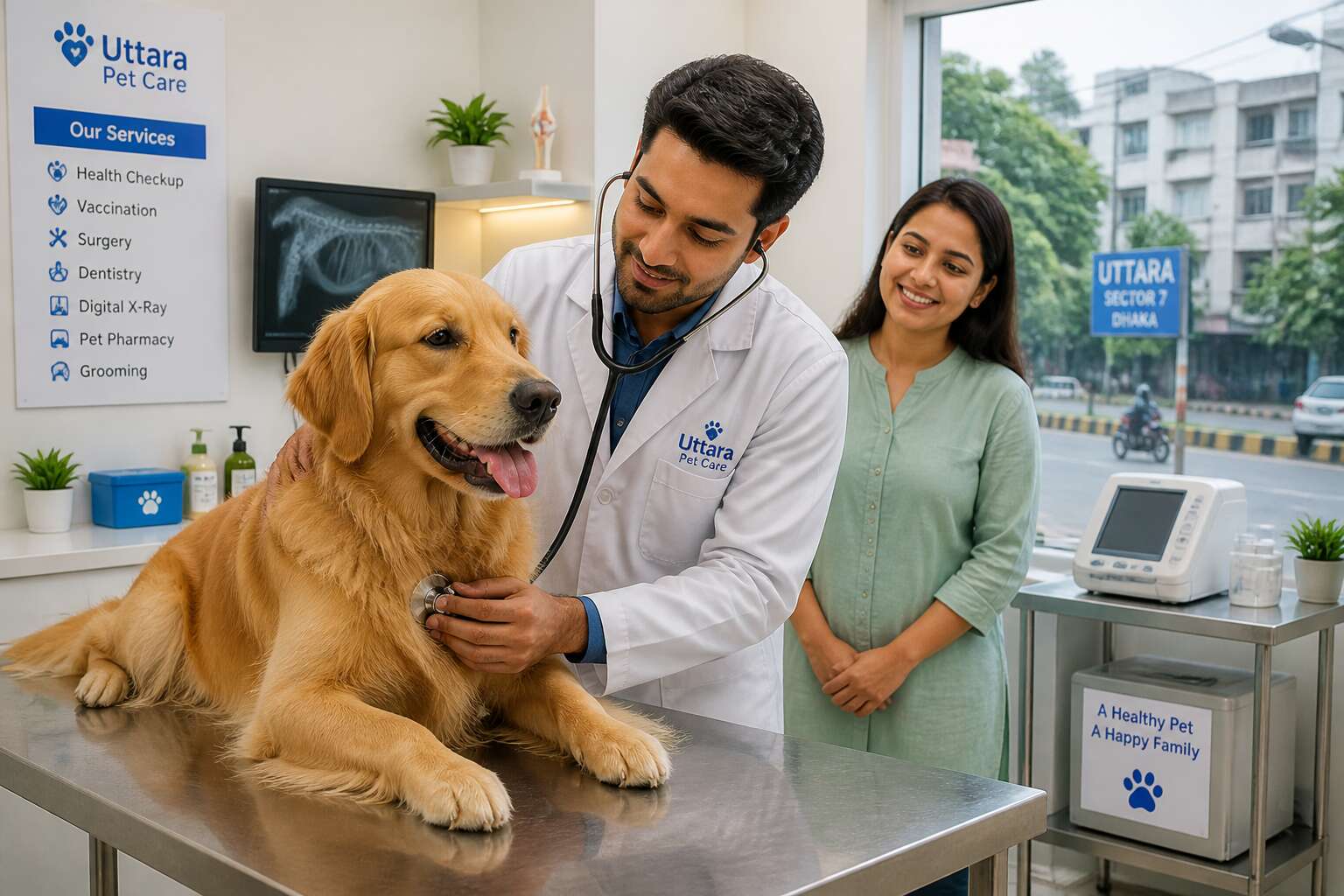
Key Factors to Consider When Selecting a Veterinary Clinic
Location and Accessibility in Uttara
Location is an overlooked factor in your pet’s healthcare. A vet clinic uttara may have excellent veterinarians, but its position in the neighbourhood dictates whether you arrive composed or frantic. For residents of Uttara, the daily commute already requires patience. Adding an anxious animal to that routine changes everything.
Accessibility involves more than distance. Parking spaces disappear quickly near busy clinics. Footpaths often have cracks or obstacles. Public transport, including rickshaws and buses, rarely suits a pet carrier.
- Distance from your home
- Traffic density at different hours
- Walking routes for dogs
- Access for elderly or disabled pet owners
These factors influence every visit. A clinic that is difficult to reach discourages regular checkups. Convenience therefore supports preventive care.
Qualification and Experience of Veterinarians
Veterinary science moves quickly. A practitioner who relies on outdated protocols can miss subtle signs of renal failure or cardiac disease. The qualification of the veterinarian carries more weight than the clinic’s appearance.
At a vet clinic uttara, the clinical experience of the staff determines outcomes. Look for evidence of continued education, surgical logs, and case complexity. I have seen new graduates handle routine vaccinations with confidence, but struggle with emergency laparotomies. That gap matters!
Consider these signals of expertise:
- Registration with a statutory veterinary council
- Published case reports or research contributions
- Advanced certifications in orthopaedics or dermatology
The best veterinarians never hide their credentials. They display them, discuss them, and use them in every consultation.
Range of Diagnostic and Treatment Facilities
Diagnostic capability separates a clinic that guesses from one that knows. A vet clinic uttara with in-house laboratory services can differentiate between pancreatitis and gastroenteritis within minutes, not days. That speed changes outcomes, and the owner feels that difference in the waiting room.
Radiology is another benchmark. Digital radiography with proper positioning and interpretation skills matters more than the machine’s price tag. Ultrasound adds a further dimension, allowing real-time assessment of cardiac function or abdominal fluid. The best vet clinic uttara facilities integrate these tools into routine practice, not only for emergencies.
Consider the treatment infrastructure:
– Separate isolation wards for infectious cases
– Oxygen supplementation systems for respiratory distress
– Fluid therapy protocols tailored to individual patients
These facilities indicate a practice prepared for complexity. When a clinic lacks basic monitoring equipment, even the most skilled veterinarian operates at a disadvantage. The physical infrastructure either amplifies clinical judgment or undermines it. There is a quiet moral weight to this: an animal’s life can rest on whether the right tool exists in that room.
Reviews and Recommendations from Pet Owners
Word of mouth remains the most reliable measure of a practice’s daily reality. In a survey of pet owners, over 70 percent selected their vet based on another owner’s recommendation. That statistic holds true for a vet clinic uttara, where reputation travels through parks and apartment lobbies.
For online reviews, look for patterns. One complaint about long waits is noise. Five separate comments about rushed consultations is a warning. The best testimonials mention specific details. A vet who called the next morning to check on a recovering pet. A technician who remembered a nervous dog’s name. Those small moments reveal the staff’s genuine attitude.
- Complaints that mention specific staff members by name
- Responses from the clinic that show accountability
- Reviews from owners with senior or special needs pets
A responsive community, not a polished website, tells the truth about a vet clinic uttara. Trust follows when people feel genuinely heard. That is the real test.
Core Medical Services Provided by Local Animal Hospitals
Routine Health Checkups and Physical Exams
A pet’s annual checkup is more than a quick scratch behind the ears. It’s a systematic once-over that catches problems before they become expensive. At your vet clinic uttara, we focus on the basics. We check weight, temperature, and heart rate. We examine the eyes for cataracts, the ears for mites, and the teeth for tartar. Palpation of the belly reveals any unusual growths. For active dogs, joint evaluation helps predict mobility issues. A typical visit includes:
- Full physical from nose to tail
- Vaccination status review
- Parasite screening
- Dietary consultation
This routine creates a health record. Changes from year to year become obvious. That’s how we keep your companion ticking smoothly.
Vaccination Programs for Dogs and Cats
Vaccination programs are central to preventive veterinary medicine. At vet clinic uttara, we follow protocols aligned with South African conditions. Core vaccines for dogs cover canine distemper, parvovirus, and adenovirus. For cats, panleukopenia, calicivirus, and herpesvirus are essential. Rabies vaccination is legally required in most provinces.
A typical puppy or kitten series begins at 6 to 8 weeks. Boosters follow every 3 to 4 weeks until 16 weeks. Adult pets need revaccination every 1 to 3 years. We assess lifestyle risk. A hunting dog or free-roaming cat may need extra coverage. We do not push unnecessary shots.
Each vaccination visit at vet clinic uttara includes:
- a health screen before the injection
- batch number and expiry date recording
- a clear timeline for the next booster
Vaccines only work when stored and administered correctly. We maintain cold chain integrity. We use single-dose vials where possible. That reduces waste and contamination risk.
Surgical Procedures and Post-Operative Care
Every surgical case at vet clinic uttara begins with a thorough risk assessment. We perform soft tissue procedures, orthopaedic repairs, and emergency surgeries. Each patient receives an individualised anaesthetic plan aligned with South African veterinary standards. Vital signs are monitored continuously. Pain management starts before the first incision. Post-operative care is equally rigorous. We hospitalise patients for observation and provide owners with detailed discharge instructions.
Our approach to recovery includes:
- daily wound checks during hospitalisation
- tailored medication schedules
- clear guidance on activity restrictions
- scheduled follow-up consultations
The operating theatre at vet clinic uttara maintains strict sterility. We document every step of the procedure. Owners receive a full report on what was done and what to expect. Bandage changes and drain management are handled with care. Recovery at home is supported by phone consultations whenever questions arise. We also coordinate with referring veterinarians when continuity of care matters. Every surgical protocol is reviewed regularly against current best practice. Our commitment is to a safe and comfortable recovery from admission to full healing.
Dental Care and Oral Hygiene
Eighty percent of dogs over age three carry some form of periodontal disease, yet few owners have ever inspected a single molar. The mouth is a gateway. Bacteria from infected gums can reach the heart, kidneys, and joints. Dental care at a local animal hospital prevents that chain of events.
At vet clinic uttara, the dental protocol includes:
- pre operative blood work to assess anaesthetic safety
- full mouth scaling and polishing under general anaesthesia
- dental radiographs to expose hidden root abscesses
- treatment for gingival pockets and oral lesions
We measure every pocket and document each finding. Your pet receives a tailored aftercare plan with pain relief and home hygiene guidance. The goal is to stop unseen pain before it becomes systemic illness. If more than a year has passed since your companion’s last dental assessment, ask our team at vet clinic uttara about scheduling one. Your pet’s comfort depends on it!
Dermatology and Allergy Management
Skin conditions account for nearly a quarter of all veterinary consultations. Chronic itching often signals underlying allergies that worsen without intervention. At vet clinic uttara, dermatology goes beyond prescribing a single cream. Our approach identifies triggers through intradermal testing and elimination diets.
Allergy management requires patience. We document each flare pattern and response to treatment. For pets with atopic dermatitis, we combine immunotherapy with targeted topical care. The clinic also treats bacterial and fungal infections that complicate allergic skin.
- Seasonal environmental allergens
- Food sensitivities with delayed onset
- Contact reactions from household chemicals
Each case receives a written plan that adjusts as symptoms evolve. We monitor progress through follow up consultations, ensuring the skin barrier heals completely. A pet that stops scratching becomes a different animal entirely!
Nutritional Counseling and Weight Management
Core medical services at a local animal hospital go beyond episodic treatment. Internal medicine, emergency stabilization, and chronic disease monitoring occupy most of the daily caseload. At vet clinic uttara, we manage endocrine disorders, renal insufficiency, and cardiac conditions requiring long term care. These cases demand consistent bloodwork, imaging, and medication adjustments. The hospital environment provides supervised care that home treatment cannot replicate.
Nutritional counseling and weight management are equally vital. Obesity in pets contributes to arthritis, diabetes, and reduced lifespan. A structured feeding plan considers life stage, activity level, and metabolic quirks. We measure body condition scores and adjust portions. Interventions include:
- Prescription diets for renal support
- Calorie controlled regimens for weight loss
- Joint and coat supplements
Weight loss happens with monthly check ins. A pet that sheds excess kilograms gains mobility and vitality. The vet clinic uttara team tracks each patient’s progress, refining the approach when plateaus occur.
Understanding Emergency and Critical Care Options
Signs That Your Pet Needs Immediate Attention
A pet can slip from stable to critical in minutes. Emergency medicine operates on speed and precision. At a vet clinic uttara, teams are equipped to triage cases the moment you walk through the door. Recognising the warning signs before you travel is what saves lives.
Look for changes that break normal patterns. These are not subtle cues:
- Labored breathing with cyanotic gums
- Repeated vomiting or bloody diarrhoea
- Sudden collapse or inability to stand
- Seizures lasting longer than two minutes
- Uncontrolled bleeding or visible trauma
Delaying by an hour can shift a treatable condition into a dire one. Critical care teams provide oxygen therapy, intravenous fluids, and continuous monitoring the moment a pet arrives, giving you a fighting chance when minutes matter most.
24/7 Emergency Services and Response Times
At a vet clinic uttara, emergency care compresses decisions into seconds. Response times are measured from the moment your vehicle stops. A triage nurse evaluates your pet’s breathing, pulse, and consciousness before any registration. That first pass determines whether oxygen therapy or IV fluids begin immediately. Critical care units run 24/7, with teams awake for nocturnal crises. What does a true emergency service include?
- Initial triage within five minutes
- Continuous monitoring for unstable patients
- Immediate access to surgical intervention
Response time varies with severity. A collapsed pet bypasses the queue entirely. Call ahead so staff can prepare a crash cart or an isolation bay. Each minute you spend on the phone is a minute lost! The philosophy remains unchanged: stabilise first, explain afterwards.
On-Site Laboratory and Imaging Capabilities
A blood test result can change a treatment plan in under ten minutes. At a vet clinic uttara, the difference between waiting for an external laboratory and having in-house diagnostics is measured in survival. When a pet arrives in crisis, the team needs answers immediately: electrolyte imbalances, organ function, blood clotting ability. These numbers guide fluid therapy and medication choices before the patient leaves the emergency bay.
On-site imaging adds another layer. Ultrasound reveals internal bleeding without an incision. Radiographs identify foreign bodies or lung changes in seconds. The equipment sits steps from the critical care ward, not in a separate building. That proximity shortens time between suspicion and confirmation.
- Blood count for infection or anaemia
- Biochemistry panels for kidney and liver function
- Electrolyte and glucose levels
These capabilities turn a vet clinic uttara into a diagnostic hub where critical decisions rest on live data rather than guesswork.
Intensive Care Unit and Hospitalization
Once a pet is stabilized, the real work begins. The intensive care unit at a vet clinic uttara is not quiet. Every heartbeat, breath, and urine output is tracked. Pets receive one-on-one nursing with continuous ECG, pulse oximetry, and blood pressure monitoring. Some need oxygen therapy. Others rely on infusion pumps delivering medication by the milliliter. Hospitalization lets the team adjust treatments around the clock.
Admission to ICU follows strict criteria. Severe trauma, septic shock, acute kidney failure, postoperative recovery, and respiratory distress all qualify. The team watches for subtle changes: gum discoloration, a temperature drop, a shift in mentation. Owners get hourly updates. Understanding these critical care options means recognizing that a vet clinic uttara provides a continuum from emergency to recovery, sustained by protocol and vigilance.
Preventive Healthcare Plans for Your Pet
Importance of Regular Parasite Control
More than 70% of dogs in South Africa will face a parasite infection in their lifetime. That statistic is enough to make any pet owner pause! A vet clinic uttara offers preventive healthcare plans that turn scattered treatments into a single, manageable system.
These plans bundle deworming and flea and tick prevention into one predictable cost. I have watched owners skip protection because of unexpected bills, then pay triple for emergency care later. A plan removes that hesitation.
Parasite control forms the basis of any prevention strategy. Fleas, ticks, and internal worms transmit diseases like biliary fever and hookworm. Common threats include:
- Fleas and ticks
- Heartworm
- Roundworm and tapeworm
A well designed plan ensures your pet stays ahead of these risks without you chasing appointments.
Customized Vaccination Schedules
I have seen too many pets under-vaccinated because of fixed schedules. A young indoor cat faces different threats than a senior dog who roams the garden. That is why preventive healthcare plans at a vet clinic uttara prioritize customized vaccination schedules. Instead of a generic timeline, your veterinarian assesses lifestyle, travel habits, and local disease patterns. This tailored approach ensures immunity when it matters most.
Consider the factors that shape these schedules:
- Age and breed
- Exposure to other animals
- Geographic location within South Africa
Adjusting boosters and core vaccines becomes a shared decision. Each visit refines the schedule based on new exposure risks.
Early Detection Through Blood Tests
Your pet can’t fill out a medical history form, but their blood can. Early detection through blood tests is a key part of preventive healthcare. At a vet clinic uttara, routine blood panels reveal issues before they become emergencies.
Common screenings include:
- Full blood count for hidden infections
- Biochemistry profile for organ function
- Electrolyte levels for hydration
A healthy animal often shows no symptoms, yet laboratory values reveal important information. I’ve seen cats with perfectly normal energy and advanced kidney disease. The blood work caught it first! Regular testing builds a baseline, making subtle changes obvious over time. That is the essence of prevention: acting before the body fails.
Lifestyle-Based Health Assessments
Preventive care thrives on specificity. A single generic wellness plan ignores how a pet actually lives. At a vet clinic uttara, lifestyle based assessments shape these plans. We ask about daily walks, time spent outdoors, and social interactions.
Consider the indoor cat versus the adventure hound. Their risks differ! Our team evaluates these factors to build a targeted protocol, including:
- Activity levels and joint stress
- Environmental exposure to parasites
- Behavioral cues that signal stress
This assessment informs everything from screening frequency to dietary adjustments. By aligning care with daily rhythms, we catch subtle shifts early. It feels less like a generic checkup and more like a personalized strategy. That is the true value of prevention at a vet clinic uttara.
Geriatric Care for Senior Pets
Senior pets age seven times faster than their owners. A one year gap in human terms is a seven year gap for them. That speed is why geriatric care cannot wait for problems to surface. At a vet clinic uttara, preventive plans are recalibrated once a pet enters its senior years.
The annual visit becomes a semi annual one. Each checkup builds a picture of decline, stability, or unexpected recovery. We track weight trends, joint mobility, and the small behavioural shifts that indicate pain. A structured geriatric plan at a vet clinic uttara typically includes:
- Pain assessment to catch osteoarthritis before it changes gait
- Cognitive screening for signs of dementia and disorientation
- Quality of life reviews that help owners make thoughtful decisions
These tools matter because senior pets are stoic. They endure. A thorough plan tracks the changes they hide, so quiet discomfort is never mistaken for simple old age.
Behavioral Consultations
Prevention is a conversation, not a prescription. At a vet clinic uttara, preventive healthcare plans are tailored to the pet’s actual life, not a generic calendar. These plans coordinate nutrition, parasite control, and screening schedules into one coherent strategy. Behavioural consultations address the part of health that does not show up on blood work. A dog that suddenly shreds the couch, a cat that stops using the litter tray, these are messages rather than misbehaviour. They are symptoms.
Behavioural consultations at a vet clinic uttara examine the triggers, the routine, and the environment. We look at how the household actually operates, who feeds the pet, who walks it, and what changed recently. Then we adjust.
A sensible preventive plan typically covers:
- A clear schedule for examinations and screenings
- A protocol for weight and mobility tracking
- A strategy for managing stress and environmental change
These two services, preventive planning and behavioural care, belong together. Physical health and mental health are not separate departments.
What to Expect During Your First Visit to a Vet in Uttara
Preparing Your Pet for a Stress-Free Experience
Your first appointment at a vet clinic uttara should not be intimidating. Arrive ten minutes early and let your pet explore the waiting area while you speak with the front desk. The veterinarian will ask about appetite, energy, and elimination habits before proceeding to the physical exam.
You can expect these checks:
- Weight and temperature
- Heart and lung sounds
- Skin and coat inspection
Keep your tone steady and offer treats at each step. The vet will explain findings plainly. No surprises, only clear communication.
Initial Consultation and Medical History Review
The first consultation at a vet clinic uttara begins long before the stethoscope comes out. Your veterinarian will sit with you, often at eye level with your pet, and piece together a thorough narrative of daily life. This initial consultation and medical history review is where subtle clues emerge. They might ask about your dog’s reaction to strangers or your cat’s drinking habits. These details matter. The information gathered here shapes every subsequent recommendation.
Expect requests for previous records, feeding schedules, and any past illnesses. Some vets use this time to note behavioral tendencies. Common enquiries include:
– How does your pet respond to car rides?
– Have you noticed any changes in thirst or urination?
– Are there household stressors, like new babies or renovations?
Honesty matters here. Even small observations can guide the vet’s focus. This dialogue builds trust. It transforms a routine visit into a meaningful conversation about your companion’s well being.
Physical Examination Procedures
The physical exam at a vet clinic uttara is where your pet’s body answers the questions you didn’t think to ask. It starts with a visual scan from across the room. The vet watches how your pet stands, walks, and breathes. Then the hands-on part begins with a head-to-tail sequence.
Here is the standard order:
1. Temperature and pulse are checked first, often with your pet squirming.
2. The eyes, ears, and mouth get a flashlight and a thorough peek.
3. The vet palpates the belly to feel the liver, kidneys, and intestines.
4. Joints and hips get a gentle twist to test for pain or stiffness.
Your role is to hold your pet and keep them calm. The vet will listen to the heart and lungs at some point. This entire process usually takes less than fifteen minutes, but it reveals volumes. Your cat may stage a protest, but the vet remains unfazed. At this vet clinic uttara, the physical exam pairs with the history review you just provided.
Common Diagnostic Tests Explained
Your first visit often feels like an interrogation, but the tests your vet runs are the real translators. At a vet clinic uttara, blood work forms the backbone of diagnosis. A complete blood count reveals anemia or infection, while a biochemistry panel checks organ function. Urinalysis is equally telling.
Typical diagnostic steps during the first visit include:
- Blood glucose and thyroid hormone measurements
- Fecal flotation to detect intestinal parasites
- Radiographs for suspected bone or chest issues
These tests take minutes, yet they shift the conversation from guesswork to evidence. You leave knowing exactly what your pet’s body is doing, not what you fear it might be doing.
Developing a Long-Term Care Plan
Roughly 40% of companion animals develop a chronic condition by middle age. The first visit to a vet clinic uttara is where that future is mapped, not merely measured. After the immediate diagnostics settle, the consultation shifts toward a long-term care plan tailored to your pet’s breed, age, and environment.
The veterinarian will review your pet’s daily rhythms, from sleep patterns to water intake, to identify risk thresholds. They might propose a structured schedule, such as:
- Quarterly weight and body condition scoring
- Seasonal parasite prophylaxis aligned with South African climate zones
- Twice-yearly dental assessments
This plan adapts with each season. Each follow-up at a vet clinic uttara refines it, adjusting for weight shifts or changes in behaviour. You leave with a written roadmap, but the real value is the conversation that shapes it. The vet asks about your home, your travels, your pet’s fears. The plan grows from those answers, not from a template. That is the difference between a checkup and a partnership.
0 Comments