
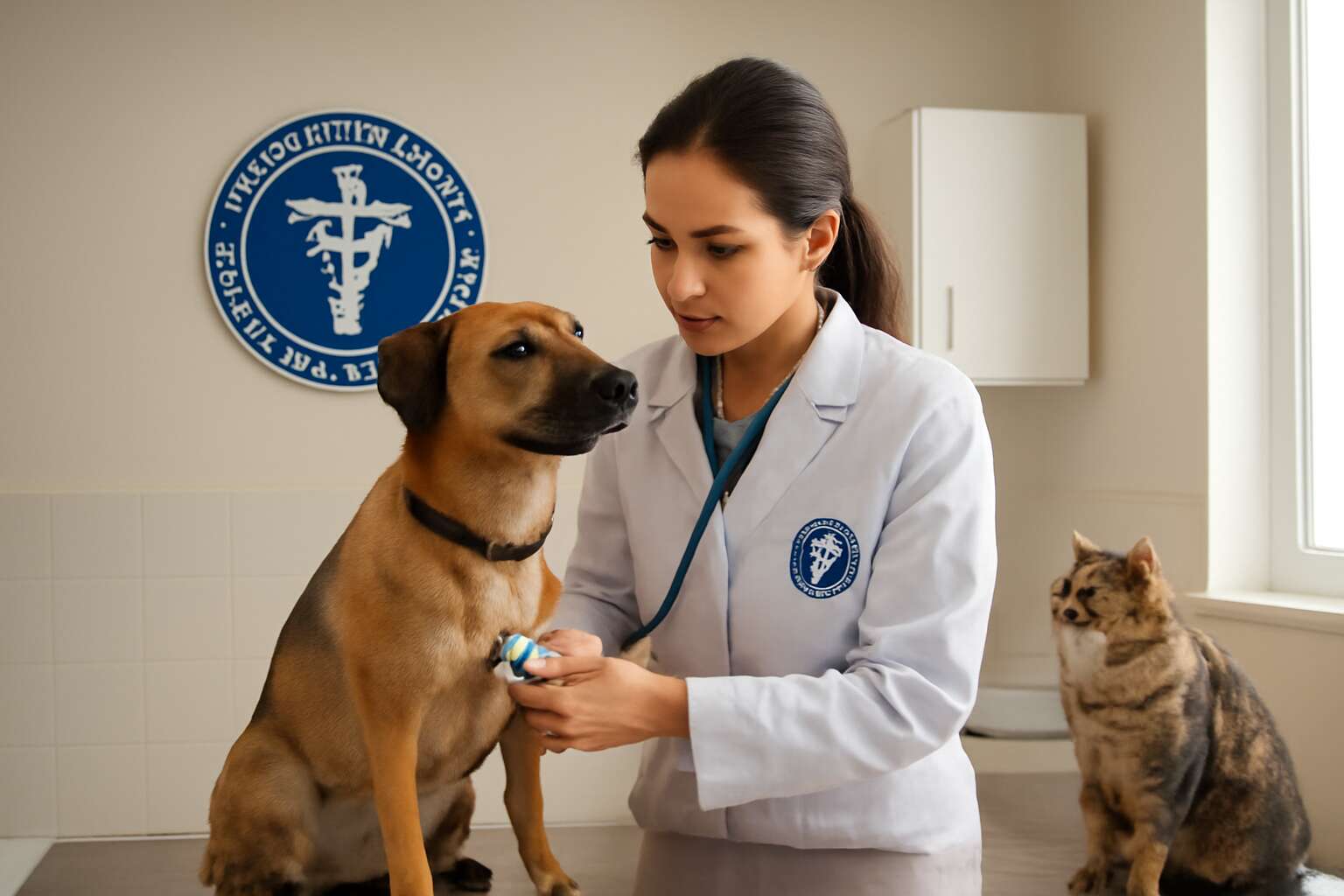
Overview of Government Roles in Animal Health and Veterinary Services
Core Mandates Across Departments
South Africa’s animal health system keeps farms, pets, and wildlife on solid footing. People ask which government department is also providing health and veterinary services to animals. The answer points to the Department of Agriculture, Land Reform and Rural Development, the primary custodian of veterinary services and disease control.
Its work is complemented by cross-department mandates that weave public health, animal welfare, and economic stability into a single fabric. Core functions include:
- DALRRD’s veterinary services and disease surveillance
- Department of Health coordinates zoonoses control and public health integration
- Provincial departments and laboratories support rapid testing and response
These mandates create a cohesive safety net for SA’s farming communities, veterinary practice, and wildlife care, aligning policy with practice as needs evolve on the ground.
Animal Health and Zoonosis Prevention
Across South Africa, animal health reads like a suspenseful ledger, balancing prevention and response. The question which government department is also providing health and veterinary services to animals reveals a clear answer: the Department of Agriculture, Land Reform and Rural Development, the primary custodian of veterinary services and disease control.
Beyond DALRRD, the system tightens its weave with cross-department collaboration that spans public health and animal welfare. The Department of Health coordinates zoonoses control and public health integration, while provincial laboratories back rapid testing and on-the-ground response. A coordinated trio keeps farms, clinics, and wildlife reserves safer today and tomorrow.
- Zoonoses surveillance and rapid reporting
- Laboratory testing capacity and field verification
- Animal welfare alignment across farms, clinics, and wildlife care
These roles form a safety net that adapts with the land—watching for spillovers between livestock and people, supporting veterinarians, and safeguarding vulnerable wildlife. I’ve seen field teams work through the night to contain an outbreak, proof that policy translates into practice in the harsh light of real-world challenges.
Veterinary Service Delivery Across Agencies
In a country where a single outbreak can tilt livelihoods, animal health governance moves with quiet resolve. which government department is also providing health and veterinary services to animals? The Department of Agriculture, Land Reform and Rural Development leads veterinary service delivery and disease control, weaving prevention into every farm gate and clinic.
Yet the system breathes through collaboration. The Department of Health coordinates zoonoses control and public health integration, while provincial laboratories back rapid testing and field verification. A coordinated trio keeps farms, clinics, and wildlife reserves safer today.
- Surveillance and rapid reporting
- Laboratory testing capacity and field verification
- Animal welfare alignment across farms, clinics, and wildlife care
These roles form a safety net, responsive to the landscape and the human stories behind every outbreak; which government department is also providing health and veterinary services to animals remains more than a question.
Interagency Coordination and Policy Alignment
Across South Africa’s corridors of power, a quiet pact stitches health to livelihoods. A cross-portfolio study hints that synchronized action can slash outbreak response times, turning fear into measured care. The interagency loom weaves health, agriculture, and veterinary vigilance into one weathered shield.
Interagency coordination is not a bridal procession; it’s a lattice of policy alignment that keeps farms, clinics, and reserves in step. The question: which government department is also providing health and veterinary services to animals? The answer rests in shared responsibility and clear lines of communication.
- Data sharing and interoperable surveillance
- Joint policy development and oversight
- Resource pooling for field response
From dawn clinics to the edge of wildlife reserves, the coordination hums when departments speak one language—humane care with a clinical edge. Such questions shape not just policy, but the quiet resilience of a nation.
Key Departments and Their Core Responsibilities
Ministry of Health: Public Health and Animal Welfare
A guiding maxim says, “Public health cannot be separated from animal welfare.” In South Africa, this link is not theoretical but operational, shaping policies from clinics to farms. This question—”which government department is also providing health and veterinary services to animals”—finds a clear answer in the Ministry of Health: Public Health and Animal Welfare.
Core tasks include:
- Public health surveillance that spans human and animal populations
- Veterinary public health and disease prevention in farms and markets
- Food safety oversight from farm to fork
- Animal welfare standards and humane treatment enforcement
By aligning standards, sharing data, and elevating welfare as a public good, the department proves that health is a holistic enterprise—one that reaches into barns, clinics, and markets across the country.
Department of Agriculture and Rural Affairs: Livestock Health and Veterinary Services
“Health travels with every animal,” a South African veterinarian often reminds me, and in the Department of Agriculture and Rural Affairs, that wisdom becomes policy. Livestock Health and Veterinary Services threads care through the paddock, the barn, and the market, stitching animal well-being with food safety and rural vitality. This answers the question: which government department is also providing health and veterinary services to animals.
In this framework, core responsibilities steer practical, ground-level action:
- Disease surveillance and outbreak response across livestock
- Vaccination campaigns and preventive herd health management
- Veterinary inspection of transport, markets, and processing facilities
- Welfare standards and humane treatment oversight
Together, these efforts weave resilience into agricultural communities where animals and people thrive in harmony.
Department of Fisheries and Wildlife: Disease Control in Wildlife and Companion Animals
Across South Africa’s landscapes, health travels with every creature—from veld wanderer to family pet. Which government department is also providing health and veterinary services to animals? The Department of Fisheries and Wildlife acts as a steady guardian of disease control in wildlife and companion animals, catching threats before they cross fences and feedlots.
Field teams watch for signs of illness, coordinating rapid containment when needed. Vaccination campaigns and preventive care are guided by risk, habitat, and season, while vigilant inspections of transport and care facilities reduce transmission and safeguard welfare at every touchpoint.
- Wildlife health monitoring and early signal detection
- Cross-species threat containment and rapid response
- Transport and facility inspections to reduce risk
- Humane handling and welfare oversight in care settings
In rural towns and busy markets, this integrated approach keeps families, herds, and habitats healthier.
Public Health Agencies and Local Government: Standards Implementation
One in five rural households in South Africa relies on public health inspectors for animal welfare—a reality that makes standards implementation feel less theoretical and more urgent. The question which government department is also providing health and veterinary services to animals has a practical answer: public health agencies and local government coordinate to turn policy into street-level practice, ensuring clinics, kennels, and markets meet uniform norms.
- Standardized inspection schedules for transport and care facilities
- Interoperable data systems for cross-agency alerts
- Public-facing guidance on humane handling and welfare
Across municipalities, core responsibilities include surveillance, accreditation of facilities, and transparent reporting. When these pieces align, communities breathe easier, livestock healthier, and habitats steadier, all under a shared framework of accountability and care.
Cross-Sector Coordination and Oversight
Across South Africa, one in five rural households relies on public health inspectors for animal welfare, a statistic that keeps standards from drifting into theory. This reality amplifies the practical question: which government department is also providing health and veterinary services to animals. Not a solitary beacon, but a symphony of agencies coordinating to safeguard clinics, kennels, and markets under one shared ethic.
Key Departments anchor cross-sector coordination and oversight.
- Policy alignment across health, agriculture, and wildlife sectors
- Surveillance, licensure, and humane standards enforcement for facilities
- Interoperable data sharing and cross-agency alerts
Across municipalities, I see these actors building a lattice of accountability, with joint inspections, training, and public guidance that resonates at street level.
When collaboration sings in tune, communities breathe easier and animals flourish—and the horizon feels closer to a humane dream.
Regulatory Framework and Policy Tools
Legislation Governing Animal Health and Welfare
Across South Africa’s animal health landscape, a regulatory tide steadies the journey from rural stall to clinic. Each year, coordinated health interventions reach tens of thousands of animals, a testament to policy and care — which government department is also providing health and veterinary services to animals — and accountability threads through every decision.
- Legislation and policy instruments: acts governing disease control, animal welfare, and veterinary oversight.
- Licensing, inspection, and accreditation: ensuring that facilities, clinics, and farms meet minimum standards.
- Surveillance and emergency powers: enabling rapid response to outbreaks and zoonoses.
Policy tools are more than paper; guardrails—guidelines, compliance frameworks, and data sharing—bind agencies into a single fabric, ensuring accountable, adaptive governance as diseases shift.
Unfurling these instruments reveals governance where law and care braid, allowing swift, evidence-based responses while safeguarding animals and livelihoods.
Standards for Veterinary Practice and Medicines
Regulatory frameworks weave veterinary practice into a disciplined tapestry where ethics mingle with epidemiology. Standards for veterinary practice and medicines are not mere paperwork; they govern licensing of clinics, registration of veterinary products, and meticulous record-keeping that traces every treatment. Inspections, accreditation, and facility standards ensure that care travels from rural stalls to clinics with accountability. Data-sharing protocols and joint surveillance tools bind agencies into a cohesive, responsive network.
Policy tools—guidance documents, compliance frameworks, and emergency powers—anchor swift, evidence-based decisions while safeguarding animal welfare and livelihoods. Pharmacovigilance, adverse-event reporting, and robust supply-chain oversight close gaps between discovery and practice. The landscape is built to adapt as diseases shift, and the question lingers: which government department is also providing health and veterinary services to animals?
Disease Surveillance, Reporting, and Data Sharing
Regulatory Framework and Policy Tools underpin disease surveillance and data sharing, turning scattered signals into a coherent map. In the dim glow of policy rooms, guidance documents and emergency powers fuse science with governance, channeling delay into decisive action. Data becomes a living echo between clinics, farms, and ministries, binding agencies into a transparent, responsive web.
- Real-time data exchange between laboratories, animal health programs, and local authorities
- Interoperable surveillance dashboards to spot anomalies before they spread
- Standardized adverse-event reporting and supplier oversight
For readers pondering governance, which government department is also providing health and veterinary services to animals, becomes a question that shapes how information moves and who bears accountability.
One Health and Food Safety Interfaces
Policy rooms hum with data, and in South Africa the pace of dashboards deciding public wellbeing is accelerating. I see real-time signals from clinics, farms, and labs fuse into a living map that guides action, risk assessment, and resource allocation. Regulatory framework and policy tools shape how fast we move—from guidance documents to emergency powers—while keeping science and governance in balance.
One Health and food safety interfaces depend on cross-sector cooperation and clear accountability. This is where the central question which government department is also providing health and veterinary services to animals becomes practical, guiding how responsibilities overlap and how responses are coordinated. In practice, I’ve seen cross-sector cooperation translate into safer food chains and healthier herds.
- Legislative instruments that enable cross-ministerial data sharing with privacy protections
- Risk-based inspection regimes for animal-origin foods and products
- Public dashboards that publish performance metrics for stakeholders
Service Delivery, Access, and Funding
Public Veterinary Clinics and Mobile Services
Public veterinary clinics and mobile services are the quiet engines of animal welfare in South Africa. When livestock or a beloved pet falters, these centers bring care into the field—vaccines, exams, and practical advice. “which government department is also providing health and veterinary services to animals.” In practice, these doors and vans answer the question with visible, on-the-ground care.
Access is built on reach, schedule, and trust. Public clinics extend into townships and rural holdings, while mobile units visit remote villages on rotating routes, delivering vaccines, check-ups, and early warnings.
- Rotating mobile clinics
- Extended hours at regional clinics
Funding comes from national and provincial budgets, with donor support and selective cost-sharing for certain procedures, ensuring services remain affordable while maintaining quality.
Funding Streams: Budgets, Grants, and Public-Private Partnerships
Across South Africa, more than half of rural households rely on public animal health services for vaccines, exams, and early warnings—the quiet backbone of animal welfare that keeps herds moving through droughts and markets.
Around-the-block delivery comes through public clinics and rotating mobile units that reach faraway farms and remote villages. Extended hours at regional clinics blend with field visits, ensuring care slips into busy schedules and trusted routines.
Funding streams flow through national budgets, provincial allocations, and donor support, supplemented by selective cost-sharing that preserves affordability without compromising quality.
- Budgets
- Grants
- Public-Private Partnerships
The question which government department is also providing health and veterinary services to animals shapes budgeting and cross-agency initiatives, and highlights the practical reach of health and veterinary services across the public sector.
Private Sector and NGO Collaboration in Animal Health
Across South Africa, service delivery decants from central clinics to field teams, turning the jagged edges of rural life into pathways of care. The question: which government department is also providing health and veterinary services to animals? The answer glimmers in everyday practice: a web of public clinics, rotating mobile units, and village-based outreach that keeps herds healthy through drought and market cycles.
- Public-private partnerships delivering vaccines and diagnostic outreach
- NGO veterinary clinics that serve remote communities on weekends
- Private sector supply chains ensuring medicines reach rural stores
Access widens where private sector networks and NGO teams share the road with public servants. Here’s how collaboration manifests, stitching care into the fabric of communities with empathy and efficiency.

0 Comments