
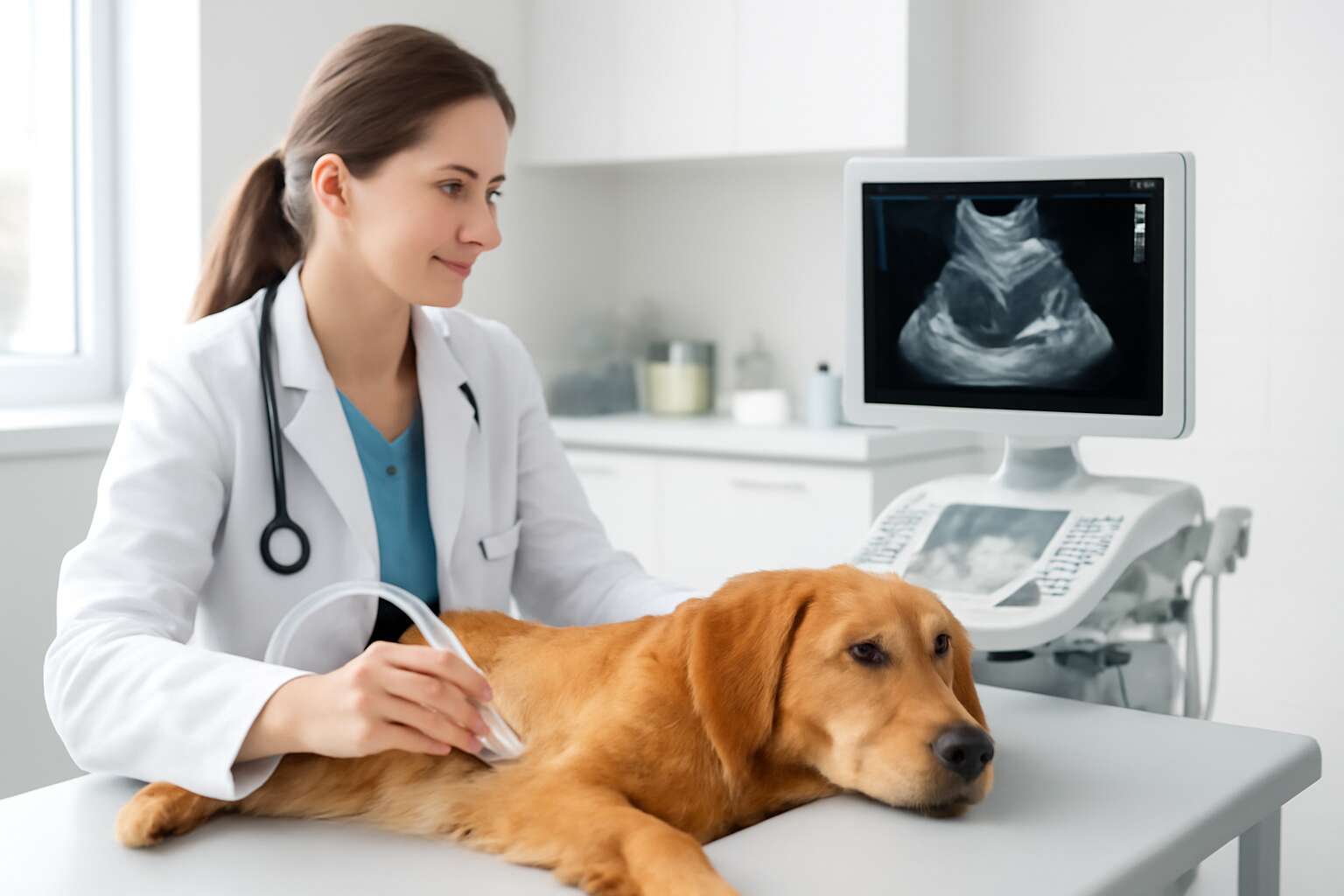
On-site Ultrasound Benefits in a Veterinary Clinic
What on-site ultrasound means for your pet’s care
In a bustling veterinary setting, 30% faster diagnoses can redefine a pet’s story. A vet clinic with ultrasound turns an anxious wait into clarity, offering real-time glimpses inside the body and guiding treatment with elegant precision!
On-site ultrasound means your animal companion receives near-instant insights during the same visit. Heart, abdomen, or pregnancy checks unfold in minutes, reducing the need for referrals and making every moment more compassionate and confident for owners in South Africa.
The cadence of care shifts when scans happen on site; what used to require scheduling becomes a same-day narrative.
Here are the tangible benefits to expect:
- Real-time imaging without a trip to a distant lab
- Faster decisions on treatment plans
- Less stress for anxious pets and relieved owners
- Better monitoring of evolving conditions
With this technology, care becomes more than procedure; it is a promise.
Differences between ultrasound and other imaging modalities in a veterinary setting
A single crisp image can steer a pet’s fate in minutes, not days. In a vet clinic with ultrasound, real-time views illuminate the organ landscape, guiding treatment with confidence and warmth—perfect for South Africa’s diverse veterinary needs.
- Real-time, dynamic assessment of motion and blood flow
- No ionising radiation, safer for repeated studies
- Better soft-tissue contrast for abdomen, heart, and reproductive organs
- Portable and fast, often performed in the consult room or kennel
These capabilities translate into fewer trips to distant labs, less stress for nervous pets, and sharper monitoring of evolving conditions. In a vet clinic with ultrasound, clinicians read the echoes in the moment, tailoring care as it unfolds.
Pet safety and anesthesia considerations during ultrasound exams
On-site ultrasound is a seam in the fabric of compassionate care. In South Africa, a vet clinic with ultrasound delivers instantaneous insights without the chaos of transporting a frightened animal to another building. Real-time imaging lets us confirm diagnoses, track improvements, and adjust treatment in the moment—often while the pet remains with familiar smells and voices. The safety profile is notable: no ionising radiation, minimal handling, and fast results that cut down exposure to anxious environments. It’s not magic; it’s meticulous, humane practice.
We prioritise pet safety and carefully manage anesthesia during ultrasound exams. When sedation is necessary, it is chosen with the smallest risk, with monitoring constant to catch any drift in vital signs before it matters.
- Gentle restraint and a calm, low-stress environment
- Minimal or no sedation whenever possible, with monitoring
- Warm gel, comfortable positioning, and rapid, probe-friendly sessions
- Vigilant monitoring of heart rate, oxygen saturation, and temperature
Typical conditions diagnosed with veterinary ultrasound
“Real-time imaging, real-life relief,” echoes through South Africa’s bustling clinics as on-site ultrasound shortens the distance between worry and diagnosis. In a vet clinic with ultrasound, pets stay in familiar voices and scents while clinicians verify conditions in minutes rather than hours.
The benefits unfold in several practical ways:
- Calm handling and familiar surroundings cut anxiety for pets and their people
- On-site imaging delivers quick answers, often avoiding the need for anesthesia
- Comfort-focused technique—warm gel, proper positioning, and rapid scanning
Owners appreciate the clarity of findings expressed in plain terms, enabling cooperation and confidence at every step.
Common Ultrasound Procedures Offered at Modern Veterinary Clinics
Abdominal ultrasound: organs evaluated and what owners should know
“The abdomen holds the story of a pet’s health,” a seasoned SA clinician says, and a vet clinic with ultrasound reads that story in real time. This non-invasive window into the tummy reveals hidden trouble with grace, guiding compassionate care.
During abdominal ultrasound, clinicians examine key organs to detect disease, stones, or fluid shifts. The organs typically evaluated include:
- Liver
- Spleen
- Kidneys
- Pancreas
- Bladder
- Intestines
- Adrenal glands
Owners should know the exam is painless and often yields immediate findings. The radiologist explains the images and how they inform care. A vet clinic with ultrasound offers clarity without surgery, though mild sedation may be used for anxious animals.
For families across SA, this technology embodies modern care and the quiet dignity of long-term companionship.
Cardiac ultrasound and echocardiography in pets
In the glow of ultrasound screens, a pet’s heart reveals its tempo. A vet clinic with ultrasound offers cardiac ultrasound and echocardiography that non-invasively map chamber size, valve motion, and blood flow, catching trouble before it sighs into symptoms. In South Africa clinics, this quiet examination guides swift, compassionate decisions for cherished companions.
Common cardiac assessments include:
- 2D echocardiography to visualize chambers and motion
- M-mode for precise chamber dimensions
- Doppler techniques to assess blood flow and valve function
- Color Doppler and tissue Doppler for velocity and tissue movement
These techniques aid in detecting murmurs, congenital defects, valve diseases, and dilated chambers early, guiding treatment plans that may avoid invasive procedures. Gentle sedation may be used to secure steady images for anxious pets, keeping care and trust in balance.
Musculoskeletal ultrasound for joints and soft tissues
Musculoskeletal ultrasound turns a murky lameness into a readable map of joints, tendons, and soft tissues. In a vet clinic with ultrasound, high-frequency probes sweep shoulders, knees, and paws to reveal tears, tendinopathies, and subtle swelling without touching the patient with a scalpel. Quick, dynamic imaging helps distinguish sprains from structural damage, often in a single visit. It’s gentle on anxious pets and pairs well with light sedation when needed.
Common applications include:
- Assessment of joints, tendons, and ligaments for tears, strains, and instability
- Detection of muscle injuries and soft tissue swelling
- Identification of foreign bodies, cysts, or masses near joints
- Guidance for aspirations, injections, and therapeutic procedures
- Monitoring healing after injury or surgery
Used across South Africa, this non-invasive approach supports quicker, more precise treatment plans that keep pets comfortable while owners regain peace of mind.
Ultrasound-guided procedures: biopsies, drain placements, and injections
In a vet clinic with ultrasound, precision guides every procedure. Modern setups let clinicians target tissue with confidence, offering faster diagnoses and gentler care. Ultrasound-guided therapies shorten needle passes and reduce stress for anxious pets.
Common ultrasound-guided procedures include:
- Biopsies: targeted sampling of suspicious tissue with real-time visualization
- Drain placements: safe fluid evacuation for abscesses or cysts
- Injections: precise delivery of medications into joints or soft tissues
These techniques minimise trauma, shorten anaesthesia times, and improve outcomes for pets across South Africa in clinics that blend science and care.
Prenatal and reproductive ultrasound in veterinary medicine
In a vet clinic with ultrasound, the difference between guesswork and certainty is measured in minutes. Prenatal ultrasound now confirms pregnancy in more than 90% of suspected cases within the first trimester, turning anxious waiting into informed planning and timely care.
Common prenatal and reproductive ultrasound procedures offered at modern veterinary clinics include:
- Pregnancy confirmation, viability checks, and gestational age estimation
- Fetal development monitoring and placental health assessment
- Breeding management support: ovarian follicle evaluation and timing of mating
- Reproductive investigations: evaluation of uterine conditions and detection of anomalies
These assessments guide decisions, from timing breeding to early detection of complications, keeping pets and their people calmer and better informed.
Clinical Benefits and Patient Care with Veterinary Ultrasound
How ultrasound improves diagnosis of GI, liver, kidney, and bladder issues
In a vet clinic with ultrasound, real-time imaging turns uncertainty into actionable insight. From the GI tract to the bladder, crisp echoes reveal blockages, liver irregularities, kidney stones, and inflammatory changes, helping clinicians reach a diagnosis faster and tailor treatment precisely. The result is less anesthesia, shorter waits, and more comfortable care for pets and reassurance for their people.
Key clinical benefits include:
- Real-time visualization of GI, liver, kidney, and bladder health
- Non-invasive monitoring reduces the need for repeated anesthesia
- Faster triage and clearer owner communication
For South Africa’s pet families, this approach elevates safety and clarity in care during every visit to a vet clinic with ultrasound.
Ultrasound in emergency and critical care: rapid assessment and triage
In emergencies, seconds count. Real-time ultrasound uncovers the unseen—bleeding, blockages, fluid in the chest or abdomen—so clinicians can act with purpose. A vet clinic with ultrasound becomes a fast-paced command center, turning uncertainty into a clear plan for stabilization and triage.
For patient care in critical moments, this technology speeds decision-making and enhances safety. Real-time echoes guide interventions, reduce delays, and improve communication with anxious families.
- Rapid triage to determine hospitalization or outpatient care
- Guided fluid and airway management without delay
- Clear, immediate updates to owners about prognosis
Across South Africa’s busy clinics, the ability to visualize the problem on the spot brings comfort and confidence when every heartbeat matters. This capability elevates emergency care, making fast, precise decisions a norm in the clinic.
Limitations and how veterinarians compensate with other diagnostics
Clinical benefits bloom when real-time ultrasound sits at the heart of patient care. In urgent moments, it sketches a living map—cardiac function, fluid in the chest or abdomen, and subtle bleeds—letting teams stabilise quickly and speak with clarity to anxious families. Yet ultrasound has limits: gas in the intestines, obesity, and challenging body habitus can hide problems, and operator skill matters. These gaps are bridged by complementary diagnostics.
- Laboratory tests and blood work to confirm organ function
- Conventional radiographs or CT when available for broader context
- Ultrasound-guided sampling and targeted follow-up imaging
In a vet clinic with ultrasound, clinicians blend scan data with lab results and radiographs to craft a full clinical picture. This approach speeds decision-making, supports safer interventions, and keeps owners informed without speculation. Across South Africa’s busy clinics, the synergy of modalities turns uncertainty into a deliberate, compassionate plan for every heartbeat.
Educating pet caregivers: what to expect before, during, and after the exam
In a vet clinic with ultrasound, the heartbeat becomes a living map—every ripple a clue, every measurement a decision. Care teams educate pet caregivers, translating the language of images into plain terms about what the scan can show and what it cannot. You’ll leave with a clear plan, knowing how the team will respond to changes and what to watch for at home.
- Before the exam: explanations about preparation, any fasting, and what to bring; comfort items help your pet feel safe.
- During the exam: the transducer hums softly as real-time images appear; clinicians share findings in simple language while you stay nearby.
- After the exam: a written plan, possible follow-up tests, and straightforward home care instructions are provided.
This approach makes care faster, more accurate, and kinder, turning uncertainty into a shared sense of hope.
Choosing the Right Veterinary Clinic That Offers Ultrasound
What to look for in equipment, certifications, and staff expertise
Choosing a vet clinic with ultrasound means you gain real-time insight into your pet’s health, without guesswork. A calm, trustworthy environment helps your companion relax as images come to life, telling a story the naked eye cannot see. The right clinic turns uncertainty into clarity when every heartbeat and hidden issue is mapped before your eyes.
- Equipment that includes high-resolution probes, Doppler capability, and regular calibration records.
- Certifications and protocols: radiology credentials, anesthesia safety standards, and documented maintenance logs.
- Staff expertise: veterinarians trained in ultrasonography, ongoing education, and access to board-certified radiologists.
- Operational readiness: on-site imaging, rapid access during emergencies, and clear imaging-to-diagnosis workflows.
When evaluating options, notice how imaging findings are explained in plain language and integrated with the overall care plan. A clinic that blends warmth with technical proficiency is likely to become a trusted partner in your pet’s long, healthy journey!
Cost considerations, payment options, and insurance compatibility
Clean bills of health are priceless, yet in South Africa many pet families carry price anxiety when an ultrasound is on the horizon. Choosing the right vet clinic with ultrasound means cost considerations are aligned with compassionate care. Look for upfront estimates, itemized invoices, and transparent notes about anesthesia, sedation, and any follow-up imaging that might be needed.
Consider price transparency, flexible payment options, and true insurance compatibility when you weigh choices.
Beyond numbers, consider payment options and insurance compatibility. A clinic that accepts local payment methods, offers plans or installments, and can work with pet insurers for pre-authorization and direct billing makes care more accessible. That balance—costs and care—defines a clinic with ultrasound.
Frequently asked questions about ultrasound services and scheduling
Across South Africa, a well-timed ultrasound can turn a knot of worry into a map of answers. Choosing the right vet clinic with ultrasound means care that is both precise and compassionate, delivered with transparency and calm.
- How long does an ultrasound appointment typically take?
- Will anesthesia be required for my pet?
- How soon are results shared and what follow-up steps might be needed?
Typical durations are 15–30 minutes; sedation is considered only for comfort, and findings are discussed during the visit.
In this balance of science and warmth, scheduling becomes part of the healing story.
Tips for preparing your pet for an ultrasound appointment
Across South Africa, a timely ultrasound can turn a knot of worry into a map of answers in hours, not days. In the right vet clinic with ultrasound, calm communication and clear results are part of the healing journey. This is where expertise meets empathy, creating a trustworthy space for you and your pet.
Choosing the right clinic means transparency, skilled hands, and equipment you can rely on. Look for on-site ultrasound, experienced technicians, and a team that explains findings in plain language during and after the appointment.
Preparation is guided by your clinic, but you can anticipate a smooth visit by sharing medical history and routines, and noting any comfort needs. Consider bringing records and keeping your pet’s usual environment familiar on exam day.
Location, availability, and ongoing care plans tied to ultrasound services
Across South Africa, a precise ultrasound can turn hours of worry into a clear path forward. A good clinic pairs location, access, and compassionate communication to calm anxious owners and illuminate the next steps.
Choosing the right clinic means location that spares stressful travel, reliable availability for appointments, and a team that explains findings in plain language. Consider on-site ultrasound, open scheduling, and consistent, trained staff.
- On-site ultrasound for same-day results
- Transparent scheduling and emergency slots
- Clear, compassionate follow-up plans
Ongoing care plans tied to ultrasound services at your vet clinic with ultrasound ensure continuity—from follow-up imaging when needed to referrals and integrated medical records that tell a coherent story of your pet’s health.


0 Comments