
Understanding the Rural Veterinary Landscape
Challenges and Demographics
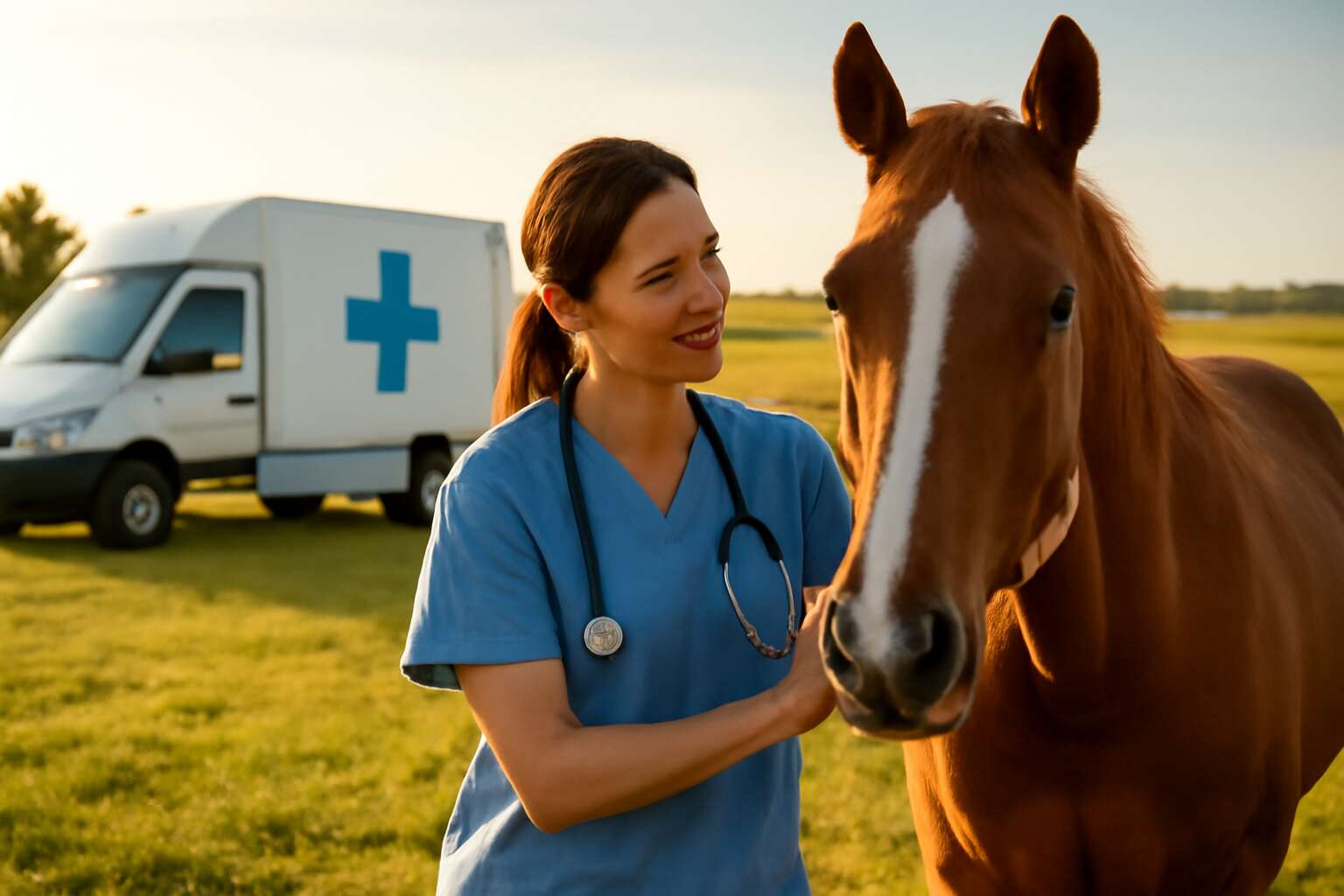
Across South Africa’s rural heartland, animal health travels farther than a clinic door—often on the back of a truck or wrapped in a farmer’s daily routine. In this landscape, up to half of essential veterinary care is delivered outside fixed clinics, meeting animals where they graze and rest. Understanding the rural terrain—the weathered fences, long roadways, and seasonal rhythms—helps explain why rural area veterinary services must blend mobility with steady trust. The goal is simple: care that feels local, familiar, and timely to every farmer and family animal.
Here are the realities shaping demand and outreach:
- Distance and seasonal travel make routine visits rare without mobile options
- Agricultural diversity means cows, sheep, goats, and poultry all require different care plans
- Limited funding and staff shortages challenge clinics in sparsely populated regions
- Seasonal disease risk and weather can spike needs suddenly, testing outreach capacity
Demographics reveal a tapestry of smallholders and mixed farms, where trust in a nearby veterinary partner matters as deeply as the vaccines themselves. For rural area veterinary services, success is measured not only by treatments but by the quiet confidence built between clinician, caretaker, and creature—across veld, dune, and town.
Accessibility and Transportation
In rural South Africa, veterinary care travels with the herd. Some field reports indicate up to 40% of essential care is delivered through mobile teams, not clinic doors. Accessibility hinges on road conditions, farm rhythms, and seasonal weather. The landscape of veld and village demands a service that moves with animals—care that arrives where animals graze, not where clinics stand. Care that travels with the herd makes the difference!
To map access, consider these mobility factors:
- Distance and travel cost
- Roads and vehicle readiness
- Cold chain and vaccine handling during transit
- Local trust and consistency of staff
These realities shape how rural area veterinary services arrive, on wheel or by hand, linking caretaker, clinician, and creature across vast spaces.
Rural vs Urban Veterinary Models
Across rural South Africa, mobile veterinary teams travel with the herd—care arriving where animals graze, not where clinics stand. In some districts, up to 40% of essential services are delivered outside fixed clinics, a testament to adaptability and urgency.
Urban models rely on predictable schedules and sterile rooms; that cadence feels distant to me. Rural care is measured in tracks, weather windows, and the cadence of grazing cycles. The difference isn’t just geography—it’s philosophy: clinics stay still, while veterinarians move with the animals.
This is how rural area veterinary services survive and thrive.
- Mobile readiness and cold-chain integrity
- Consistency of staff and local trust
- Road condition awareness and travel logistics
This rhythm defines the field—humane care in motion, and I sense that listening is the real treatment.
Public Health and One Health in Rural Areas
Rural area veterinary services in South Africa operate at the edge of dawn and dust. A single outbreak can ripple through a valley before the sun climbs. In rural districts, targeted vaccination can cut zoonotic risk by up to 60% when campaigns are run with communities. One Health isn’t a slogan here—it’s a living pact tying animal health to human well-being.
Public health thrives where listening becomes strategy. When veterinarians track herd movement, they read disease signals that could reach people through milk, meat, and water. For these services, One Health is a shared circuit binding farmers, health workers, and vets into a line of defense.
I’ve seen a well-timed vaccination change a village’s morning. The haunting truth is that humane care in motion depends on listening as much as medicine. Trust is built in the hush between steps, not in the shout of headlines.
Telemedicine and Mobile Clinics
Across South Africa’s rural plains, a quick touch of technology is reshaping veterinary reach. Telemedicine and mobile clinics cut the distance between a farm and expert care, slashing travel time by up to 40% and returning hours to the day. Rural area veterinary services are no longer tethered to a single clinic.
Telemedicine enables on-the-spot triage, image uploads of lameness or skin lesions, and follow-up advice without a lengthy car ride. Mobile clinics bring the veterinarian to communal spaces—schools, markets, kraals—creating consistent access where infrastructure is sparse and community trust grows through regular visits.
- On-farm auscultation and digital imaging shared in real time
- Remote triage with timely treatment plans
- On-site sample collection and prompt lab referrals
Core Services Offered by Rural Area Veterinary Practices
Preventive Care and Wellness Exams
In rural area veterinary services in South Africa, prevention isn’t an afterthought—it’s the whole plan. A single well-visit can avert costly emergencies and spare animals and their people a long journey to town! As a rural practice, we see how timely wellness checks translate into healthier herds, happier companions, and steadier livelihoods.
Core preventive care typically includes:
- Vaccinations for local risks and lifestyle
- Parasite control for dogs, cats, and livestock
- Dental care and nutrition counseling
- Senior and chronic disease wellness
Preventive care is tailored to the realities of rural area veterinary services—seasonal work, long drives, and the needs of our communities. We aim for wellness exams that fit busy lives, with clear follow-ups and practical advice you can act on today.
Surgical Services and Emergency Care
In rural area veterinary services, a timely surgical intervention can mean the difference between a thriving season and a costly setback. We handle everything from routine spays to urgent wound repair with calm efficiency, keeping you and your animals by our side every step of the way!
Our surgical work rests on careful anesthesia, constant monitoring, and clear post-op plans that suit busy rural life. Sterilization is meticulous, pain is managed, and aftercare is straightforward enough to implement on a working farm or homestead.
Surgical services offered include:
- Spay and neuter programs for pets and working stock
- Minor orthopedic repair and fracture stabilization
- Emergency and elective soft-tissue and abdominal surgery
In emergencies, on-site stabilization and rapid triage limit travel time, ensuring swift, decisive action when every minute matters. This is how clinics serving the countryside stay ready for the road and the weather alike.
Farm Animal Health and Herd Management
Across rural South Africa, a thriving herd is the farm’s heartbeat. Studies show up to 20% of losses on smallholder operations are preventable with timely health checks and targeted care. Our rural area veterinary services bring on-farm expertise to your doorstep, turning data into action and keeping stock productive year-round.
- Vaccination programs and disease surveillance
- Regular herd health visits and record keeping
- Breeding management and reproductive services, including AI
- Nutrition advice, parasite control, hoof care, and maternity support
We tailor plans to seasonal needs, weather, and your daily routine. On-site support, record-keeping, and proactive monitoring help you steer your herd toward health and productivity.
Reproductive Services and Breeding Support
Breeding cycles are the quiet pulse of every rural operation, and timing is everything—miss a window by a day and you lose a calf and a season. In rural area veterinary services, reproductive care is precision medicine for the herd: pregnancy checks, timely artificial insemination, and careful sire selection that keeps calving seasons steady and profits intact.
Here are the core services that drive breeding success:
- Heat detection and estrus monitoring
- Artificial insemination and semen management
- Pregnancy diagnosis and early gestation tracking
- Breeding records, genetics planning, and AI scheduling
On-farm visits turn data into action, aligning with nutrition, pasturing, and daily routines. Reproductive plans are tailored to seasonal cycles and herd goals, with meticulous record-keeping that forecasts births and strengthens the bottom line.
Diagnostics and Laboratory Capabilities
In rural area veterinary services across South Africa, fast diagnostics are the hinge of herd health. A farmer once told me, “A fast test today beats a wasted season tomorrow.” The truth lands in every clinic, on every gate.
Diagnostics and laboratory capabilities span on-site rapid tests, hematology and biochemistry panels, parasite screens, and reproductive checks. We send full samples to trusted reference labs when needed, keeping turnaround short and results reliable. PCR, culture, and sensitivity help target treatments and curb resistance.
- On-site rapid tests and field-ready panels
- Hematology, biochemistry, serology, and parasitology panels
- PCR testing and culture for infectious diseases
Clear reporting and integrated data turn numbers into action. Diagnostics support nutrition plans, grazing decisions, vaccination timing, and disease surveillance—keeping herds steady and returns predictable!
Mobile Vet Clinics, Telemedicine, and Outreach
Mobile Units and Home-Visit Vet Services
South Africa’s rural tapestry means pet care travels with the people. Mobile Vet Clinics roll into farms and small towns on sun-warmed wheels, turning distant homesteads into accessible clinics and letting wagging tails skip unnecessary trips.
Telemedicine is the quiet coup of rural care, letting vets triage, advise, and arrange follow-ups without long gravel-road pilgrimages, while owners juggle chores and pet duties from a laptop or phone!
Outreach Mobile Units partner with communities to host vaccination days and herd-health talks, while Home-Visit Vet Services bring care to seniors and shy pets. Together, they stitch rural area veterinary services that reach beyond clinics.
Telehealth and Remote Consultations
Across South Africa’s rural heartlands, mobile vet clinics roll in with the rising sun, turning distant homesteads into accessible clinics and letting wagging tails skip unnecessary trips. In my rounds, I’ve watched care arrive on wheels and become a lifeline in rural area veterinary services.
Telemedicine becomes the quiet coup: triage, advice, and follow-ups via laptop or phone, preserving the rhythm of daily chores. I’ve seen screens turn a kitchen into a consult room, delivering timely guidance while the gravel road stays calm.
- Real-time triage and care plans
- Remote monitoring, reminders, and records
- Follow-up scheduling that respects farmers’ timetables
Outreach Telehealth and Remote Consultations stitch in the community—vaccination days, herd-health talks, and home visits that dignify seniors and shy pets. Together with mobile care, they form a tapestry of rural area veterinary services, intimate as a porch conversation and wide as the horizon.
Community Partnerships and Farm Calls
“Care travels faster than cows on a dusty road,” a veteran SA vet likes to say. As dawn breaks, mobile vet clinics roll in, turning distant homesteads into clinics and letting wagging tails skip long trips. In the rural heartlands, rural area veterinary services arrive with quiet efficiency, stitching health into the rhythm of farm life.
Telemedicine becomes the quiet coup: triage, advice, and follow-ups via laptop or phone, preserving the rhythm of daily chores. Real-time triage, remote monitoring, and timely reminders stitch care into the farm day.
- Real-time triage and care plans
- Remote monitoring, reminders, and records
- Follow-up scheduling that respects farmers’ timetables
These threads keep rural area veterinary services accessible even on the longest gravel road.
Outreach days—vaccinations, herd-health talks, and farm calls—tie farmers and families into a larger network. With mobile care, the horizon of rural area veterinary services feels intimate and expansive.
Emergency Response in Rural Communities
Care travels faster than cows on a dusty road—it’s a line I hear echoed across South Africa’s rural heartland, and it still stings with truth. In rural area veterinary services, mobile vet clinics roll into hamlets, turning remote homesteads into clinics and letting wagging tails skip long trips. The horizon tightens when care arrives on wheels, and the burden of distance lightens for every farmer watching a newborn or a limping ewe.
Key offerings include:
- Vaccinations and herd-health checks on the move
- On-site diagnostics and rapid testing
- Emergency triage and stabilization
Telemedicine stitches connections between farm and clinic—triage, advice, and follow-ups via laptop or phone—while real-time monitoring and reminders keep routines intact in the busy season. Outreach Emergency Response expands the safety net, with crews on standby to reach farms after storms or during drought, coordinating with local partners to protect livelihoods on rough gravel roads.
Choosing and Supporting Rural Vets: Tips for Pet Owners and Farmers
How to Find a Rural Vet: Resources and Networks
On rural farms and homesteads across SA, a vet isn’t a luxury—it’s an essential partner who shows up when hay bales are high and calving is stressful. A recent survey hints that half of rural pet owners travel over 40 minutes to reach a veterinarian; your choice should shorten that horizon. Choosing the right partner means dependable hours, transparent pricing, and a clinic that speaks your language—rural area veterinary services that fit your schedule.
Here are practical steps to choose and support them:
- Ask about after-hours coverage and emergency transport options
- Inquire about preventive care packages tailored to farm animals and family pets
- Request farm visits or mobile clinics for large animals
- Ask for reliable record-keeping and clear travel planning during busy seasons
Once you pick them, support with referrals, timely payments, and honest feedback. Build a relationship by sharing farm plans and seasonal needs, from vaccinations to hoof care.
Scheduling, Accessibility, and After-Hours Care
Across SA, half of rural pet owners travel more than 40 minutes to a vet. That distance tightens the moment you pair with a clinician who shows up for early-morning checks and late-night calvings—a partner who speaks your farm’s language. In the world of rural area veterinary services, timing isn’t an afterthought; it shapes outcomes!
As you vet candidates, I’ve learned that scheduling flexibility, predictable travel plans, and after-hours readiness that fits a busy season really matter. Ask about farm visits for large animals and how records are kept—clear, consistent, and accessible when you need them.
- After-hours coverage and emergency transport options
- Farm visits or mobile clinics for large animals
- Reliable record-keeping and transparent pricing
Once you’ve found them, nurture the bond with referrals, prompt payment, and honest feedback. Sharing upcoming plans—vaccinations, hoof care, and seasonal needs—turns routine care into a coordinated promise that sustains the herd and the home.
Payment Options and Financing for Rural Clients
On South Africa’s sunlit veld, choosing the right rural vet feels like selecting a steadfast guardian of the herd. Across SA, half of rural pet owners travel more than 40 minutes to a vet, and yet a clinician who arrives before dawn and speaks your farm’s language can transform a crisis into calm. This is the heartbeat of rural area veterinary services—a blend of timing, trust, and shared purpose that keeps your animals thriving through seasons.
Choosing and Supporting Rural Vets means seeking a partner who stays where it matters. Look for scheduling flexibility, predictable travel plans, and farm visits for large animals. Clarify how records are kept—clear, consistent, and accessible when you need them—so a late-night calving or a busy lambing season doesn’t derail care.
Payment Options and Financing for Rural Clients: practical ways to keep care affordable through harvests and droughts. Consider these options:
- Cash or EFT on the day
- Credit or debit card payment
- Farm-account billing with monthly settlement
- Interest-free or low-interest payment plans
- Insurance for livestock care
Building Trust and Continuity of Care
Across SA, half of rural pet owners travel more than 40 minutes to a vet. In the early hours, a clinic that approaches your farm—speaking your language and anticipating your cycles—transforms crisis into calm. Those moments are the heartbeat of rural area veterinary services.
Choose a partner who stays where it matters. Look for scheduling flexibility, predictable travel plans, and farm visits for large animals. Clarify how records are kept—clear, consistent, and accessible when you need them—so a busy season doesn’t derail care.
Trust is earned through small gestures—regular check-ins, transparent communication, and a willingness to adapt to your herd’s tempo. I’ve learned that when you find that continuity, your animals thrive, and the farm’s quiet resilience becomes a daily measure of care.
Preventive Care Plans for Livestock and Pets
Choosing a partner for rural area veterinary services isn’t a checkout line decision; it’s a trust covenant written in hoofbeats and routine care. In South Africa’s expansive farmlands and tight-knit farmsteads, the best vets speak your language, anticipate your cycles, and keep quiet crises from turning loud.
- Scheduling flexibility that respects farm routines
- Predictable travel plans and the ability to make farm calls for large animals
- Clear, accessible records and concise after-visit summaries
Preventive care plans for livestock and pets should be collaborative, balancing vaccination schedules, parasite control, dental care for companion animals, and routine wellness exams. When care is coordinated, the herd and the home thrive together, and rural life remains resilient.
0 Comments