
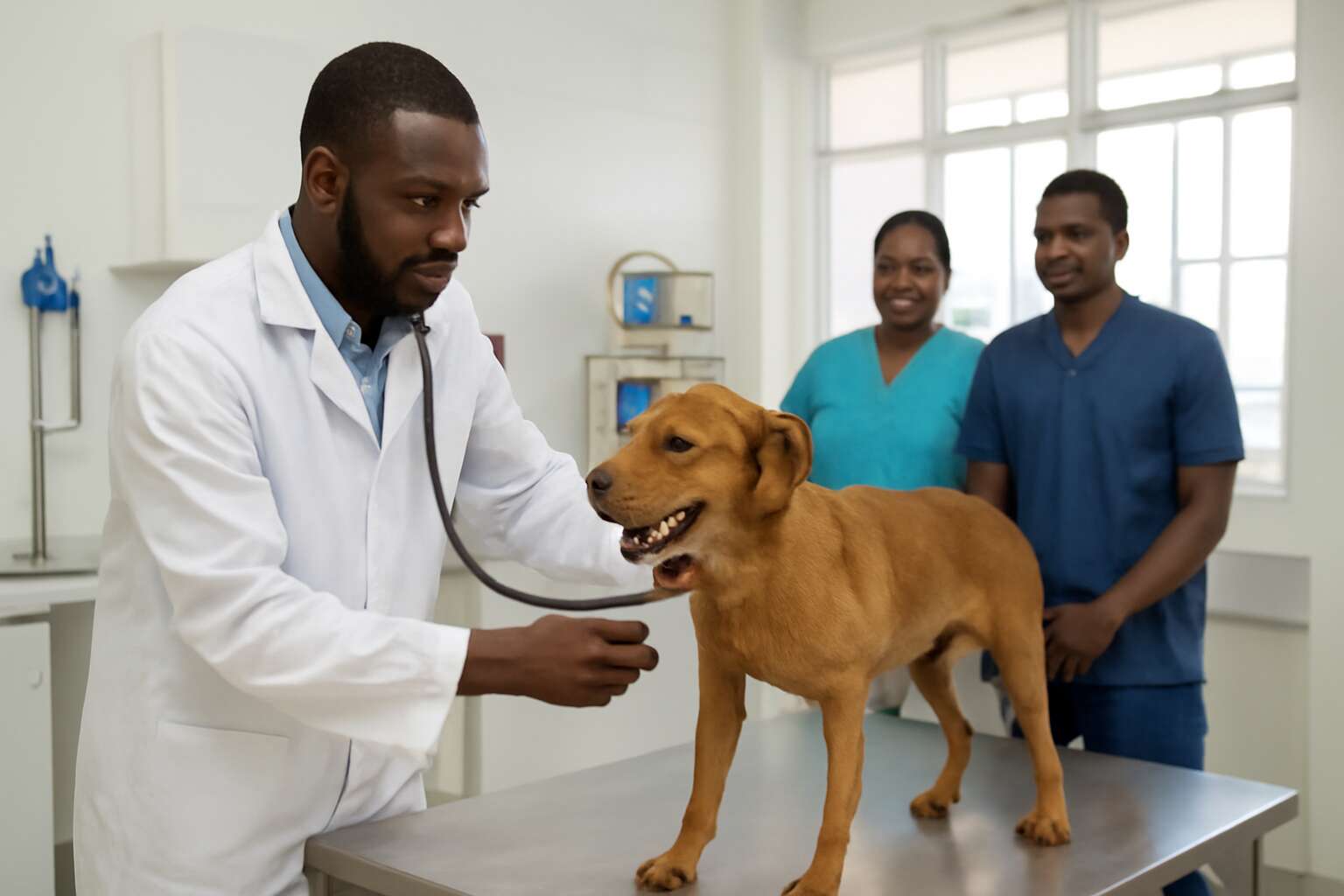
Overview of Veterinary Care in Ghana
Pet Wellness and Preventive Care in Ghana
Pet care in Ghana unfolds with a quiet but steady resolve. A recent glance at clinics reveals a simple truth: consistent wellness checks and vaccines help pets live longer, healthier lives. Within this evolving landscape, the veterinary services department ghana works behind the scenes to standardize care, uplift training, and expand access for families across urban hubs and remote towns alike.
- Vaccination schedules aligned with local disease risks
- Parasite prevention, deworming, and routine health screenings
- Nutritional guidance and dental care to protect long-term health
Preventive care in Ghana extends beyond the clinic walls through community outreach, mobile vaccination drives, and owner education that demystifies routine health needs. Regular reminders and accessible services empower families to maintain wellness year-round, turning small visits into a shield against emergencies. For readers in South Africa, the Ghanaian model offers practical lessons in proactive animal care and regional collaboration.
Livestock Health Programs and Farm Animal Care
“Healthy livestock is the heartbeat of a community,” a veteran Ghanaian vet reminds us. In bustling markets and quiet rural plots alike, veterinary services department ghana coordinates policy, training, and fieldwork to raise standards for farm animal care.
Across cattle, goats, poultry, and pigs, care hinges on robust livestock health programs: disease surveillance, targeted vaccination campaigns, and farm-level biosecurity coaching. The emphasis is practical, not pompous—skills travel with extension workers, not just manuals.
- Mobile vaccination drives that reach remote communities
- Disease reporting and rapid response networks on farms
- Farmer education on nutrition, housing, and welfare practices
This Ghanaian approach resonates with South Africa’s regional aspirations, underscoring the value of cross-border knowledge sharing and community-led animal health initiatives.
Common Veterinary Procedures and Services
Healthy herds, healthier households. “Health is wealth for every herd,” a veteran Ghanaian vet reminds us, and the data bear it out in bustling markets and quiet homesteads alike. This overview highlights practical veterinary care in Ghana—procedures and services that keep livestock productive and communities resilient within the veterinary services department ghana.
Common procedures and services include:
- Vaccination campaigns and routine immunizations
- Diagnostic testing and disease surveillance
- Parasite control and deworming programs
- Minor surgical procedures and emergency care
- Reproductive health services and fertility support
These offerings reach clinics, field teams, and mobile units, fostering trust between farmers and vets. The approach also invites cross-border learning with regional partners, including South Africa, strengthening community-led animal health initiatives.
Access to Veterinary Care Across Ghana
“Health is wealth for every herd,” a veteran Ghanaian vet reminds us, and gates swing wider when care travels to barns and markets. In Ghana, the veterinary services department ghana organizes clinics, field teams, and mobile units to keep livestock productive and communities resilient.
Access unfolds along three main channels—urban clinics, rural outreach, and on-the-spot mobile care—ensuring help arrives where it’s needed most.
- Urban clinics
- Rural field teams
- Mobile veterinary units
Regional collaboration, including South Africa as a partner, enriches disease surveillance and knowledge exchange, weaving local wisdom with broader veterinary science to sustain animal health initiatives that communities can own.
The human dimension remains central: trucks and exams are tools, but trust and shared purpose drive lasting impact.
Public and Private Veterinary Services in Ghana
Government Veterinary Departments and Public Health Initiatives
Across Ghana, the cadence of daily life is tuned by healthy herds and thriving farms—an unseen chorus powered by veterinary services department ghana. Public and private veterinarians harmonize to safeguard food safety, animal welfare, and rural livelihoods in ways that feel almost magical in their reach.
Public and private veterinary services in Ghana operate in tandem, extending reach from district offices to village clinics, each adding a layer of care and accountability.
- Zoonotic disease surveillance and rapid reporting
- Mobile veterinary units reaching remote communities
- Public education on animal welfare and safe food handling
Whether through government veterinary departments or agile private practices, public health initiatives prioritize safe food chains, early disease detection, and education—keeping both animals and communities in good health, and linking to the broader mission of the veterinary services department ghana, a model that resonates for South Africa.
Private Veterinary Clinics and Hospitals
“Healthy stock is national wealth,” a Ghanaian farmer once told me, and the sentiment frames every chalk-marked mile between village clinic and farmyard. In Ghana, public and private veterinarians walk in step, expanding care from district offices to remote farms, ensuring food safety, welfare, and resilience across the countryside. Private Veterinary Clinics and Hospitals bring specialized expertise, rapid response, and patient listening to communities that may never reach a large hospital. This is care with rhythm, not rhetoric, harmonizing two sectors under the banner of the veterinary services department ghana.
Key offerings unite in this collaborative network:
- Emergency veterinary care and ambulatory services
- Routine vaccines, parasite control, and reproductive services
- Diagnostic support, imaging, and laboratory access
Together, public and private care weave a safety net that keeps food chains intact and farmers hopeful. For South Africa, this cross-border model offers a blueprint for strengthening farm animal care and food safety through public-private collaboration.
Mobile Veterinary Services and Community Outreach
“Healthy stock is national wealth.” Those words echo as mobile clinics roll along dusty tracks, weaving the veterinary services department ghana into a single, responsive network. Across Ghana, mobile veterinary services and community outreach push care to the heart of farming households, turning distant farms into partners in animal health and food safety.
In this portable care model, veterinarians reach villages with limited access, offering on-site assessments and practical guidance that fits a farmer’s schedule. Community outreach becomes a living ladder—hands-on demonstrations, informal clinics, and collaborative farm visits that build confidence and resilience.
- Door-to-door consults and on-site treatment
- Community-led vaccination drives and parasite-control campaigns
- On-the-ground data collection that informs future public health planning
Public-private partnerships ensure speed, trust, and continuity, keeping disease risks low and markets stable as the seasons shift.
Supply Chains for Animal Health Products
In the shadowed corridors where commerce and care entwine, the veterinary services department ghana channels life into every shipment of animal health products. Public and private actors braid their fates, weaving a network that stiffens against scarcity and steadies the heartbeat of the farm. This quiet vigilance ensures medicines reach the doorstep with the same solemn precision as sunrise.
- Rigorous licensing and supplier verification
- Cold-chain integrity from warehouse to rural shop
- Transparent tracking and recall protocols
- Efficient distribution routes reaching remote communities
- Collaborative training for retailers and farmers
From warehouse shelves to the farmer’s gate, the supply chain exhales discipline and reliability. The unseen calculus of licenses, logistics, and quality checks keeps markets stable and animals healthier, even as seasons turn and markets shift.
Emergency Veterinary Care Availability and Response
In the hush before dawn, a statistic stirs the air: emergency veterinary care accessed within 24 hours can reduce livestock losses by up to 40%. Public and private guardians move as a shadowed chorus, their steps precise as a heartbeat, delivering care where fear once took root and shadows grew heavy on the barn doors.
Public and Private Veterinary Services in Ghana converge in a delicate, nocturnal ballet. Within this network, veterinary services department ghana coordinates clinics, mobile teams, and field veterinarians with a quiet authority, stitching together records and referrals so ailing cattle, goats, and poultry meet care without delay.
Consider the current emergency response framework:
- 24/7 hotlines and on-call veterinarians
- Mobile triage teams venturing to remote farms
- Public–private referral networks with shared digital records
- Rapid refrigeration and medicine access at rural depots
Health resilience rises from these whispers of action, a lattice that steadies the heartbeat of Ghana’s farms as night recedes.
Facility and Service Organization in Ghana
Clinic Layout and Essential Equipment
A clinic that runs like a well-oiled machine saves lives fast. In the veterinary services department ghana, facility layout is a care workflow, not a backdrop. A clear path from reception to treatment reduces stress for animals and people alike. A dedicated triage area, clean zones, and visible routes keep staff focused and clinics safer. When space is used well, exams, vaccinations, and minor procedures happen with confidence and speed. This matters to South African clinics seeking reliable partners.
- anesthesia machine with patient monitoring
- digital radiography and portable lab
- reliable cold chain for vaccines
Essential equipment anchors the layout and protects uptime. In Ghana, durable gear supports quick, accurate care even in busy seasons. All of this supports the veterinary services department ghana.
Referral Centers and Specialized Veterinary Hospitals
In Ghana’s referral centers and specialized veterinary hospitals, facility and service organization is not décor; it is a patient-first system. A clear, purpose-built flow—from reception through examination rooms, surgical suites, and recovery bays—reduces stress for animals and guardians alike. Efficient case management, cross-disciplinary teams, and scheduled handoffs keep complex cases moving smoothly within the veterinary services department ghana.
- Dedicated referral corridors that prevent cross-traffic and reduce noise
- Integrated units for surgery, anesthesia, radiology, and intensive care
- Real-time case tracking and multidisciplinary rounds
For South African clinics seeking reliable partners, this organization translates into predictable outcomes and streamlined referrals. The result is resilient care that adapts to busy seasons and emerging needs.
Mobile Units and Community Veterinary Programs
Facility and service organization across Ghana’s mobile units and community veterinary programs is designed to be invisible only to those who fear chaos. Teams choreograph routes, vaccines, and checkups into a single, patient-centered rhythm. South African clinics watching this model note how the cadence lowers stress for animals and guardians while expanding reach.
- On-site preventive care during village visits
- Vaccination drives and parasite control campaigns
- Digital record-keeping with real-time referrals
The pattern is deliberate, integrating transport, cold-chain management, and cross-disciplinary support into a seamless flow. It keeps the veterinary services department ghana viable even in remote districts, echoing resilience that inspires clinics across the region.
Animal Welfare Facilities and Quarantine Protocols
‘A disciplined facility is a humane facility,’ declares the guiding maxim of the veterinary services department ghana. When layout, supply chains, and staff choreography align, a busy day becomes a patient-centered rhythm rather than chaos. The result is calmer animals, steadier guardians, and clinic-wide resilience that travels from village visits to regional hubs.
- Strategic zoning to separate quarantine, treatment, and waiting areas
- Reliable cold-chain and waste management that protects animals and staff
- Integrated digital records that trigger real-time referrals
Facility and service organization in Ghana’s animal welfare network rests on transparent governance, biosecurity, and cross-disciplinary teams that weave care into every corridor. South African clinics watching this cadence note reduced stress for animals and guardians while the reach expands across districts.
Within the footprint of the veterinary services department ghana, ongoing optimization fuses humane design with auditable standards, turning every campus into a calm and capable hub of care.
Regulation, Policy, and Ethical Considerations in Ghana
Veterinary Licensing and Professional Standards
Regulation anchors Ghana’s animal health system, with the veterinary services department ghana setting licensure and professional standards that keep veterinarians honest and patients safe. A vigilant regulatory framework evolves alongside vaccination campaigns and trade controls, balancing public health with compassionate care.
Policy translates those rules into everyday practice. In Ghana, licensing bodies shape continuing education, facility inspections, and codes of conduct.
- Licensure renewal cycles and continuing education
- Facility accreditation and equipment standards
- Code of ethics and professional conduct
Ethical considerations remind us that trust is earned through transparency, animal welfare, and informed consent. In practice, licensing and professional standards foreground welfare-first decisions and accountability—attributes that resonate whether you practice in Accra or observe Ghana’s system from South Africa.
Animal Welfare Laws and Enforcement in Ghana
Regulation is the quiet backbone of trust. The veterinary services department ghana acts as the governance spine, aligning licensure, inspections, and public health with real-world care. When standards hold, animal welfare and client safety follow.
Policy translates rules into daily practice. Licensure renewal cycles and continuing education keep clinicians sharp; facility accreditation and equipment standards guarantee safe clinics; and a clear code of ethics guides every interaction.
- Licensing renewal cycles
- Facility accreditation
- Code of ethics and professional conduct
Ethical considerations remind us that transparency, welfare, and informed consent earn trust. In Ghana’s framework, regulation, policy, and enforcement prioritize welfare-first choices—principles that resonate from Accra to observers in South Africa under the veterinary services department ghana.
Biosecurity, Public Health, and One Health Initiatives
In a world where a single outbreak can ripple across continents, Regulation anchors trust. The veterinary services department ghana steers biosecurity, public health, and One Health initiatives with clear standards that keep animals and people safer.
Policy translates these standards into daily practice across laboratories, farms, and clinics.
- Clear data sharing to track zoonoses
- Transparent risk communication
- Cross-sector collaboration in health initiatives
Ethics center on welfare, consent, and transparency, guiding all decisions within the Ghana framework and beyond, echoing regional commitments that resonate with readers in South Africa as One Health collaborations expand.
Technology, Education, and Growth in the Ghanaian Veterinary Sector
Digital Health Records and Telemedicine Adoption
In the realm of animal care, data glows like starlight, and Ghana’s ledger is digital. Digital health records have slashed retrieval times by nearly 40% in pilot districts, freeing clinicians to focus on care. Within veterinary services department ghana, records march from dusty ledgers to cloud dashboards.
Technology is the loom behind this transformation, stitching clinics with cloud-based records, secure data sharing, and telemedicine platforms that connect rural farms to expert care.
- Cloud-based health records and secure data sharing
- Remote diagnostic consultations and teletriage
Education and training rise as a companion constellation. Veterinarians and para-professionals engage in continuous learning through online courses, simulation labs, and regional workshops, ensuring every county boasts capable hands and curious minds.
Growth follows from empowered teams and open skies; partnerships with universities and agencies, guided by One Health, broaden reach and modernize operations, a path South Africa’s practitioners will recognize across urban centers and countryside.
Continuing Education and Certification for Veterinarians
In the veterinary services department ghana, technology threads clinics with learning, turning paper trails into bright, searchable paths. Cloud-enabled platforms host modular courses, digital badges, and peer feedback, accelerating the journey from student to certified veterinarian while keeping patient care at the center of every decision.
Education and training rise as a companion constellation. Through online courses, simulation labs, and regional workshops, veterinarians and para-professionals sharpen skills close to home, earning credentials that travel with them across the country.
- Online courses and micro-credentials
- Simulation labs and virtual clinics
- Regional workshops and mentorship programs
Growth follows empowered teams and open skies; partnerships with universities and agencies, guided by One Health, broaden reach and modernize operations. This rhythm resonates with South Africa’s practitioners, as Ghana’s veterinary services department ghana expands capacity from urban centers to rural communities.
Diagnostic Innovations and Equipment Advancements
Technology reshapes diagnostics across Ghana’s clinics, turning farms into data hubs. Portable ultrasound, compact digital radiography, and point-of-care tests are expanding reach, while cloud platforms convert records into searchable insights. In the heart of this shift, veterinary services department ghana aligns its tools with patient care, ensuring image and result travels to the right clinician.
Education is the companion compass, turning equipment into patient-centered practice. Tech labs partner with field placements, and simulations sharpen decision-making without risking lives. Clinicians learn to interpret imaging, manage data streams, and troubleshoot equipment in rural settings—growing confidence as their credentials travel with them!
Growth is powered by partnerships and open skies; collaborations with universities, government bodies, and private clinics broaden access from urban hubs to remote communities across South Africa and Ghana. As diagnostic capacity expands, Ghana’s veterinary ecosystem evolves into a resilient network—one that supports farmers, protects animals, and safeguards public health.
Research Partnerships and Data Sharing in Animal Health
Technology threads the Ghanaian veterinary sector into a living data web. Cloud platforms and secure exchanges turn research partnerships into real-time decisions for clinicians. In this shift, the veterinary services department ghana ensures imaging and results reach the right clinician without delay!
- Open, interoperable data platforms
- Clear governance for shared datasets
- Cross-border collaborations with regional partners
Education remains the compass. Joint field placements, simulations, and practical labs convert theory into practice, sharpening diagnostic judgment and data literacy across South Africa and Ghana.
Growth blooms from partnerships and open skies. Universities, government bodies, and private clinics co-create curricula and dashboards that extend reach to rural clinics, strengthening the animal-health ecosystem and protecting public health. This aligns with the mission of the veterinary services department ghana to expand access and resilience.
0 Comments